How Deep Is The Antilla Wreck?
The Antilla wreck sits with its highest points about 15 feet below the surface and its hull down to about 60 feet, which is why snorkelers can see it from above and snorkelers see the wreck from the surface.
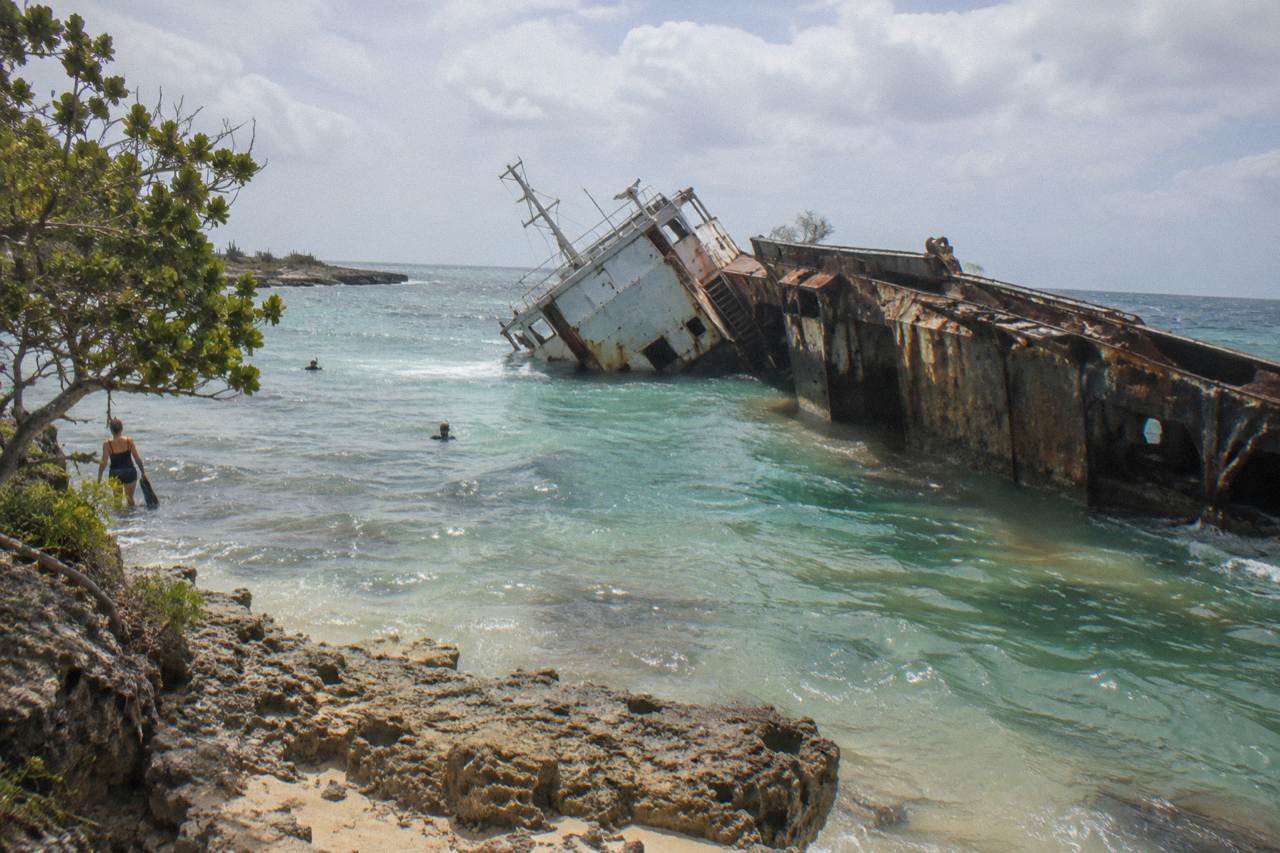
The Antilla is the wreck that shapes almost every snorkel itinerary on Aruba's northwest coast, and the reason is depth. A 398.3 ft German cargo ship lying on its side creates a structure that starts close to the surface and drops away toward the sand, so a snorkeler and a diver can visit the same site and see two completely different wrecks. The numbers below come with a caveat worth stating up front: published figures for the Antilla vary between sources, and the most commonly cited set, the one used here, comes from a single dedicated site and should be read as indicative rather than gospel.
The Antilla wreck runs from roughly 15 feet deep at its highest points, the bow and superstructure, to about 60 feet at the hull, resting on its port side across a flat sandy bottom. Sources differ on exact figures, so treat these as close approximations, but that range is why snorkelers can view the shallow sections from above while divers follow the structure down toward the sand.
The ship itself has a documented history that explains its position. The SS Antilla was a German Hamburg America Line cargo ship, scuttled by her own crew in January 1940 off Aruba after the Netherlands entered the war and the vessel was cornered while anchored with other German ships in Malmok Bay. The ship's details and wartime fate are documented separately, and the scuttling is why the wreck rests on its side rather than upright: a scuttled ship settles however the flooding takes it, and the Antilla heeled over onto her port side and stayed there.
Depth figures for wrecks always carry some fuzziness. Sand shifts, the structure settles slowly, and different writers measure from different points. The numbers quoted above come from the Antilla Shipwreck Aruba site, a resource devoted entirely to this one wreck. They are that site's figures rather than an independently confirmed range. Where neither the operator nor a listing's own description states a figure, no number is quoted here, so treat any exact figure you read elsewhere with a little caution.
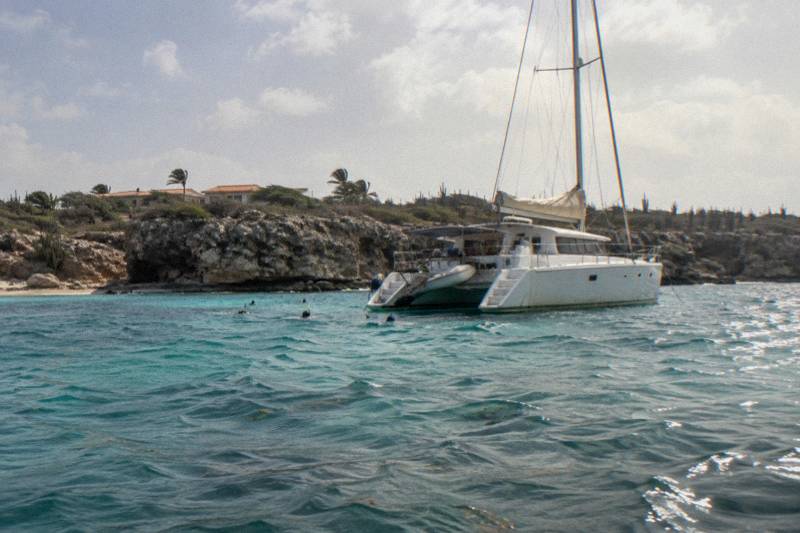
Several boat trips on the island include the Antilla as a stop, and the depth is the reason they can. The Red Sail Sports afternoon sail, a luxury catamaran trip from $79 per person rated 4.7 from 553 reviews, lists the Antilla and Boca Catalina as its two snorkel stops, with open bar and gear included over 3 hours. The Banana Adventure catamaran trip from Segway Aruba, from $65 per person and rated 4.8 from 231 reviews, pairs the Antilla with Tres Trapi and adds lunch and hotel pickup, both listed on its own line. Spronk Catamarans runs a longer 4 hours 30 minutes version combining the wreck with turtle stops and a sunset BBQ, from $119 per person. Whatever trip you pick, the story of the Caribbean's largest shipwreck explains why so many boats keep returning to this same spot off Aruba.
Can Snorkelers Actually See The Wreck?
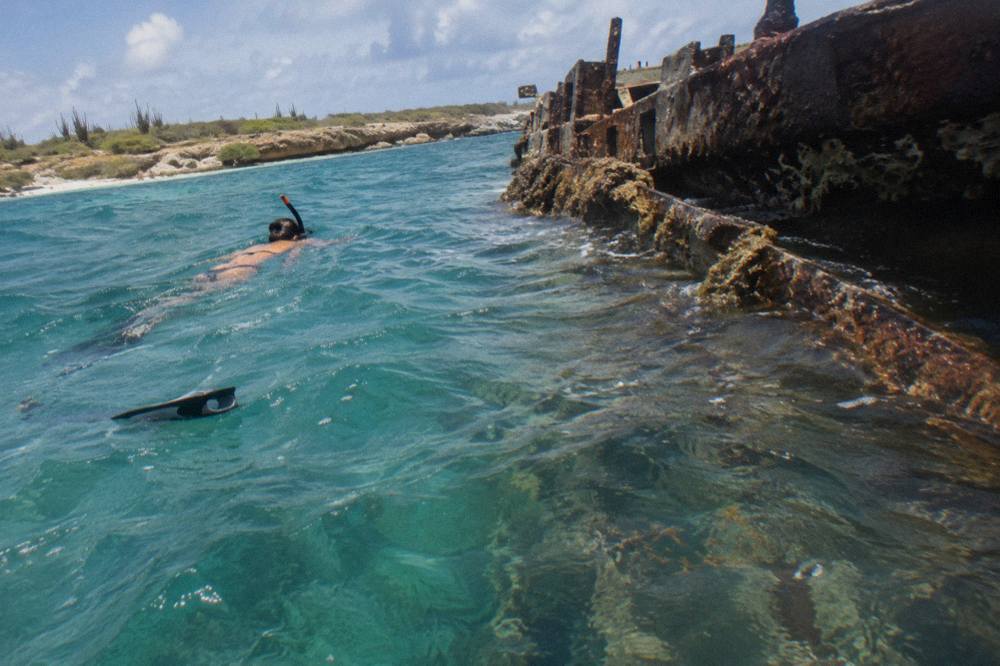
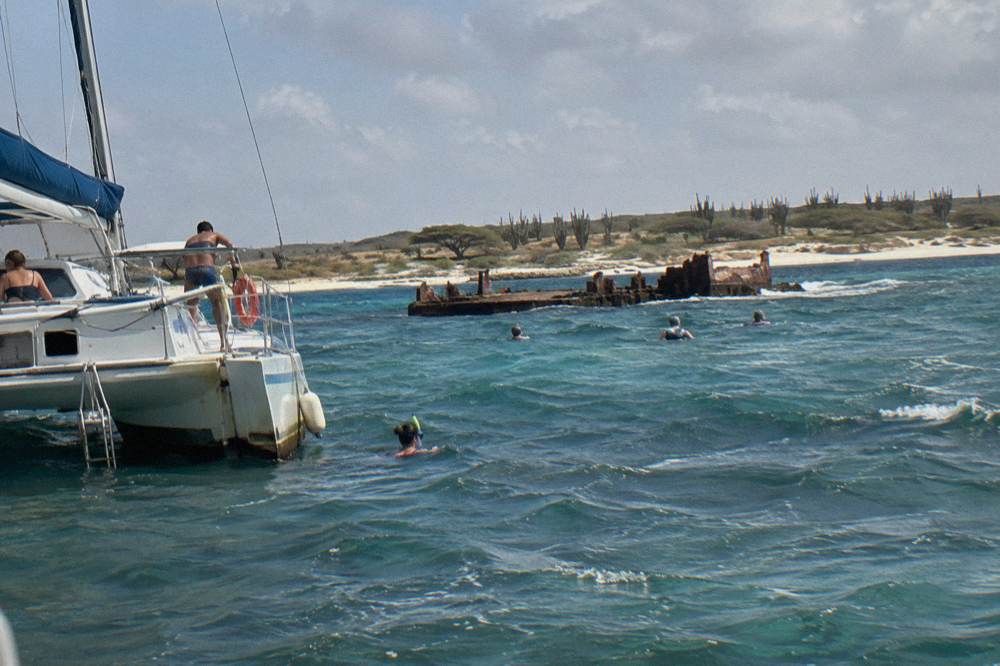
Yes, and that is the point of the depth profile. With the highest points roughly 15 feet down, a snorkeler floating on the surface looks directly down on the bow and superstructure sections without diving at all. Snorkeling is a surface activity: the mask sits at the waterline, the body hangs below, and everything visible is whatever light reaches from above. A wreck that starts 15 feet down sits comfortably inside that window.
The same source that gives the depth figures also reports typical visibility of 50 to 100 feet (15 to 30 m) at the site, best from March to August, with slightly reduced visibility December to February from wind and waves, and water temperatures of 79 to 85 F (26 to 29 C). Visibility numbers are single-source too, and they describe a range rather than a promise: any given day depends on wind, swell, and recent weather. The Aruba meteorological service publishes a marine forecast showing wind speed in knots, wave height by coast, and shower chances, and checking it the morning of a boat day is the practical way to know what conditions will look like. Protected south and west sections of the coast run calmer than north-facing ones, and the Antilla site sits off the sheltered northwest corner.
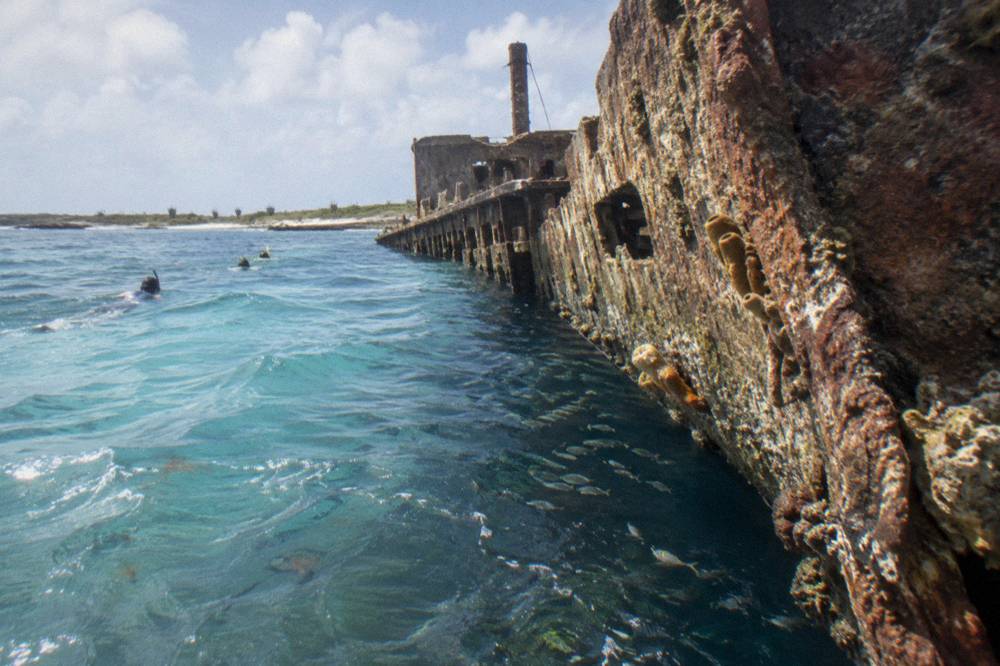
What a snorkeler sees from above is shape, shadow, and color: the long silhouette of the hull, the pale fuzz of coral growth on structures close to the surface, and fish working the edges of the steel. What a snorkeler does not see is the interior or the deepest sections near the sand, because free divers and snorkelers hold their breath, and the deeper parts of the hull sit beyond comfortable repeated breath-hold range for most people. That boundary between the snorkel view and the dive view is exactly the roughly 15 to 60 foot spread described above.
For readers weighing the two approaches against each other, the shore snorkeling versus boat tours comparison covers how boat access to the wreck differs from beach-entry sites, since the Antilla is not a swim-from-shore spot for a casual visitor: it lies off Malmok Bay and the practical route out is a tour boat.
Why Is The Wreck On Its Side?
The Antilla rests on its port side because of how it sank, not where. Scuttled by its crew in January 1940, the ship lies on its port side on the seabed, where it has stayed ever since. A side-lying wreck changes the depth math: one edge of the hull rides higher toward the surface, the other lies against the sand at the full depth.
That orientation is why the depth range is so wide for a single structure. On an upright wreck, the shallowest point is usually the deck or superstructure and the deepest is the keel, a fairly predictable ladder. On a side-lying wreck, the superstructure sprawls horizontally, which pushes more of the ship into the shallow band snorkelers can see, while the lower hull edge sits at the maximum depth. The roughly 15 foot shallow points quoted by the Antilla Shipwreck Aruba site are the parts of the bow and superstructure that ended up closest to the surface after the ship rolled.
The passage of time has softened the structure as well. The steel has rested on the seabed for more than eight decades, ever since the ship went down during World War Two. This site pairs naturally with the broader Antilla shipwreck snorkeling guide, which covers the site's history and tour options in more depth, and with the question of how the Antilla compares in size to other wrecks in the region, covered in which shipwreck is the largest in the Caribbean.
Which Tours Take You Over The Wreck?
The Antilla appears as a listed stop on multiple boat trips, and the tours covered here name it explicitly on several: the Red Sail afternoon sail, the Pelican morning champagne brunch trip, the Octopus afternoon catamaran, the Palm Pleasure morning sail, the Banana Adventure catamaran, the Delphi Watersports cruise, and the Spronk turtle trips. Vessels and durations differ, so the choice comes down to boat style, group size, and budget.
The table below pulls the covered listings that name the Antilla as a stop, with each line's own figures. Prices and ratings are as listed; nothing here ranks one trip above another, it simply shows what each offers.
| Tour (operator) | Price | Rating | Duration | Vessel | Max guests |
|---|---|---|---|---|---|
| Red Sail Afternoon, Antilla and Catalina (Red Sail Sports) | from $79 per person | 4.7 from 553 reviews | 3 hours | luxury catamaran | up to 75 |
| Pelican Morning Sail, Champagne Brunch (Pelican Aruba) | from $85 per person | 4.7 from 2,238 reviews | 4 hours | catamaran | up to 60 |
| Octopus Afternoon Catamaran, Lunch (Octopus Snorkeling) | from $74.99 per person | 4.7 from 657 reviews | 3 hours | catamaran | up to 34 |
| Palm Pleasure Morning Sail, 3 Stops (De Palm Tours) | from $124 per person | 4.7 from 708 reviews | 4 hours | Palm Pleasure catamaran | up to 80 |
| Banana Adventure Catamaran (Segway Aruba) | from $65 per person | 4.8 from 231 reviews | 3 hours | catamaran | up to 36 |
| Dolphin Catamaran Snorkel (Delphi Watersports) | from $69 per person | 4.7 from 466 reviews | 3 hours | catamaran | up to 45 |
| Antilla Wreck by Seabob (Segway Aruba) | from $120 per person | 4.9 from 225 reviews | 2 hours 30 minutes | SEABOB scooters | up to 15 |
One line in that table deserves a note on depth. The Seabob tour is different from the others: instead of floating above the wreck, guests ride motorized underwater scooters, and the listing caps the group at 15. For someone who wants to get closer to the structure than a surface snorkel allows without a scuba certification, that format sits between the two, though the listing's own description governs what is actually included and at what depth guests operate.
The Octopus afternoon catamaran, from $74.99 per person and rated 4.7 from 657 reviews, lists Malmok, Boca Catalina and Antilla as stops with lunch and an open cocktail bar over 3 hours, capped at 34 guests, which makes it one of the smaller catamaran options over the wreck. Check availability on the operator's live listing for current departure details.
Does Depth Change With The Seasons?
The wreck's depth does not change, but what you see from the surface does. Visibility at the Antilla is reported as best from March to August and slightly reduced from December to February, when wind and waves stir the water column. The steel sits at the same depths year round; the clarity between your mask and the shallow sections is the variable.
Water temperature shifts through the year as well, from a monthly average of 79.0 F (26.1 C) in February to 84.6 F (29.2 C) in October, per seatemperature.org's Oranjestad figures. Those are averages, not daily readings, and neither the visibility range nor the temperature figures are guarantees for any particular date. For planning around the calendar, the best time to snorkel guide lays out the seasonal picture in full.
Wind matters more than rain for a wreck visit. Monthly mean wind speeds at Beatrix Airport run higher from June through August than in October and November, per the meteorological service's 1981 to 2010 normals, and wind is what raises chop and cuts surface visibility. The weather and hurricane season overview covers this in detail; the short version is that Aruba sits outside the main hurricane belt, with no direct hurricane hit since 1851 per the tourism authority, but weather can still change between June 1 and November 30 and trips can be affected.
Is The Antilla Only For Divers?
No, and that misconception is worth correcting directly. The roughly 15 foot depth of the wreck's highest points is what puts the Antilla within reach of surface snorkelers, which is why so many shared sail trips list it as a stop alongside shallow bays like Boca Catalina. Divers get the deeper hull and any interior sections; snorkelers get the upper structure from above, and both experiences are genuine.
The site's own depth profile, again per the single dedicated source, describes snorkelers reaching the shallow points in calm conditions. That conditional matters: calm days make the top of the wreck vivid from the surface, rougher days murk the view even though the steel has not moved. Aruba's reef rules apply at the wreck as everywhere else, per the island's guidance on protecting marine life: do not touch coral or marine life, do not feed fish or turtles, leave shells and coral in place, and use mineral-based reef-safe sunscreen, since sunscreens containing oxybenzone are banned on the island.
For visitors who want a wreck experience without getting in the water at all, a glass bottom boat option exists: Malmok Charters runs a glass bottom boat trip listing the Antilla, Boca Catalina and Tres Trapi as stops, from $60 per person, rated 5.0 from 47 reviews, over 1 hour 30 minutes with up to 10 guests. Looking through a glass floor over the shallow superstructure is a real way to see the wreck's upper sections at their documented depth, and the wreck site's own planning page is the source for the depth and visibility figures quoted throughout this article.
No trip can promise what the water will look like on your day, and no listing guarantees marine life around the steel. What the depth figures do promise is structure: a 398.3 ft hull lying on its side with enough of it in the shallow band that the question this page opened with, how deep is the Antilla wreck, has two honest answers depending on which part you mean.
For planning a wider itinerary around the wreck, Aruba Snorkeling Tours collects the full range of snorkel trips by category, from sail cruises to private charters. The Antilla anchors the northwest coast's boat scene, but the same trips often pair it with shallow bays and turtle sites that show the other end of the island's depth range, and choosing between them is easier once you know which depth band you actually want to be in.
Common Questions About The Antilla Wreck
How Deep Is The Antilla Wreck?
According to the Antilla Shipwreck Aruba site, the highest points, the bow and superstructure, sit about 15 feet below the surface and the hull descends to about 60 feet. Sources differ on exact figures, so treat these as close approximations from a single dedicated source.
Can You See The Antilla Wreck While Snorkeling?
Yes. The shallowest parts of the wreck are roughly 15 feet down, well within surface snorkeling view, and several listed boat trips include the Antilla as a snorkel stop. Visibility varies with conditions and is reported best from March to August.
Why Is The Antilla Wreck On Its Side?
The ship was scuttled by its German crew in January 1940 after the Netherlands entered the war, and it flooded and rolled onto its port side as it sank, settling in that position on a flat sandy bottom.
How Big Is The Antilla Wreck?
The SS Antilla was a 398.3 ft German cargo ship, per Lloyd's Register figures cited on its Wikipedia entry. Lying on its side, it creates a long shallow-to-deep structure that snorkelers see from above and divers explore at depth.
Do You Need To Dive To Visit The Antilla?
No. Snorkel trips over the wreck are widely available, a glass bottom boat trip lists the Antilla as a stop, and a Seabob scooter tour offers a third format. Diving reaches the deeper hull sections near 60 feet, but the shallow structure is a surface experience.