What Is The Prettiest Beach In Aruba?
No single beach wins the beauty contest in Aruba. Here is how Baby Beach, Arashi, Boca Catalina, Mangel Halto and Eagle Beach compare, and which snorkel tours fit each one.
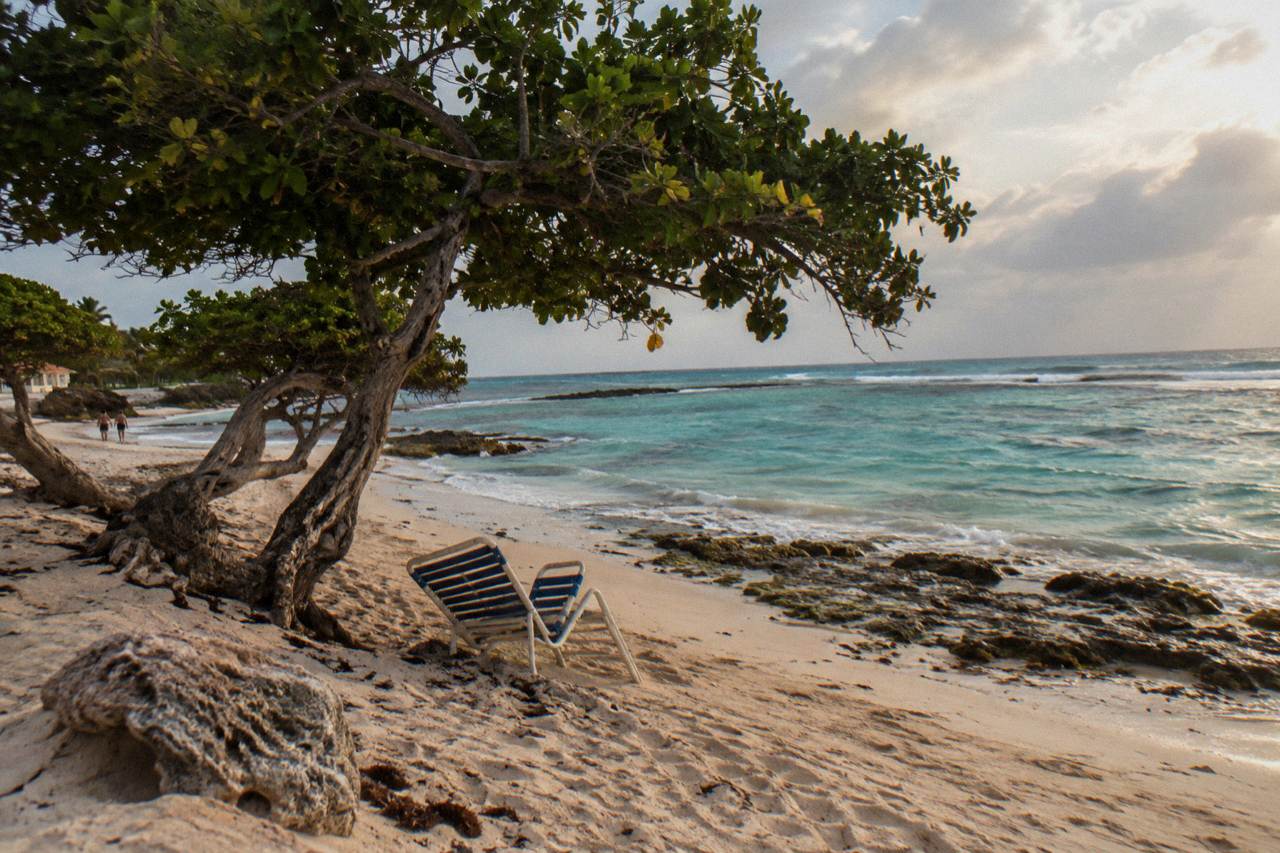
There is no single prettiest beach in Aruba, and no official ranking exists. The island lists more than twenty public beaches, and the standouts differ by use: Baby Beach is a shallow lagoon-style bay, Arashi sits near the California Lighthouse with strong snorkel visibility, Boca Catalina is a small bay with gentle waves, and Mangel Halto is a quiet mangrove-fringed shore. The right pick depends on how you plan to spend your day in the water.
Beauty votes are subjective, so this page does something more useful than naming a winner: it describes each major beach exactly as the island's official beach guide describes it, then matches each shore to the boat and beach-hop snorkel tours that actually stop there or nearby. That way the choice is driven by what you plan to do in the water, not by a headline.
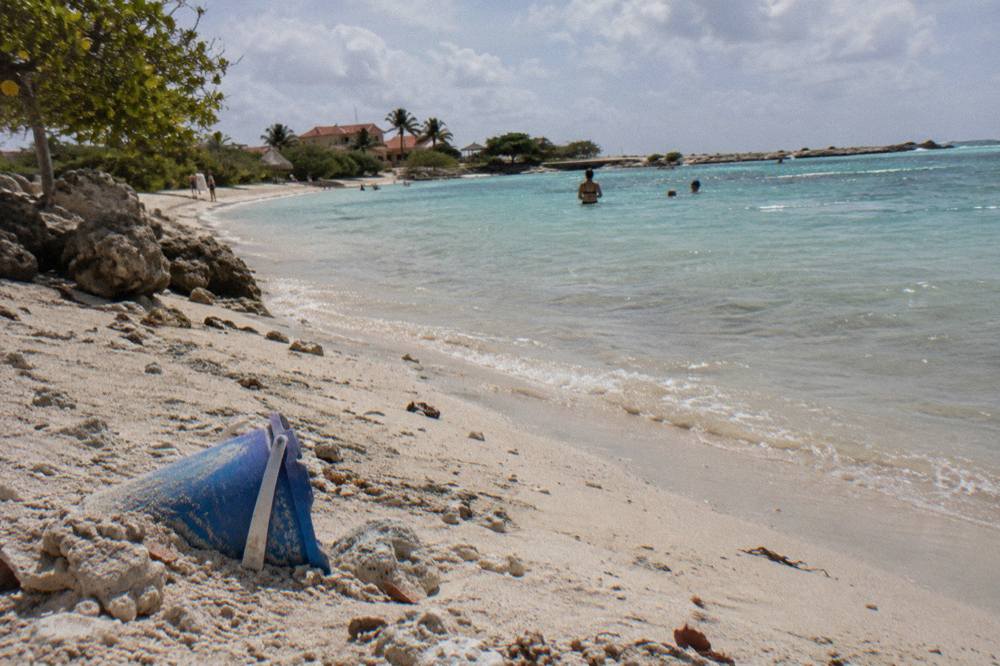
The official framing comes from the Aruba tourism authority's own beaches page, which notes that the west and south coasts are calm and protected, good for swimming and snorkeling, while the east and north coasts face open sea with stronger wind. That page is the source for every beach description used below. It is also worth knowing that every beach on the island is public and free to enter, though temporary 2026 guidelines mean hotel palapas and loungers that are set up and in use belong to hotel guests; the sand and the swimming stay open to all, per the island's published beach guidelines.
One more framing note: prettiness and snorkel quality overlap heavily on this island, because the features that make a bay photogenic, shelter from wind, shallow clear water, reef close to sand, are the same features that make it good for swimming with a mask. The beaches below are therefore sorted by experience rather than by scenery alone.
Which Beaches Keep The Calmest, Clearest Water?
The calmest water sits on the protected west and south coasts, where trade winds arrive over land rather than open sea. Boca Catalina is officially described as a small bay with gentle waves and colorful reef fish just offshore, Arashi is noted for great snorkel visibility, Baby Beach is a shallow lagoon-style bay, and Mangel Halto has calm water without crowds. North and east coast beaches face open sea and stronger wind.
The wind pattern explains most of it. Aruba is a breezy island, but the leeward west and south shores sit sheltered from the worst of the wind, so the water there stays calm for swimming and snorkeling. The same physics shapes the snorkeling: reefs close to the beach at Boca Catalina, Arashi and Mangel Halto make shore snorkeling possible with your own gear, and no entry fee applies at any of them.
The south coast has its own character. Mangel Halto is officially described as a quiet area surrounded by mangroves, and Baby Beach sits on the southeast tip as a shallow, lagoon-style bay ideal for kids and beginner snorkelers. The Mangel Halto and Baby Beach guided tour by El Tours & Transfers covers both in one five-hour open air bus trip, from $57 per person, with hotel pickup, snorkel gear and a local guide listed as included, and it is rated 4.5 from 308 reviews. Nautilus Dive Center runs two variants of the same pairing: a four-hour trip from $115 per person for up to eight guests, and a five-hour version from $95 per person for up to ten, both with pickup and gear listed.
Timing matters more than location for water clarity. The calmest months by average wind at the airport are October and November, at 5.8 meters per second, against 8.7 in June, so visitors in those calmer months get the flattest bays on average. On any given morning, the Aruba meteorological service publishes a marine forecast with wind in knots, wave height by coast and shower chances, and it is the single most useful page to check before choosing between a boat day and a shore day.
One practical note on budgeting: if you arrive by air, visitors pay a $20 Sustainability Fee through the ED Card, with residents, children under 8 and cruise passengers exempt, per the official entry requirements page. It does not affect beach choice, but it belongs in any Aruba trip budget.
Is Baby Beach Or Mangel Halto The Better South Coast Pick?
Baby Beach suits families and absolute beginners: it is officially a shallow, lagoon-style bay at the island's southeast tip, built for kids and first-time snorkelers. Mangel Halto suits snorkelers who want quiet water and healthy reef without crowds, framed by mangroves. Both are free to enter, and both are covered by guided beach-hop tours that handle transport.
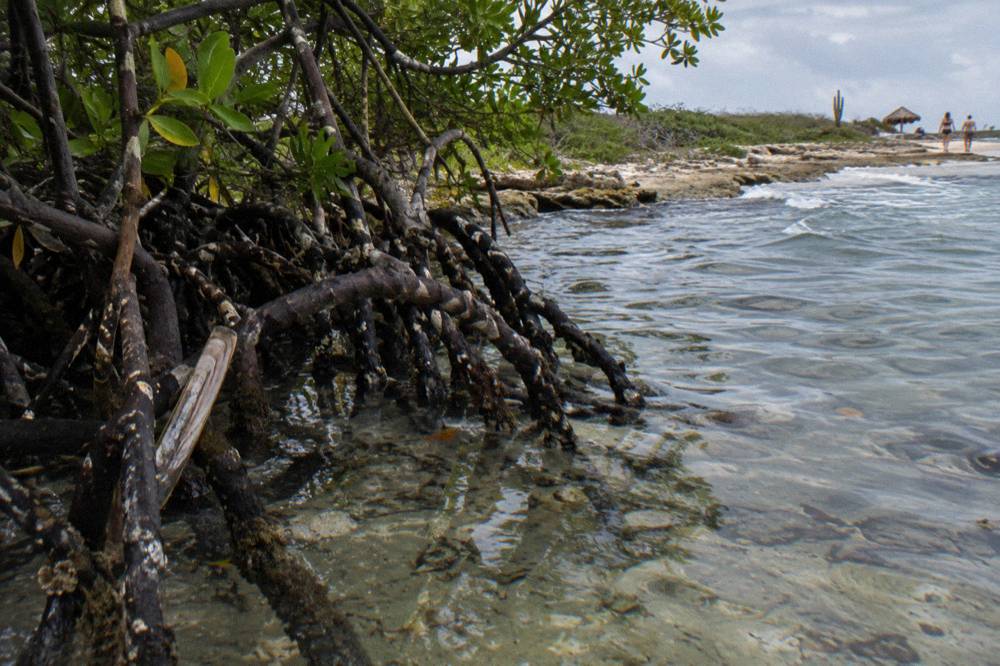
The two beaches sit a short drive apart on the south coast, but they feel different. Baby Beach is the classic postcard: a shallow, lagoon-style bay on the southeast tip, ideal for kids and beginner snorkelers. Mangel Halto is the quieter counterpart, a calm stretch of water ringed by mangroves where the reef sits close to the beach and the snorkeling comes without crowds. Neither charges for entry, and both are public. The rest of the planning pages sit on Aruba Snorkeling Tours.
For snorkelers, the differentiator is depth and distance. At Mangel Halto the fish and coral start near the sand, which is why two of the site's small-group options are based there. The sea scooter snorkel run by Aruba Bob Snorkeling & Scuba uses Mangel Halto as its single stop, six guests maximum, 2 hours 30 minutes, from $100 per person with pictures included and a 5.0 rating from 438 reviews. There is also a kayak and snorkel tour at the same beach with Vale's Rambo Adventures, up to 15 guests, from $99.99 per person, and a kayak and reef island trip with Aruba Nature Adventures, 4.5 from 20 reviews, from $105 per person with hotel pickup listed.
Baby Beach, by contrast, is more about swimming confidence than reef density. If your group mixes toddlers and snorkelers, the El Tours open air bus visit hits both beaches in one day and the guided format means nobody has to plan the driving. A private half-day Arikok tour with Aruba Nature Explorers adds a Conchi natural pool snorkel stop for from $115 per person, though with only six reviews so far it is a thinly reviewed listing.
Mangel Halto also appears on one distinctly romantic itinerary: the Spronk Catamarans champagne and lobster sail lists Mangel Halto as its sole snorkel stop, capped at 16 adult guests, 4.5 hours, from $179 per person, with a steak and lobster dinner and all alcoholic beverages included. It carries only three reviews so far, so treat it as a new listing rather than a proven quantity, but it is one of the few sunset-format trips among the tours on this site built around this beach. Between the kayaks, sea scooters and beach-hop buses, the south coast has quietly become the island's most flexible playground.
The sea scooter option deserves a closer look if your definition of a great beach day includes covering more water than fins alone allow.
Is Arashi Or Boca Catalina The Better West Coast Snorkel Beach?
Arashi Beach sits near the California Lighthouse and is officially noted for great snorkel visibility. Boca Catalina is a small bay with gentle waves and colorful reef fish just offshore, and it anchors the stretch most boat tours snorkel. Both are on the calm, protected west coast, both are public and free, and boat tours from Palm Beach piers typically reach both plus the Antilla wreck in a single morning.
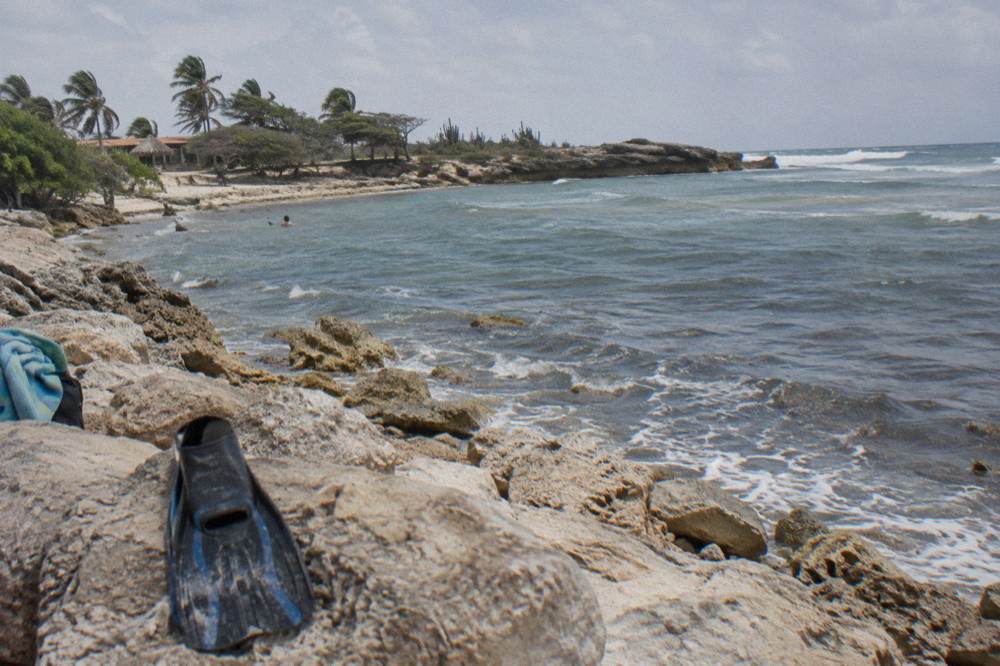
The west coast is where most visitors stay, and the stretch from Palm Beach north to Arashi concentrates the island's snorkel infrastructure. Boca Catalina appears on several of this site's tour itineraries. One names it outright: the Antilla Shipwreck and Catalina Bay Snorkel Sail from Red Sail Sports lists the wreck and Boca Catalina among its stops. Other snorkel cruises and turtle trips work the same calm stretch of coast, though some listings do not name every stop in advance. When an operator says it runs three stops, Boca Catalina is usually one of them.
Arashi is also a listed stop on the Palm Pleasure morning sail, 4.7 from 708 reviews, from $124 per person with a lunch buffet and open bar. The beach pairs well with a lighthouse visit by road, or you can reach the water the easier way: by boat. The morning sail that carries the site's highest review count, the Pelican champagne brunch cruise, stops at Malmok, Boca Catalina and the Antilla wreck, from $85 per person, up to 60 guests, with breakfast, lunch with mimosas and an open bar listed.
Tres Trapi, the west coast's turtle spot, sits within this stretch, rounding out the neighborhood. Several turtle-focused trips list it as a stop: the Coral Ocean sunset turtle experience for up to 12 guests from $125 per person, the Pelican Adventures turtle spotting tour with round-trip hotel pickup from $99 per person rated 4.2 from 25 reviews, and the Underdog Divers private turtle trip with an edited video included, 4.9 from 761 reviews, from $95 per person. Sea turtles are wild animals and no listing can promise a sighting, but this is the shoreline where the snorkel community concentrates its turtle itineraries.
For beachgoers who prefer to stay dry, a glass bottom boat run by Malmok Charters visits the Antilla wreck, Boca Catalina and Tres Trapi in 1 hour 30 minutes, from $60 per person, rated 5.0 from 47 reviews, up to ten guests. The non-snorkel angle matters if part of your group wants scenery without swimming, and cruise passengers with a short port day can read the site's guide to snorkel tours for cruise passengers for timing considerations.
Which Beach Should You Choose For Your Trip?
Choose by activity, not by postcard. Swimmers and families get Baby Beach's shallow lagoon; quiet-water snorkelers get Mangel Halto; visibility hunters get Arashi; nearshore reef fish and the biggest boat selection cluster at Boca Catalina; and hotel-zone beach days belong to Palm Beach and Eagle Beach. Every one of them is public, free and on the calm west or south coast.
The matching table below condenses the official beach descriptions against the tour types that serve each shore. Use it to shortlist, then read the individual tour pages for inclusions.
| Beach | Official character | Best for | Tours that visit |
|---|---|---|---|
| Baby Beach | Shallow, lagoon-style bay at the southeast tip | Kids, beginner snorkelers | El Tours open air bus, Nautilus trips |
| Mangel Halto | Quiet area surrounded by mangroves, calm water | Snorkelers avoiding crowds | El Tours, Nautilus, Aruba Bob sea scooters, kayak tours, Spronk lobster sail |
| Boca Catalina | Small bay, gentle waves, colorful reef fish offshore | Boat-based snorkeling | Most Palm Beach catamaran and schooner sails, turtle trips, glass bottom boat |
| Arashi | Near the California Lighthouse, great visibility | Clear-water snorkeling | Palm Pleasure morning sail |
| Tres Trapi | West coast turtle shoreline near Boca Catalina | Turtle snorkeling, small groups | Coral Ocean, Pelican Adventures, Underdog Divers, Spronk trips |
| Palm Beach | Hotel-zone beach, west coast | Convenience, departure piers | Pelican, Octopus, Red Sail, Delphi departures |
A couple of planning notes complete the picture. Rain is modest year round but October through December are the wettest months in Oranjestad, at 76.5 mm, 87.1 mm and 80.1 mm respectively, against 8.6 mm in April, so a beach day is statistically safer in late spring. Even the wet months average only seven to eleven rainy days, so the odds still favor sand. Sea temperature never drops below an average of 26.1 C, so there is no cold season to avoid; the differences are comfort margins, not dealbreakers.
The beach question and the snorkel question usually have the same answer, which is why the pairing below repeats the three formats covered on this page: the two-beach bus day, the six-guest sea scooter trip, and the big morning sail. Readers who want a broader decision framework can also compare boat trips against shore snorkeling or browse the roundup of the island's best snorkeling.
Common Questions About The Prettiest Beach In Aruba
What Is The Prettiest Beach In Aruba?
There is no official prettiest beach, and beauty is subjective. Officially, Baby Beach is a shallow lagoon-style bay, Arashi offers great snorkel visibility near the California Lighthouse, Boca Catalina is a small bay with gentle waves, and Mangel Halto is a quiet mangrove-fringed shore. Pick by what you want to do in the water.
Are All Beaches In Aruba Free To Enter?
Yes. Aruba's beaches are public and open to everyone with no entry fee. Temporary guidelines reserve hotel palapas and loungers that are set up and in use for hotel guests, but the sand and swimming areas stay open.
Can You Snorkel From The Beach In Aruba Without A Tour?
Yes, at Boca Catalina, Arashi Beach and Mangel Halto, where reefs sit close to the beach. Bring your own gear, since no rental pricing is listed on this site, and follow the island rules: no touching marine life and mineral reef-safe sunscreen only.
Which Aruba Beach Is Best For Kids?
Baby Beach is officially described as ideal for kids and beginner snorkelers, a shallow lagoon-style bay on the southeast tip. The El Tours open air bus tour visits it with Mangel Halto in one five-hour trip from $57 per person.
Which Beach Is Closest To The Cruise Port?
Oranjestad is the cruise-port town itself. The Spronk Catamarans trips listed on this site depart from Oranjestad, while most other snorkel boats leave from the Palm Beach piers or Hadicurari Pier, a taxi ride away. Cruise passengers should check their ship's all-aboard time before booking any half-day trip.
Do I Need Reef-Safe Sunscreen In Aruba?
Yes. Sunscreens containing oxybenzone are banned, and mineral-based reef-safe sunscreen is advised. The same island rules ask visitors not to feed fish or turtles and to leave shells, sand and coral in place.