Best Snorkeling In Aruba, Spot By Spot
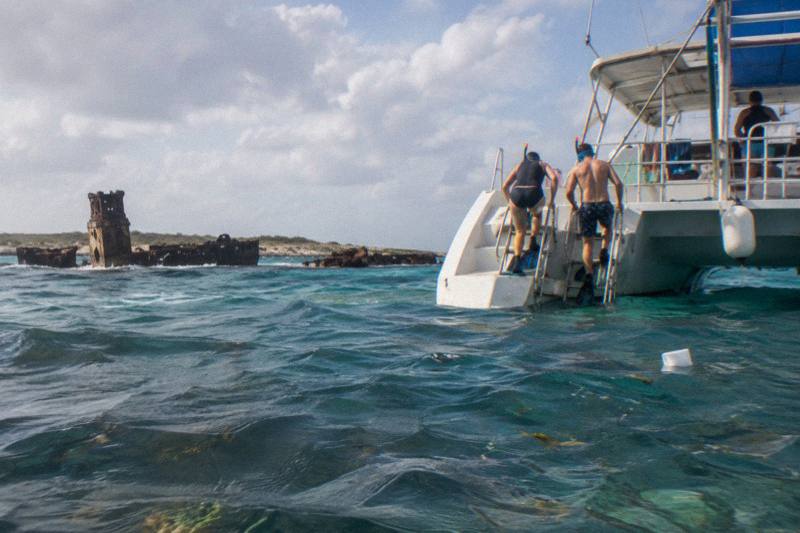
Choosing where to snorkel in Aruba comes down to one fork in the road: the calm west and south coast reefs you can swim to from the sand, or the offshore sites like the Antilla wreck that only a boat reaches. This guide compares both, spot by spot, and names the tours that serve each one.
Short answer
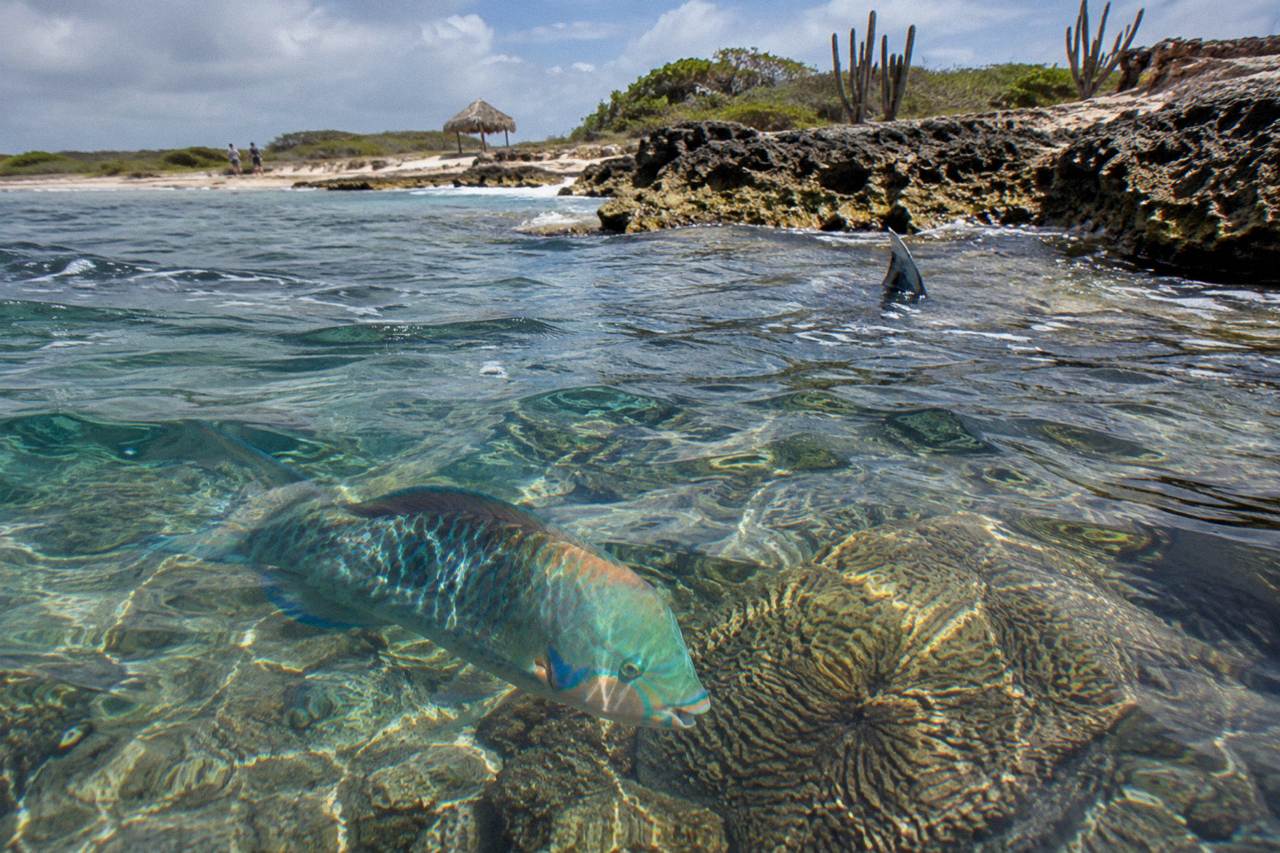
Aruba's calm west and south coasts hold the easiest snorkeling: Boca Catalina, Arashi and Mangel Halto all have reefs close to shore and no entry fee. The Antilla shipwreck, 398 feet long and lying in Malmok Bay, is the island's signature site and needs a boat. Shared sail tours run from $59 per person; private boats from $140 per person.
Aruba sits outside the hurricane belt, and its west and south coasts sit in the lee of the constant trade winds, which is why the island's snorkeling concentrates on one side. The trade-off is simple. The sheltered leeward coast gives you flat water, shallow reefs and beaches you can walk in from. The windward side gives you open sea and stronger wind, which is not where the snorkel boats go. Every spot worth comparing sits on that calm side, from Arashi in the north down to Baby Beach at the southeastern tip. If those calm, shallow conditions have you wondering about getting a little deeper without full scuba gear, our plain comparison of snuba versus snorkeling in Aruba spells out what each one asks of a swimmer.
The other half of the decision is access. Some of Aruba's best-known snorkeling, the reefs at Boca Catalina, Arashi and Mangel Halto, sits close enough to the beach that you can swim out with your own gear and pay nothing. The island's single most famous site, the Antilla shipwreck, does not. It lies offshore in Malmok Bay, and the only way to snorkel over it is from a boat, which is why so many of the tours covered here cluster around the same three or four stops. If you'd rather skip the crowded group boats, the Malmok Beach guide to snorkeling the Antilla wreck covers which tours include Malmok Reef and what a private charter from that stretch of coast costs.
This guide works through the spots one at a time, compares shore entry against the boat trips, and matches the tours on this site to the places they actually visit. For a wider angle on the choice, the shore versus boat comparison guide breaks the trade-offs down in more depth, and Aruba Snorkeling Tours carries the listing pages for the trips named below, each spelling out its own inclusions.
Where Can You Snorkel In Aruba?
Aruba's snorkeling concentrates on the protected west and south coasts, where the trade winds leave the water calm. Boca Catalina, Arashi Beach and Mangel Halto are the shore-entry standouts, with reefs close to the beach and no entry fee at any of them. Baby Beach, a shallow lagoon on the southeast tip, is the family pick. The north and east coasts face open sea and are not where snorkelers go.
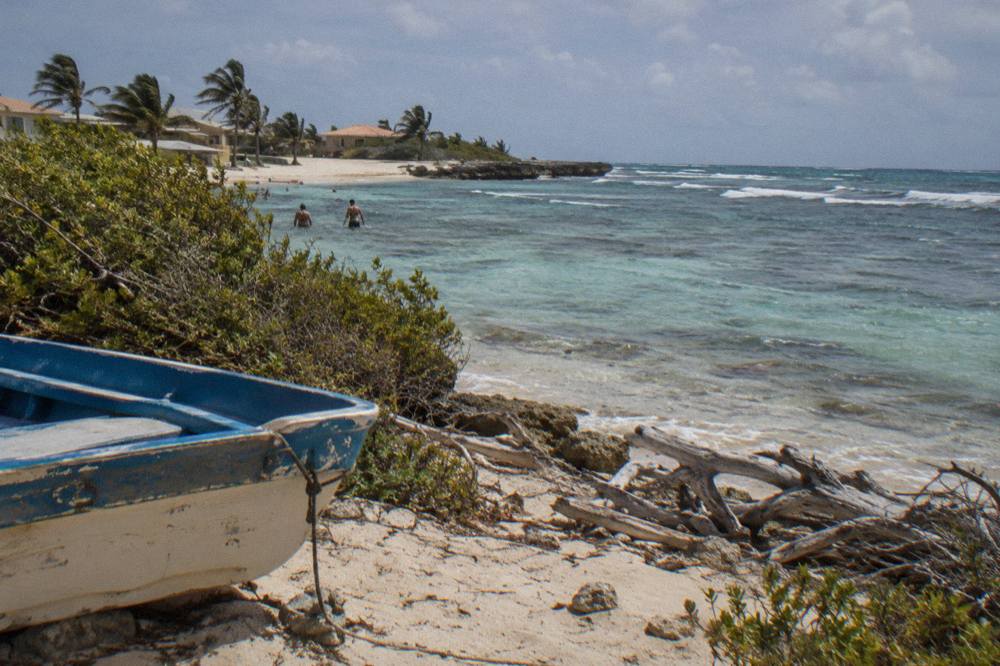
The island's tourism authority describes every beach in Aruba as public and open to everyone, with more than twenty public beaches, the west and south coasts calm and protected, and the east and north coasts facing stronger wind and open sea. That geography does most of your planning for you. When the wind blows, and in Aruba it almost always blows, the leeward side stays swimmable while the windward side turns rough.
Four names carry most of the shore-snorkel conversation. Boca Catalina is a small bay with gentle waves and colorful reef fish just offshore, which makes it the classic first stop. Arashi Beach, near the California Lighthouse, is noted for good visibility. Mangel Halto, on the south coast near Savaneta, sits among mangroves with calm water and fewer people. Baby Beach, at the southeastern tip, is a shallow, lagoon-style bay that the tourism authority calls ideal for kids and beginner snorkelers.
None of these charge an entry fee. The beaches are public and free to enter, though hotel palapas and loungers that are set up and in use are respected under the temporary beach guidelines, and leasehold areas are for hotel guests only. The sand and the swimming stay open to everyone.
What shore entry does not get you is the wreck. The Antilla lies offshore, and Mangel Halto is the island's other headline snorkel spot. That gap is exactly what the boat tours fill, and several of the listings on this site, including the morning sail to Malmok, Boca Catalina and the Antilla operated by Pelican Aruba, from $85 per person, string the shore spots and the wreck together in a single trip. If you're weighing which of those boat options suits you best, our guide to picking the right Aruba snorkel tour matches each trip to wreck lovers, turtle swimmers, families and budget watchers.
| Spot | Coast | Entry | What The Safe Facts Say |
|---|---|---|---|
| Boca Catalina | West (Noord) | Shore or boat | Small bay, gentle waves, reef fish just offshore |
| Arashi Beach | West, near California Lighthouse | Shore or boat | Noted for good snorkeling visibility |
| Mangel Halto | South, near Savaneta | Shore or boat | Mangrove setting, calm water, fewer crowds |
| Baby Beach | Southeast tip | Shore | Shallow lagoon-style bay, ideal for kids and beginners |
| Antilla wreck | Malmok Bay, offshore | Boat only | 398 ft wreck, highest points about 15 ft down |
If Arashi's clear water catches your eye, the guide to snorkeling Arashi Beach and its shore reef covers which boat tours stop there and how to plan your day.
For a spot-by-spot deep dive on the southern pair, the Mangel Halto snorkeling guide and the Baby Beach snorkeling guide cover what to expect in the water at each.
Boat Tour Or Shore Snorkeling: Which Fits You?
Shore snorkeling costs nothing beyond gear and gives you freedom over timing, but it limits you to reefs within swimming distance of the sand. Boat tours, from $57 per person on this site's listings, reach the offshore wreck and deeper reef, add gear, instruction and usually drinks, and cost money on a fixed schedule. Confident swimmers wanting the wreck should take a boat; cautious snorkelers and families can start from the beach.
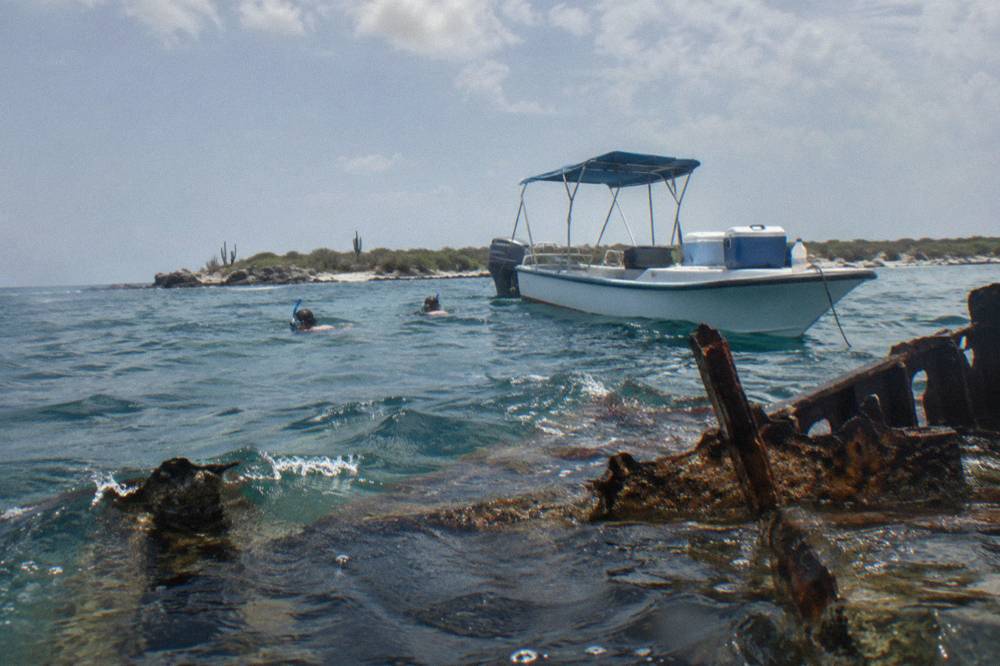
The honest version of this comparison starts with what you give up either way. From the beach at Boca Catalina you set your own pace, pause whenever you like and pay nothing, but you only reach the near-shore reef and you carry your own gear. On a boat you reach the Antilla, get equipment and usually a guide, and on many listings an open bar and lunch, but you are on the operator's clock with a group of other guests.
The price ladder on this site runs wider than most visitors expect. At the bottom, the Mangel Halto and Baby Beach tour by open-air bus, from $57 per person with hotel pickup listed, is a five-hour beach hop rather than a sail. The glass bottom boat trips from Malmok, from $60 per person for a short outing, visit the Antilla, Boca Catalina and Tres Trapi with only 10 guests. Mid-range catamaran sails run from $65 to $107 per person. Private boats start at $270 per person for the private snorkel and scooter ride, or from $900 per group for a three-hour private charter for up to 10.
The tours also differ in what they include beyond the water. The Red Sail half-day, from $107 per person, 4.8 from 860 reviews, carries a Caribbean lunch buffet and an open bar on a luxury catamaran with up to 75 guests. The Octopus afternoon catamaran, from $74.99 per person, 4.7 from 657 reviews, caps at 34 guests and includes lunch and an open cocktail bar. Those two listings alone show how much the experience changes with crowd size at the same set of stops.
A useful rule of thumb: if your list has the Antilla wreck on it, you need a boat, full stop. If your list is reef fish in calm, shallow water, the shore does it for free. Families with small children often do best combining both, a beach morning at Baby Beach or Boca Catalina and one boat day for the wreck.
| Approach | Price Range On This Site | Reaches The Antilla | Group Size | Best For |
|---|---|---|---|---|
| Shore snorkeling | Free entry, own gear | No | Your own party | Confident swimmers, flexible days |
| Open-air bus beach hop | From $57 per person | No | Up to 45 | Two beaches in one day, hotel pickup |
| Catamaran sail | From $65 to $107 per person | Yes (check the listing) | 34 to 80 | Open bar, lunch, a crowd atmosphere |
| Glass bottom boat | From $60 per person | Yes | Up to 10 | Short trip, non-swimmers can watch |
| Private boat | From $270 per person, or from $900 per group | Yes | 6 to 10 | Families and small groups |
Never compare the per-group private prices with the per-person shared prices as if they were equal: $900 for up to 10 people on the Malmok private charter is a different calculation than $900 worth of shared tickets.
Which Snorkel Tours Leave From Palm Beach?
Most of the island's boat snorkeling departs from a short stretch of Palm Beach and its piers: Pelican Pier, De Palm Pier, Piet's Pier and the Octopus beach hut. The Pelican morning champagne brunch sail, from $85 per person, 4.7 from 2,238 reviews, is the most reviewed listing on this site and covers Malmok, Boca Catalina and the Antilla in four hours.
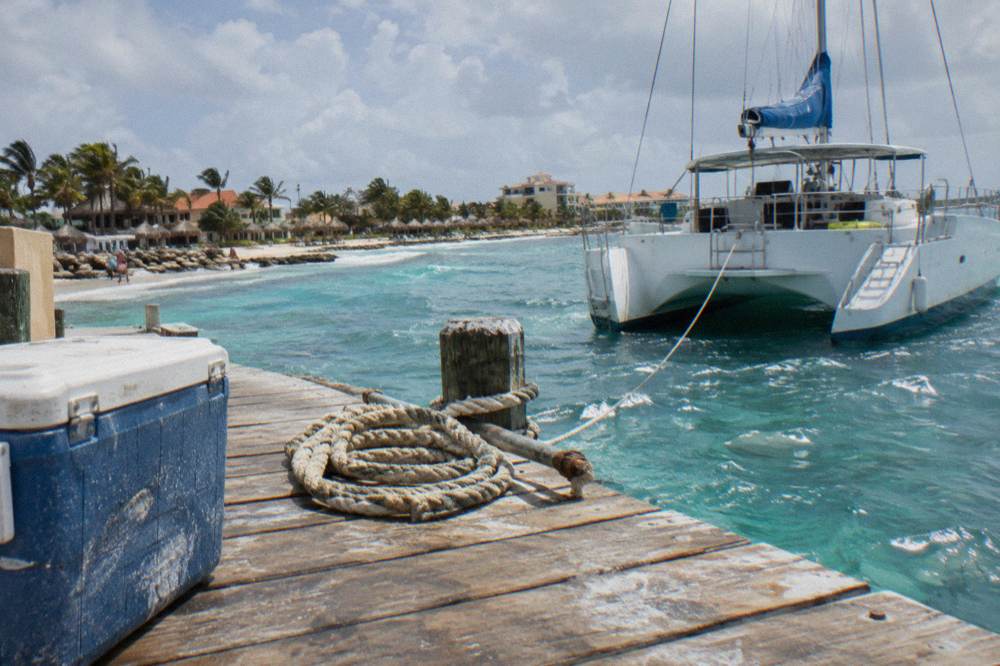
Palm Beach is the operational heart of Aruba's snorkel fleet, and which pier you walk to decides a lot about your day. Pelican Pier alone serves several distinct products, and similar listings from the same operator are genuinely different trips, so it pays to read the listing rather than the brand. The morning champagne brunch sail from Pelican Aruba departs Pelican Pier for four hours with stops at Malmok, Boca Catalina and the Antilla, breakfast and lunch with mimosas, an unlimited open bar, snorkel gear and up to 60 guests, at from $85 per person. It holds 2,238 reviews at 4.7, the deepest review pool of any listing covered here, which tells you something about how heavily booked this stretch of coast is.
Red Sail Sports runs two of the snorkel sails listed here. Their afternoon Antilla and Catalina sail, from $79 per person, 4.7 from 553 reviews, is a three-hour luxury catamaran trip with two snorkel stops, the Antilla and Boca Catalina, an open bar and appetizers, for up to 75 guests. It is the shorter, food-lighter sibling of the four-hour lunch version, and the pair makes a clean illustration of the morning-versus-afternoon trade: same operator family, same sail-and-snorkel formula, different pace.
De Palm Pier carries the Palm Pleasure catamaran, from $124 per person, 4.7 from 708 reviews, four hours, up to 80 guests, with stops at the Antilla, Boca Catalina and Arashi plus a lunch buffet and open bar. It is the biggest-boat experience on this list and the only one of the three that adds Arashi as a stop. The Octopus beach hut, also on Palm Beach, runs its afternoon catamaran at a 34-guest cap, from $74.99 per person, which is the smallest crowd of any shared sail from this stretch.
Two more departure points also matter. Delphi Watersports Aruba runs a snorkel cruise with open bar and light lunch, from $69 per person, rated 4.7 across 466 reviews, with free cancellation. And Hadicurari Fishermen's Pier, toward the north end of the hotel zone, is where the Flagship schooners and the Banana Adventure catamaran leave from, the latter from $65 per person, 4.8 from 231 reviews, with hotel pickup listed and stops at the Antilla and Tres Trapi.
If you are staying on Palm Beach itself, the practical reading is that everything above is a short walk. If you are based in Oranjestad or the south, the Spronk catamaran trips leave from the dock behind Lucy's Retired Surfer Bar in Oranjestad, which may save you the drive north. Cruise passengers should check their ship's all-aboard time against any trip's duration before booking.
What Can You See At The Antilla Wreck And The North Coast Bays?
The Antilla is a 398-foot German cargo ship scuttled in 1940, lying on its port side in Malmok Bay with its bow and superstructure about 15 feet below the surface, reachable for snorkelers in calm conditions. Boca Catalina and Tres Trapi, minutes away by boat, are the shallow-reef and turtle stops that most wreck itineraries pair with it.
The Antilla's story is short and strange. The ship was a German Hamburg America Line cargo vessel anchored in Malmok Bay when the Netherlands entered the war; the crew scuttled her rather than let the ship be captured, and the wreck has sat on a flat sandy bottom ever since. According to the Antilla Shipwreck Aruba site, the hull descends to about 60 feet while the highest points sit roughly 15 feet under the surface, which places the best parts within reach of a snorkeler floating on top, with typical visibility of 50 to 100 feet.
That visibility is seasonal, per the same source: best from March to August, slightly reduced from December to February when wind and waves pick up. The site also reports water temperatures of 79 to 85 F across the year, which matches the seatemperature.org monthly averages for Oranjestad. No listing on this site guarantees visibility or conditions on any given day; the sea decides.
Because the wreck is the headline, the north coast bays around it are the supporting acts. Boca Catalina's reef fish sit just offshore in a small, gentle bay. Tres Trapi headlines the turtle-focused trips: the Coral Ocean sunset turtle snorkel, from $125 per person, runs two hours at the spot, while the Underdog Divers private turtle tour, from $95 per person, 4.9 from 761 reviews, spends an hour and a half on turtle snorkeling with underwater footage included.
The wreck-and-turtles combination is popular enough that one operator sells three variants of it. The Spronk catamaran trips from Oranjestad all visit Boca Catalina, the Antilla and Tres Trapi with an open bar and a BBQ, at from $119 per person each: a 4.6-rated version from 378 reviews, a 4.5-rated version from 189 reviews that adds SUP boards, and a 4.7-rated version from 80 reviews billed around its BBQ lunch. They differ in duration details and inclusions, so the listing, not the family name, is what you book.
One full-boat option is the Malmok Charters private trip: three hours, from $900 for the boat, up to 10 guests, 5.0 from 41 reviews, with snorkeling and a swim with turtles built in. For a family of six to ten it often prices near several shared tickets, with the schedule to itself. For the fuller wreck story, including how the depth ranges run, see the Antilla shipwreck snorkeling guide.
| Site | Depth For Snorkelers | Access | Notes |
|---|---|---|---|
| Antilla wreck | Highest points about 15 ft down, hull to about 60 ft | Boat only | 398 ft wreck on its port side in Malmok Bay |
| Boca Catalina | Shallow near-shore reef | Shore or boat | Gentle bay, reef fish just offshore |
| Tres Trapi | Shallow rocky inlet | Shore or boat | Focus of the turtle-snorkel trips |
| Arashi | Shallow reef | Shore or boat | Noted for good visibility |
| Mangel Halto | Reef and mangrove channels | Shore or boat | Calm water, fewer crowds |
What About The South Coast: Mangel Halto And Baby Beach?
The south coast trades the wreck for quiet: Mangel Halto's mangrove-fringed reef and Baby Beach's shallow lagoon are both free to enter and reachable from shore. Small-group trips serve them well, including a sea scooter snorkel capped at six guests, from $100 per person, 5.0 from 438 reviews, and a beach-hop tour from $57 per person that reaches both beaches in one five-hour outing.
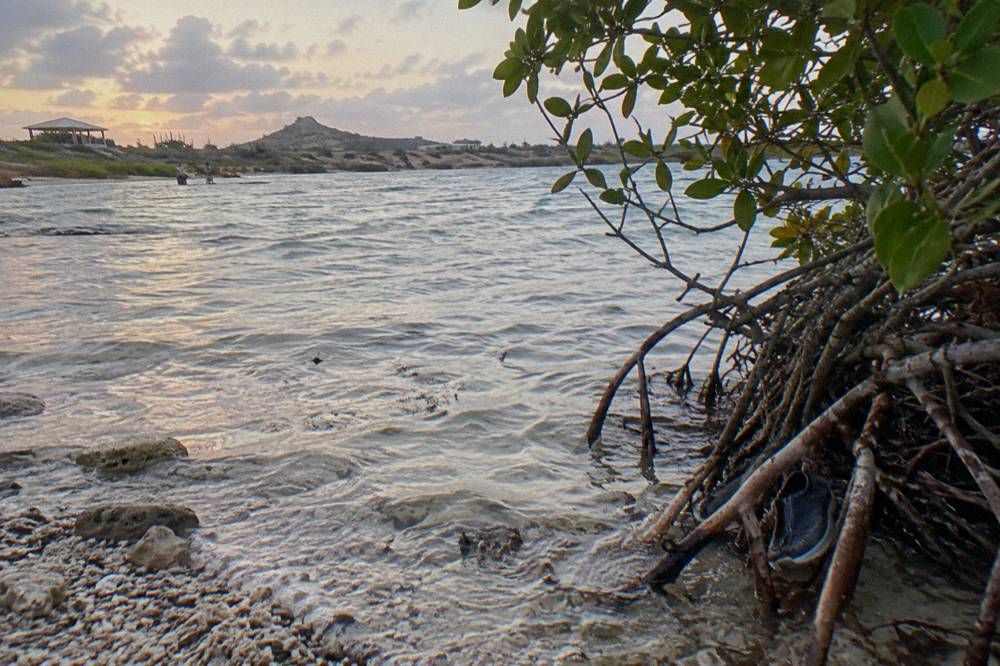
Mangel Halto is the spot people mean when they say Aruba has a quieter side. The tourism authority describes a quiet area surrounded by mangroves with calm water and snorkeling without crowds, and the reef begins a short swim from shore. It is also the base for one of the more distinctive products on this site: the Aruba Bob small-group sea scooter snorkel, from $100 per person, 5.0 from 438 reviews, which puts up to six guests on powered sea scooters over the reef for two and a half hours with pictures included.
Baby Beach is the confidence builder.The lagoon-style bay at the southeastern tip is shallow, and the tourism authority names it ideal for kids and beginner snorkelers. First-timers can take their time here, get comfortable with a mask, and enjoy the water at an easy pace before booking a longer trip out on a boat. Neither beach charges entry.
Getting to the south coast without a car is the usual obstacle, and two tours solve it differently. The El Tours open-air bus trip, from $57 per person, 4.5 from 308 reviews, includes hotel pickup and visits both Mangel Halto and Baby Beach across five hours with snorkel gear. The Nautilus Dive Center versions do the same beaches in smaller groups: from $95 per person for up to 10 guests with pickup, 4.6 from 112 reviews, or from $115 per person for up to 8, 4.6 from 76 reviews. Both operators stop at Mangel Halto and Baby Beach, so the real choice comes down to price and pace.
Kayakers have a parallel option: the Vale's Rambo Adventures kayak and snorkel tour at Mangel Halto, from $99.99 per person for up to 15 guests, and Aruba Nature Adventures' Reef Island kayak trip, from $105 per person for up to 10, 4.5 from 20 reviews. Both paddle to their snorkel spots rather than motor.
When Is The Best Time Of Year To Snorkel In Aruba?
Water temperature in Oranjestad averages between 79 F in February and 84.6 F in October, so warmth is rarely the deciding factor. Wind is: monthly averages run highest from May through August and lowest in October and November. Rain peaks in October through December but falls as brief showers on roughly 7 to 11 days a month, and roughly March to August brings lower rainfall along with the best reported visibility at the wreck.
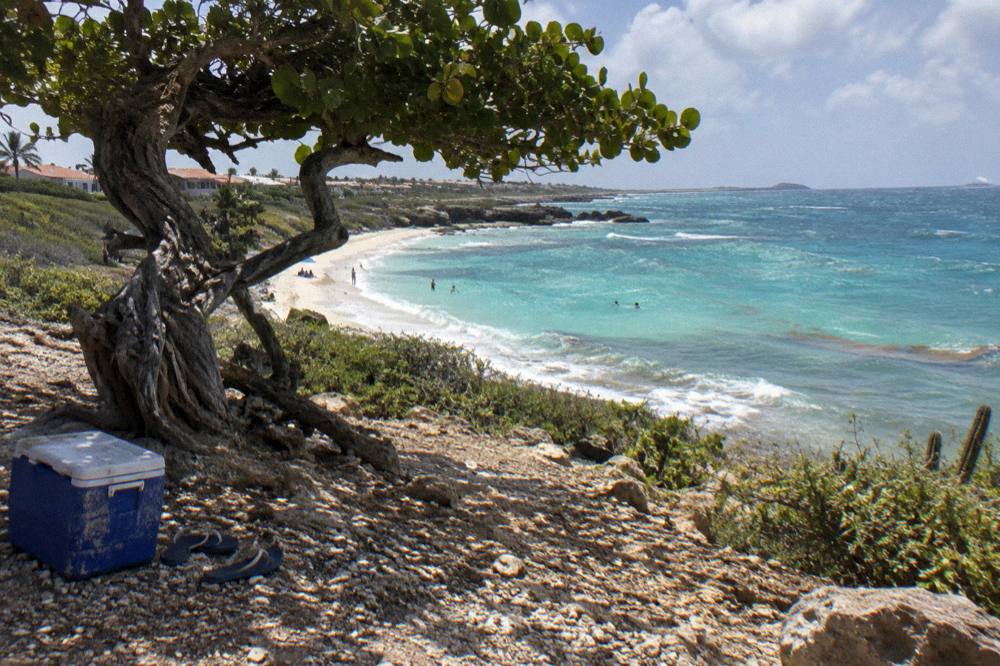
The monthly sea surface averages for Oranjestad move in a gentle band, from a February low of 79.0 F to an October high of 84.6 F, with March through September all above 79 F. No wetsuit conversation is needed at any point in the year. Wind is the more honest variable: Beatrix Airport's long-run monthly means peak at 8.7 m/s in June and drop to 5.8 m/s in October and November. More wind means choppier surface water on the leeward coast, though the west and south shores stay the calmest sections of the island in any month.

Rain looks scarier on the chart than it feels on the island. Oranjestad averages 76.5 to 87.1 mm across October to December, but spread over 7 to 11 days with rain, and Caribbean showers tend to pass quickly rather than settle in. The dry stretch from February through May, with 1.5 to 4.5 rainy days a month, is the statistically safest bet. None of this is a forecast: check the Aruban meteorological service's marine forecast the morning of any boat trip, which shows wind in knots, wave height by coast and shower chances, and remember that protected south and west sections run calmer than north-facing coasts.
Hurricane season runs from 1 June to 30 November, and the tourism authority notes that Aruba is outside the hurricane belt with no direct hurricane hit since 1851. That is a record, not a promise; storms can still bring rain, gusts or flat-calm days, and boat trips can be rescheduled when the sea says no. Check the cancellation terms on each listing before you plan around a single day.
| Month | Avg Sea Temp (F) | Rainy Days | Wind Notes |
|---|---|---|---|
| February | 79.0 | 4.5 | Wind building toward spring |
| March | 79.2 | 2.0 | Good wreck visibility window begins |
| June | 82.2 | 2.8 | Highest monthly wind mean of the year |
| August | 82.6 | 3.1 | Warm, breezy |
| October | 84.6 | 7.3 | Warmest water, lowest wind mean |
| December | 81.1 | 11.0 | Quietest visibility at the wreck per one source |
What Rules Apply When You Snorkel In Aruba?
Aruba bans sunscreens containing oxybenzone and advises mineral-based reef-safe sunscreen instead. Feeding fish, turtles or seabirds is prohibited, as is touching or picking up marine life, and shells, sand and coral stay in nature. The only visitor fee is a $20 Sustainability Fee for arrivals by air, paid through the ED Card; cruise passengers are exempt.
These rules come from the island's own guidance for protecting beaches and marine life, and they apply everywhere in this guide, from the free shore spots to the paid boat trips. The sunscreen point matters most at the shallow bays: oxybenzone-containing products are banned, and mineral-based reef-safe sunscreen is the advised alternative. Across this site's listings, the Pelican turtle spotting tour is the one that explicitly includes reef-safe sunscreen among its inclusions.
The no-touching rules shape behavior at the turtle sites more than anywhere else. Tres Trapi is a genuine turtle habitat, and the listings that visit it sell the chance to swim near them, never a guarantee of a sighting. Feeding them is prohibited outright; bread is not part of their diet, and picking up starfish or handling any marine life is off-limits too. The same guidance covers leaving shells and coral where they lie.
| Rule | What It Means In Practice |
|---|---|
| Oxybenzone sunscreen banned | Bring mineral-based reef-safe sunscreen |
| Do not feed marine life | No bread or scraps for fish or turtles, even from a boat |
| Do not touch or pick up marine life | Look, do not handle; starfish stay in the water |
| Leave shells, sand and coral | Nothing comes home from the beach or reef |
| $20 Sustainability Fee | Paid by air arrivals through the ED Card; cruise passengers exempt |
Visitors arriving by air pay the $20 Sustainability Fee through the ED Card, with exemptions for residents, children under 8, cruise ship passengers and repeat visitors who paid in the same calendar year. Shore snorkeling itself carries no entry fee at Mangel Halto, Boca Catalina, Baby Beach or Arashi. For more on the sunscreen question, see the reef-safe sunscreen guide.
By way of a closing comparison rather than a verdict: the calm-water family day points at Baby Beach or a short glass bottom boat trip, the wreck day points at any Palm Beach or Oranjestad sail, the quiet reef day points at Mangel Halto, and the turtle day points at Tres Trapi with a small group. Whichever you pick, book the listing that actually names your stop, not the one that names the island.
Common Questions About Snorkeling In Aruba
Where Can You Snorkel In Aruba?
The calm west and south coasts hold the main spots: Boca Catalina, Arashi Beach, Mangel Halto and Baby Beach all have reefs near shore and free entry. The Antilla wreck offshore in Malmok Bay is reached by boat only.
What Is The Best Time Of Year To Snorkel In Aruba?
Water stays between 79 and 84.6 F all year. March to August combines the best reported visibility at the Antilla with the drier months; October and November bring the warmest water and the lowest wind but more rainy days.
Can You Snorkel From The Beach In Aruba?
Yes. Boca Catalina, Arashi Beach and Mangel Halto all have reefs close to the beach, and every beach in Aruba is public and free to enter. Bring your own gear for shore snorkeling.
How Much Does A Snorkel Tour In Aruba Cost?
On this site's listings, shared tours start at $57 per person for the guided Mangel Halto and Baby Beach hop and reach $179 per person for the sunset champagne and lobster sail. Private options start at $270 per person or from $900 per group for up to 10 guests.
Is Sunscreen Banned In Aruba?
Sunscreens containing oxybenzone are banned, and mineral-based reef-safe sunscreen is advised. Feeding or touching marine life and removing shells or coral are also prohibited.
Which Side Of Aruba Is Best For Snorkeling?
The west and south coasts, which sit sheltered from the trade winds and stay calm. The east and north coasts face open sea with stronger wind and are not the snorkeling side.