Is Snuba Diving Harder Than Snorkeling?
A plain comparison of what snuba and snorkeling each ask of a swimmer in Aruba, and how to pick between them, tied to real listed snorkel trips.
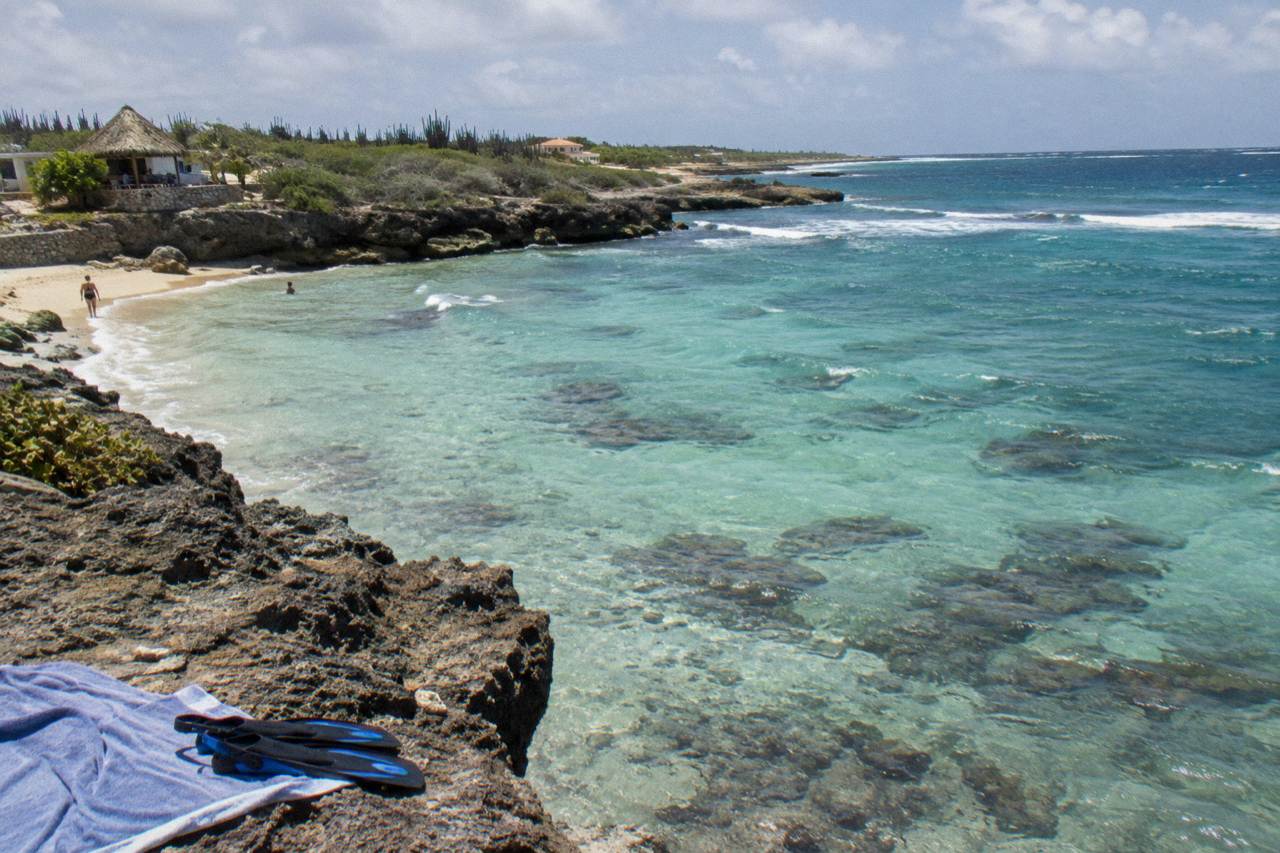
Aruba draws a lot of first-time water people. Some arrive having never worn a mask, others want to go a step past the surface, and snuba is the product most often pitched as that middle step. The honest answer for a reader standing at the crossroads is that snuba is not simply "harder" in a straight line. It adds equipment, a breathing habit that is unfamiliar, and a guide-dependent structure that snorkeling does not have, while snorkeling adds its own demand: total comfort with your own face in the water and your own body floating on it. This page compares the two by what each asks of the swimmer, without pretending anyone here has done them, and points to real listed Aruba snorkel products that fit each comfort level. If a helmet walk sounds like an easier entry point, the sea trekking vs snuba comparison explains how those two add-ons really differ.
Yes, snuba is generally harder than snorkeling, because it asks more of you: you breathe through a regulator mouthpiece instead of a simple tube, you move through the water rather than float on it, and you stay tethered to a surface air supply that a guide manages. Snorkeling only requires comfort with a mask, a snorkel, and floating, and neither activity carries an official difficulty grade.
The word "harder" hides two different kinds of effort. One is physical. Snorkeling at the surface, fins kicking gently, is close to the lightest water activity there is, and Aruba's protected west and south coasts are described by the tourism authority's beaches page as calm and good for swimming and snorkeling. Snuba keeps you swimming the whole time too, but adds drag from a long air line and the habit of breathing with your mouth only, which many people adjust to quickly and some never stop noticing.
The other kind of effort is mental. Plenty of confident pool swimmers feel fine with a snorkel and uneasy about putting their head under and breathing from a regulator. Plenty of others find floating at the surface boring and love being down near the reef. Which one is "harder" for you depends on which of those two discomforts you would rather face, and no review pool or listing answers that for you.
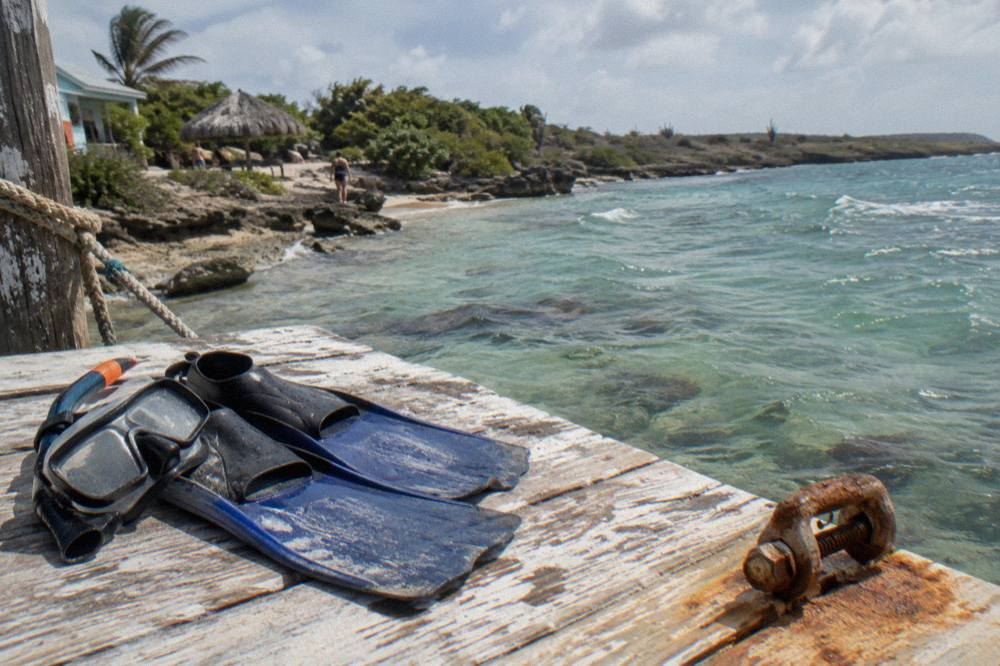
For context on the general comparison, the two activities share gear basics. Both use a mask, both usually use fins, and both reward relaxing rather than fighting the water. The divergence is the air supply: a snorkel tube is a hollow piece of plastic you can clear by exhaling hard, while a snuba setup feeds air from a raft or float at the surface down a line to your regulator. Snorkeling gear you can rent, borrow or bring from home; snuba gear comes with the session and an instructor, because the operator supplies it.
What Does Each Activity Ask Of Your Body?
Snuba asks you to breathe through your mouth continuously, equalize your ears as you descend, and manage buoyancy without a dive vest of your own, while remaining a swimmer the entire time. Snorkeling asks you to float face down, breathe through a tube, and clear that tube when water enters. Both use fins, and both reward slow, relaxed movement over effort.
Mouth-only breathing is the single biggest adjustment in snuba. On land you breathe through your nose without thinking; underwater with a regulator, your nose is inside the mask and out of the loop. Every snuba operator worth the name briefs this and gives you time to practice at the surface, but it is a real skill and it is fair to call it an added demand. Ear equalization, pinching your nose gently and gently blowing as you go down, is the other habit snorkelers never need.
Snuba's structure offsets some of that demand. Snuba formats vary by operator, so the live listing is the place to confirm how the equipment works, how far you can roam, and whether a guide stays in the water. Snuba sessions at De Palm Island are paid upgrades, not part of the entry ticket: guided and group-based, about one hour, open to ages 8 and up, with reservations needed and no sessions on Sundays. Snorkeling trips by contrast often hand you gear, point you at a reef, and let you float on your own schedule within the crew's watch.
A fair way to frame the physical comparison:
| What it asks of you | Snorkeling | Snuba |
|---|---|---|
| Breathing | Through a tube at the surface; nose stays in the mask | Through a regulator mouthpiece the whole session |
| Body position | Floating face down, horizontal | Swimming through the water column, tethered from above |
| New habits | Clearing the tube, relaxing the float | Continuous mouth breathing, ear equalization |
| Guide dependence | Crew nearby, you float on your own | Guide in the water with the group |
| Effort feel | Light, cruise-like | Moderate, sustained swimming |
The table is a general comparison, not a verdict on safety, which no listing states and this site does not give. If you are pregnant, have ear or sinus issues, or are unsure about any health question, ask the operator directly before booking; the listings covered here do not state medical restrictions.
If the surface version already sounds like plenty, Aruba has trips built exactly for that. The Pelican Morning Sail with Champagne Brunch runs 4 hours from Pelican Pier with stops at Malmok, Boca Catalina and the Antilla, from $85 per person with breakfast, mimosas and an open bar, and gear included. The Red Sail Half-Day, 3 Snorkel Stops, Lunch trip carries up to 75 guests on a luxury catamaran from $107 per person. Both are float-and-look trips where the hardest skill is relaxing.
Which One Suits A Nervous First Timer?
A nervous first timer usually does better starting with snorkeling, because the surface is always one head-lift away, the gear is simple, and trips in Aruba cater explicitly to beginners with instruction and calm, protected bays. Snuba suits someone who has snorkeled happily and wants more time near the reef without full scuba training.
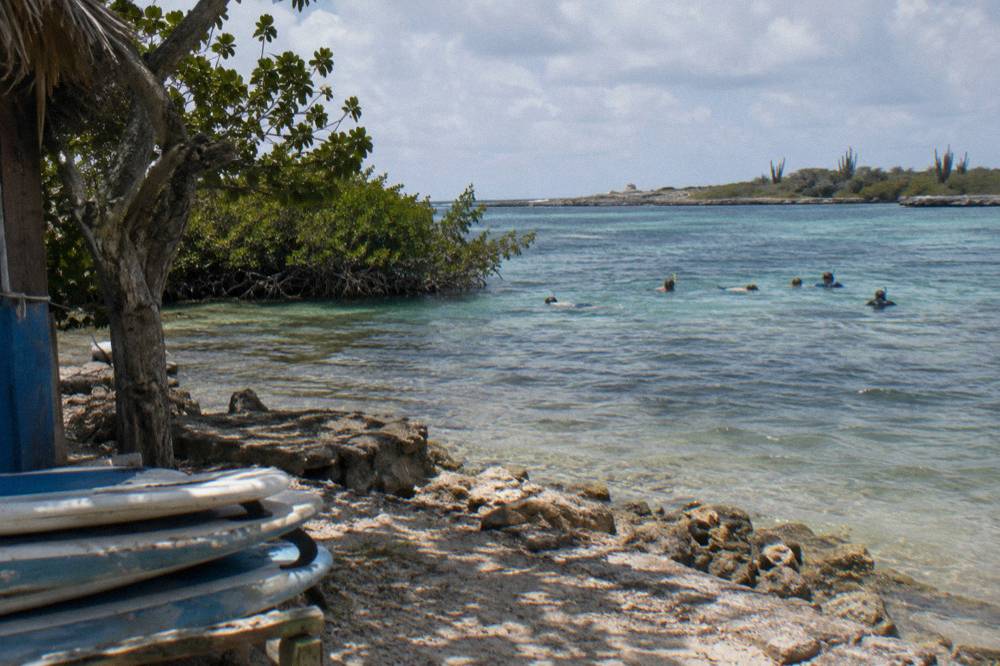
Confidence in water builds in steps, and the step order matters more than the difficulty label. Someone who has never worn a mask benefits most from a shallow, calm, uncrowded spot where standing up or touching sand is possible. Aruba's shore spots fit that: Boca Catalina is a small bay with gentle waves and colorful reef fish just offshore, and Mangel Halto is a quiet mangrove-fringed area with calm water, both described by the tourism authority's beaches page. Entry is free at these public beaches and you bring your own gear.
Guided options stack the deck further. The Turtle Spotting Snorkel Tour With Pickup from Pelican Adventures lists beginner snorkel instruction, a snorkel jacket, reef-safe sunscreen and round-trip hotel pickup, from $99 per person for up to 6 guests, though with only 25 reviews behind its 4.2 rating the pool is small. The Underdog Divers private turtle tour at Tres Trapi, from $95 per person, 4.9 from 761 reviews, pairs one guide with your group and includes an edited video, a format that suits people who want undivided attention while they get comfortable.
Snuba, by contrast, is rarely pitched as a first-ever water experience. Its natural customer is the person who has snorkeled a few times, enjoys it, and keeps wondering what is just below the reach of a surface float. That person already has mask comfort and fin technique; the only new skills are the mouthpiece and equalizing. The De Palm Island entry ticket covers both worlds in one purchase: unlimited food and drinks (lunch buffet, open bar), snorkel gear, and complimentary reef snorkel tours offered twice daily, plus beach and water-play facilities. SNUBA and Sea Trek are paid upgrades rather than included in the ticket, so a hesitant group can split between the two without booking separate operators. For travelers still mapping out the rest of their Aruba water time, the Renaissance Island versus a booked snorkel tour comparison walks through what each option involves and how to pick between them.
Do You Need To Be A Strong Swimmer?
Neither activity requires competitive swimming ability, but both require that you can stay afloat and move with fins, and snuba adds sustained swimming while breathing through a mouthpiece. Listings here do not state minimum swim ability, and non-swimmers have a separate option: observing from a glass bottom boat or staying dry on deck.
The honest skill floor for snorkeling is low but real. You should be able to float without panic, kick gently with fins, and feel calm with your face in water. Many Aruba trips make that easier: the Flagship Morning Schooner trip lists "premium snorkeling gear" and a "professional, safety-trained crew" among its inclusions, and the Banana Adventure Catamaran from Segway Aruba carries snorkel gear and lunch for up to 36 guests from $65 per person with hotel pickup listed. Crews on shared trips deal with hesitant floaters every day; that is part of what the per-person price buys.
For people who genuinely do not want to swim at all, the water still has an entry point. A glass bottom boat ride shows the same reefs with no swimming at all, which is why this site keeps a Malmok Charters glass bottom tour in its featured slot for this question. Malmok Charters runs the Aruba Snorkel Sites by Glass Bottom Boat trip, 1 hour 30 minutes on the water, from $60 per person, and it carries a 5.0 rating across 47 reviews on its listing. What comes included is set out on the live booking page. Snorkeling is optional at each stop; you can stay dry and watch through the glass bottom. There is also a viewing option for non-swimmers on this island: a glass bottom boat tour of Aruba's snorkel sites, from $60 per person with Malmok Charters, a fully dry alternative.
Can You Try Sea Scooters Between Snorkeling And Snuba Diving?
Yes, in a practical sense: powered water gear such as sea scooters and Seabobs gives you the underwater glide and reef closeness people chase in snuba, while the device does the swimming for you and you keep breathing through a snorkel at your own pace. Aruba listings cover both, in small groups with guides.
The comparison only exists because of what people actually want from snuba, which is usually more reef, less kicking. Two products on this site deliver that from the snorkel side. The Small-Group Sea Scooters Snorkel at Mangel Halto from Aruba Bob, from $100 per person for up to 6 guests, 5.0 from 438 reviews, puts you on sea scooters over Mangel Halto's calm mangrove bay, with pictures included. The Antilla Shipwreck Seabob Tour from Segway Aruba, from $120 per person for up to 15 guests with hotel pickup listed, 4.9 from 225 reviews, uses Seabob underwater scooters at the wreck itself, with a trained guide and bottled water included.
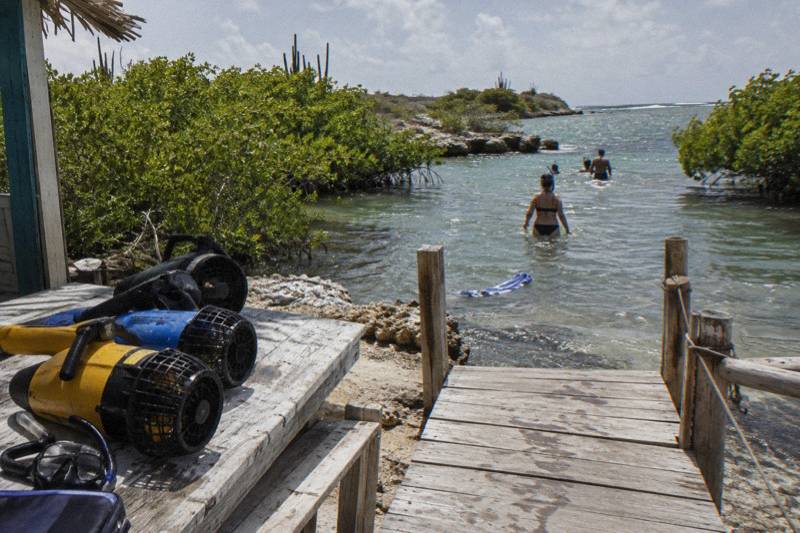
Neither of these is snuba, and neither replaces it. The scooters carry you, you hold a snorkel, and the surface stays as close as a head lift, which is exactly the reassurance many hesitant swimmers want. Snuba's appeal is different: it is the quiet, slow, breath-through-a-regulator experience of being in the water column among the fish rather than above them. If that description appeals to you more than speed does, snuba is the better fit; if you simply want to see more without exhausting your legs, a scooter tour gets you there with less adjustment.
There is also a bridge product worth knowing about when you weigh effort: the Octopus Premium Catamaran Afternoon Sail stops at Malmok, Boca Catalina and the Antilla with lunch and an open cocktail bar for up to 34 guests, from $74.99 per person, 4.7 from 657 reviews. Its snorkel stops are conventional surface floats, but its small guest count and listed on-board instruction mean a beginner gets real attention at each stop, which is often what "easier" actually means in practice.
How Do You Choose Between Them For An Aruba Trip?
Choose snorkeling first if you have never had a mask on, want the cheapest entry, or are unsure about your comfort in open water; it is the format of nearly every boat trip listed here. Choose snuba if you have snorkeled happily, want sustained time near the reef, and accept a guided, tethered format. Many visitors do one of each across a week.
Budget is one honest axis. At De Palm Island, SNUBA runs as a paid upgrade separate from the entry ticket, which includes lunch, an open bar, snorkel gear and beach facilities. Check the live listing for current prices on both. Snorkeling trips on this site run from $57 per person for the El Tours guided beach-hop day to Mangel Halto and Baby Beach, up to $179 per person for the Spronk sunset champagne and lobster sail; private charters climb to $270 per person. The Spronk turtle and wreck sunset trips, from $119 per person with BBQ dinner and open bar, sit at the premium end of the float format. Compare like with like: check each listing's price basis, per person or per group. If you want a fuller picture of that upgrade's pricing before committing, the guide to SNUBA costs at De Palm Island lays out what to expect.
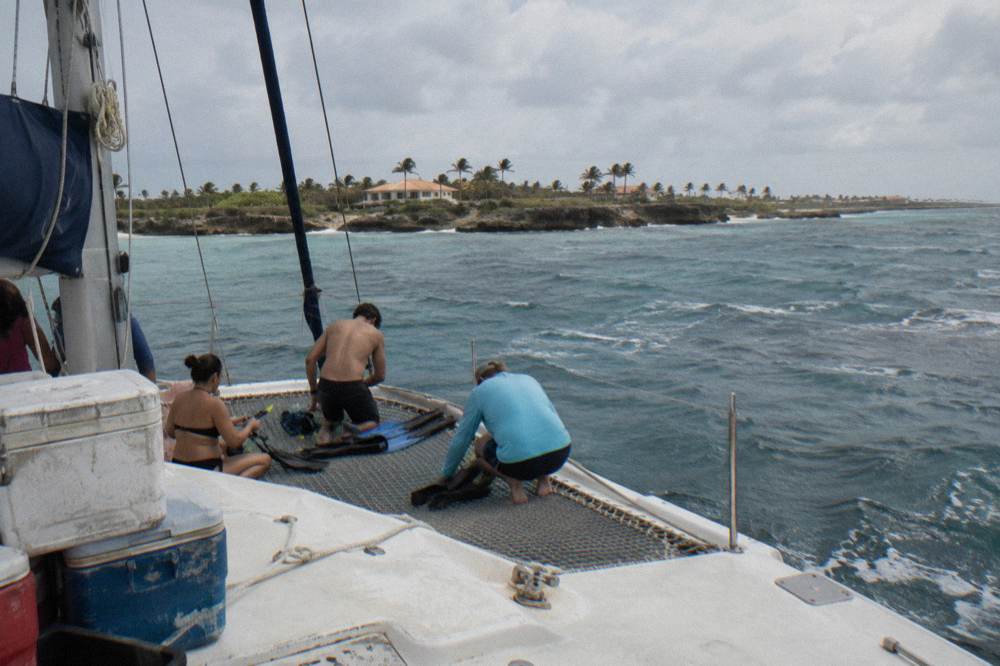
The reader choosing between the two should also weigh the rules of the reef itself. Aruba asks the same things of everyone in the water: do not feed fish or turtles, do not touch or pick up marine life, leave shells, sand and coral where they lie, and use mineral-based reef-safe sunscreen, since sunscreens containing oxybenzone are banned. Those rules apply at the surface and below it equally, and the tourism authority's guidance for guests sets them out plainly. Snorkeling's lighter footprint, floating and looking, makes those rules easy to keep; the same rules apply with a regulator in your mouth.
Practical readers can short-circuit the whole debate with a two-step week: book a float trip first, see how the water feels, and only then decide whether the snuba add-on is worth it on a later day. Reading a wider comparison helps too; the Aruba snuba guide covers the island's snuba operators in detail, the snorkeling for beginners guide walks through first-time skills, and Is Snuba Safer Than Scuba? takes the safety question that this page deliberately does not answer. For a broader view of what a trip can include, the site's homepage comparison on Aruba Snorkeling Tours lays the trip types side by side.
One planning note that applies regardless of format: water temperature on this island is friendly year-round, averaging from about 26 C in the coldest month to about 29 C in the warmest, per seatemperature.org's Oranjestad records, so neither activity asks you to brave cold water in any season. Weather can still change, hurricane season runs 1 June to 30 November, and the meteorological service's marine forecast shows wind, wave height by coast and shower chances worth checking the morning of any boat day.
Common Questions About Snuba Versus Snorkeling
Is Snuba Diving Harder Than Snorkeling?
It asks more of you in specific ways: breathing only through your mouth via a regulator, equalizing your ears, and swimming while tethered to a surface air line. Snorkeling asks for face-down floating and tube clearing instead. Neither has an official difficulty grade, and which feels harder depends on whether mouth-breathing underwater or floating calmly is the bigger hurdle for you.
Do I Need Lessons Before Trying Snuba?
Snuba is sold as a no-certification activity, and sessions include a briefing and a guide in the water with the group. The listings covered here do not state a training requirement. Any specific prerequisite is a question for the operator before you book.
Can A Non-Swimmer Join A Snorkel Tour?
The listings here do not state swim-ability minimums. A non-swimmer can still see Aruba's reefs: glass bottom boat trips carry passengers with no swimming at all. Ask the operator directly about floatation aids and crew support before booking.
Is Snuba Safer Than Scuba?
This site does not give safety verdicts. Snuba keeps you tethered to a surface air supply with a guide, while scuba involves certification, your own tank and deeper independence. The dedicated comparison page covers the differences in format without ranking risk.
What Gear Does A Snorkel Tour Include?
What a trip covers differs from one operator to the next, so check each listing's own inclusions line for gear, fins, instruction, drinks, meals and pickup. The glass bottom trip from Malmok Charters, for example, lists gear, bottled water and sodas; the Red Sail half-day lists gear, instruction on request, a lunch buffet and an open bar.
Can I Do Both Snuba And Snorkeling On One Trip?
The De Palm Island entry ticket includes snorkel gear and complimentary reef snorkel tours offered twice daily, while snuba is a paid upgrade not included in the ticket, making this the closest single purchase to both. Otherwise, many visitors book a snorkel sail early in the week and decide on snuba afterward. This site prints no price for the pass or the add-on; check the operator's own pages.