Snuba In Aruba: How It Differs From Snorkeling And Scuba
Snuba sits between snorkeling and scuba: you breathe through a regulator on a hose that feeds from a tank floating on the surface, so you swim below the waterline without strapping a tank to your back. Here is how it works in general terms, where it shows up in Aruba, and which bookable snorkel alternatives on this site scratch a similar itch.
Short answer
Snuba is surface-supplied diving: a raft on the surface carries the air tank and a hose delivers it to your regulator, letting you swim a few meters down without scuba certification. In Aruba it is offered at De Palm Island as a paid upgrade, separate from the entry ticket. No snuba tour appears among the listings covered here, so the closest bookable options are the glass bottom, sea scooter and Seabob trips.
Snuba occupies the middle ground between floating on the surface and diving with a tank on your back, and it is one of those words travelers type into a search bar the moment they first hear it at a resort desk. The short version: you wear a mask and fins like a snorkeler, but you breathe through a regulator connected by a long hose to an air tank that floats on a raft at the surface. That lets you swim below the waterline, face to face with reef life, without carrying the tank or needing a scuba certification. The longer version, including where the format exists in Aruba and which of the tours listed on Aruba Snorkeling Tours deliver something adjacent to it, is what this page covers.
One thing to be clear about up front: the listings covered here include no snuba tour. The operators on this site run sail-and-snorkel cruises, shipwreck and turtle trips, private charters, kayak and glass bottom outings, and powered underwater scooters. Snuba itself shows up in Aruba as a paid add-on at De Palm Island, per the operator's own page, which lists both Snuba and Sea Trek as extras on top of the day pass. The De Palm Island snorkeling guide covers that venue's ferry, lunch and guided snorkel tours in detail.
What Is Snuba And How Does It Work?
Snuba is surface-supplied air diving: a tank rides on a floating raft above you, an air line carries that air down to your regulator, and you swim underwater with no tank on your back and no certification required. Unlike snorkeling, you breathe through your mouth the whole time. Unlike scuba, you are tethered to the surface by that hose and cannot descend deep or wander far.
That tether is the defining feature. A snorkeler stays at the surface with face down in the water, breathing through a J-shaped tube; the moment they duck-dive, they hold their breath. A scuba diver carries everything, tank and regulator and gauges, and can descend well down the water column but needs training and certification to do it. The snuba diver splits the difference: the heavy equipment stays topside on the raft, the hose sets a hard limit on how deep and how far you can go, and a guide typically stays with the group throughout the session. Breathing underwater through a regulator feels strange for the first minute or two, most people adjust quickly, and the whole point of the format is that no classroom time stands between you and that first breath below the surface.
The trade-offs follow directly from the design. Because the air comes from the surface, weather matters: a choppy day tugs at the raft and the hose, and operators of any surface-supplied activity will judge conditions before taking a group out. Because you are on a hose, you move with the raft, so the experience covers a limited patch of reef rather than a long drift. And because this page is honest about its coverage, the listings here state none of the specifics that snuba marketing materials often carry, such as depth limits, participant ages or prices, and those figures are not printed here. What can be said is structural: snuba is a guided, shallow, tethered format that sits closer to scuba in sensation and closer to snorkeling in accessibility.
Snuba Versus Snorkeling: Which Suits You Better?
Choose snorkeling for surface freedom, low cost, and the widest choice of trips, with shared Aruba listings running $57 to $179 per person, and private charters up to $270 per person or $900 per group, from open-bar catamarans to glass bottom boats. Choose snuba if your priority is breathing underwater among reef fish for minutes at a time, accepting that in Aruba it currently exists only as an island day-pass add-on rather than a standalone tour. If you would rather reach the water on foot, snorkeling Aruba's natural pool at Conchi covers the guided Arikok hike and what the tour includes.
The honest comparison is mostly about what each format asks of you. Snorkeling asks that you be comfortable floating, that you can clear a mask, and little else; beginners get instruction on several of the cruises listed here, including the Red Sail half-day, which lists instruction on request alongside its Caribbean lunch buffet and open bar. Snuba asks that you be comfortable breathing through a regulator with your face underwater, and that you are happy staying within hose range of a raft. Neither is a workout, but they tax different nerves. For a third format that keeps your head dry altogether, the sea trekking versus snuba breakdown explains how that helmet walk compares.
| Dimension | Snorkeling (as listed here) | Snuba (general format) |
|---|---|---|
| Air source | Snorkel tube at the surface | Tank on a floating raft, hose to a regulator |
| Depth | Surface, with breath-hold duck dives | Shallow descent, limited by hose length |
| Certification | None | None |
| Where it exists on this site | 33 listed tours across six trip types | Not offered as a listed tour; add-on at De Palm Island per the operator |
| Typical Aruba venues | Antilla wreck, Boca Catalina, Malmok, Tres Trapi, Mangel Halto, Baby Beach, Arashi | Island day-pass venue |
| Freedom of movement | Full surface range of the tour | Tethered to the surface raft |
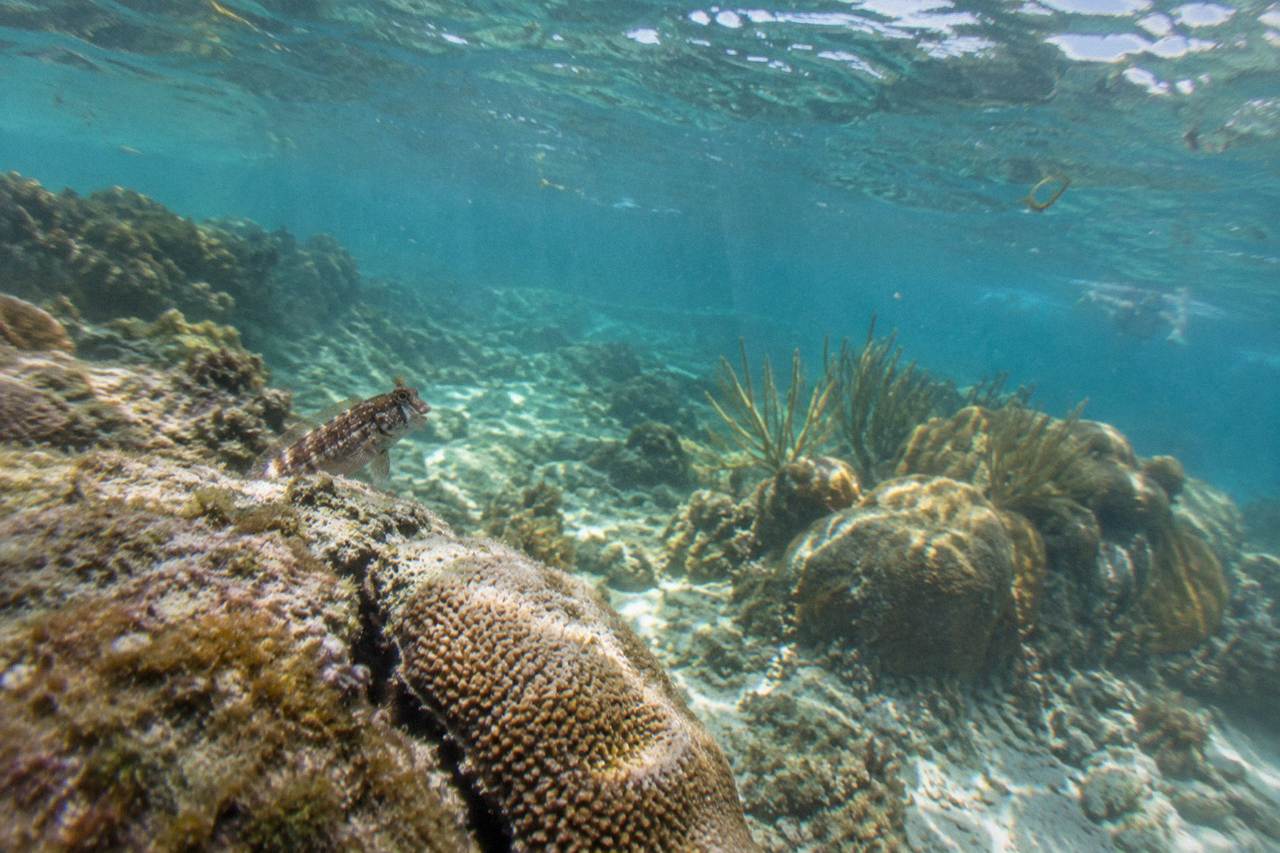
For travelers whose real question is whether the reef looks different from below the surface, the answer is yes, but less dramatically than the marketing implies. The reefs the tours here visit sit shallow: Boca Catalina's colorful fish hold just offshore, and the Antilla wreck's highest points, according to the Antilla Shipwreck Aruba site, reach to roughly 15 feet below the surface, which is why ordinary snorkelers can see the superstructure from above. A tethered descent brings the reef into closer view, but a good surface snorkeler over the same spot is not missing another world. The snorkeling for beginners guide walks through the mask, fins and floating basics for anyone starting from zero.
Where Can You Try Snuba In Aruba?
In Aruba, the one venue the operator's own page connects to snuba is De Palm Island, which offers Snuba alongside Sea Trek as a paid add-on to its day pass, a pass that also bundles the ferry, lunch, an open bar for adults, snorkel gear, and two daily guided snorkel tours. No standalone snuba tour appears in the listings covered here, and the operator's page prints no price, age, or check-in details for the add-on.
De Palm Island is a private island venue a short ferry ride from the mainland, and the day pass alone is a full snorkel product before any add-on: the operator's page lists the transfer, lunch, adult open bar, gear and the two guided snorkel tours, plus a water park that makes the venue popular with families. Sea Trek, the helmet-walk format where you descend a ladder with air pumped into a helmet, is the other add-on and suits travelers who want to be fully below the surface without even a regulator in their mouth. The Sea Trek helmet walk guide compares that format in detail, and it is worth reading before paying for either add-on, because the two experiences overlap in spirit while feeling completely different in the water.
What this means practically is that a snuba-curious traveler in Aruba is choosing between a venue day built around the add-on, and one of the boat-based tours listed here. The venue route bundles more into one ticket. The boat route delivers the reef sites the island is famous for, the Antilla wreck above all, with a crowd of formats from luxury catamaran to kayak.
Cruise passengers and short-stay visitors should weigh the time cost honestly. A venue day with a ferry transfer and a water park is a half-day-plus commitment, while the Malmok Charters glass bottom boat covers three snorkel sites in 1 hour 30 minutes, from $60 per person, with a 5.0 rating from 47 reviews and up to 10 guests on board. If the underwater-window idea is what draws you to snuba, seeing the reef through a glass bottom while others snorkel beside you is the fastest version of it on this site, and the operator lists free cancellation. If someone in your party is expecting, this look at what Aruba operators say about snuba during pregnancy covers the questions worth asking before you commit to any in-water activity.
Not ready to commit to any format? The Octopus afternoon catamaran is a middle path worth a look: three snorkel stops including the Antilla wreck, lunch, an open cocktail bar, restrooms on board and a certified first responder among the crew, from $74.99 per person, 4.7 from 657 reviews, with free cancellation listed on the listing.
Which Listed Tours Come Closest To The Snuba Feeling?
Two listed tours come closest to the snuba experience: the Seabob tour over the Antilla wreck and the small-group sea scooter snorkel at Mangel Halto. The Seabob tour carries up to 15 guests from $120 per person with hotel pickup listed, while the sea scooter trip caps groups at six from $100 per person. Neither allows underwater breathing, but both add powered forward motion through the reef.
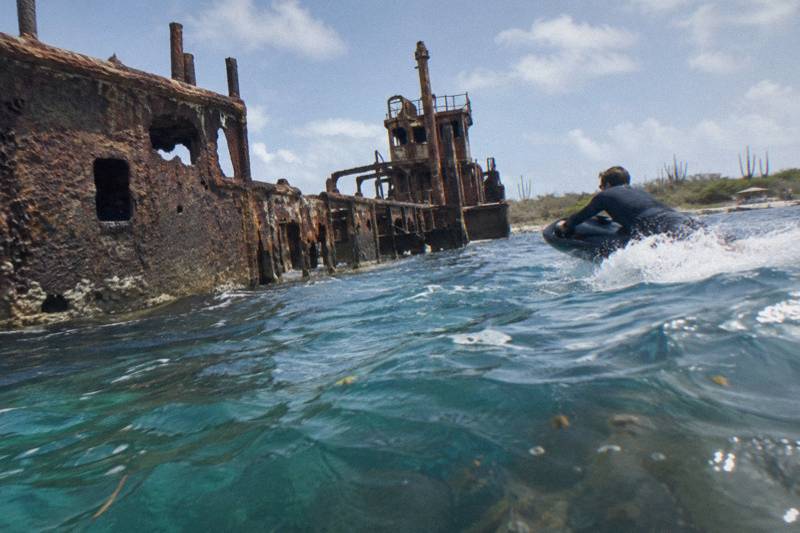
The Seabob format is the stronger of the two for wreck-focused travelers. The listing describes SEABOB underwater scooters, a stop at the Antilla, professionally trained guides, hotel or port pickup and drop-off, and a cap of 15 guests, from $120 per person with a 4.9 rating from 225 reviews. Riding a scooter over a 398.3 ft German cargo ship that was scuttled in January 1940, its bow and superstructure about 15 feet down according to the Antilla Shipwreck Aruba site, delivers the "moving through the wreck scene" feeling that draws people to snuba, without a hose or a regulator. The Antilla shipwreck snorkeling guide covers the wreck's history and how its shallows treat snorkelers.
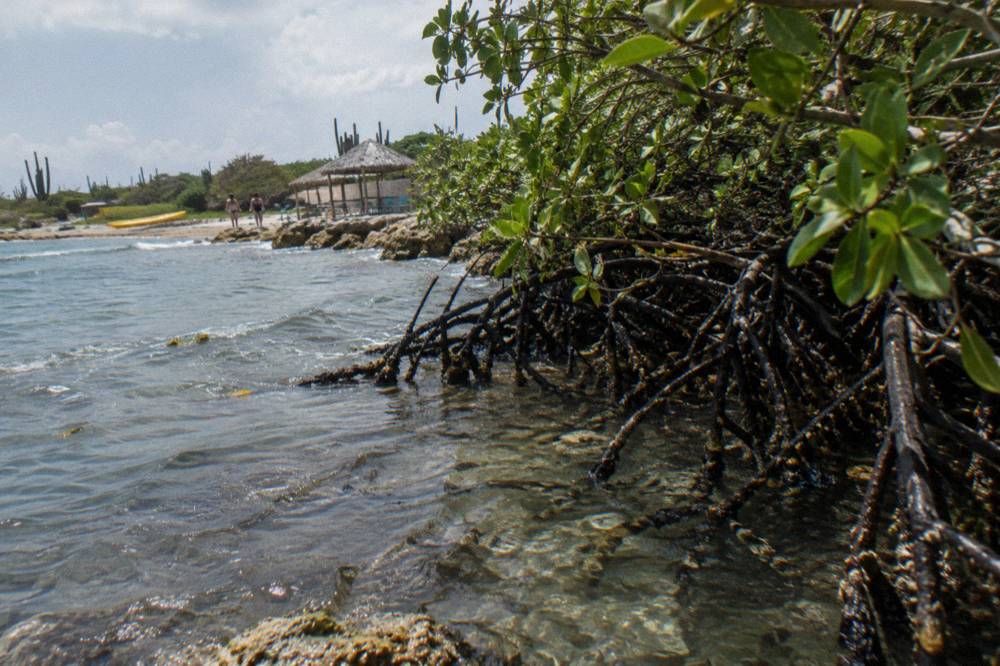
The sea scooter trip at Mangel Halto takes the same idea to the island's quiet south coast. Aruba Bob's small-group listing caps the trip at six guests, includes pictures, runs 2 hours 30 minutes from $100 per person, and carries a 5.0 rating from 438 reviews, one of the strongest review pools on this site. Mangel Halto itself is a quiet mangrove-fringed area with calm water and reef close enough to reach from shore, which is why it also hosts the kayak listings. The scooters keep a group moving along that reef for the full session.

| Listed tour | Format | Price basis | Duration | Group cap | Rating |
|---|---|---|---|---|---|
| Antilla Shipwreck Seabob Tour | SEABOB underwater scooters, Antilla stop | from $120 per person | 2 hours 30 minutes | up to 15 guests | 4.9 from 225 reviews |
| Small-Group Sea Scooters Snorkel at Mangel Halto | Sea scooters at Mangel Halto | from $100 per person | 2 hours 30 minutes | up to 6 guests | 5.0 from 438 reviews |
| Aruba Snorkel Sites by Glass Bottom Boat | Glass bottom boat, 3 sites | from $60 per person | 1 hour 30 minutes | up to 10 guests | 5.0 from 47 reviews |
A fourth option deserves a mention for travelers who want motion without motors. Vale's Rambo Adventures runs a kayak and snorkel outing at Mangel Halto, ocean kayaks with fins in all sizes including kids' sizes, a live guide in English, Spanish and Papiamento, local fruit and bottled water, capped at 15 guests from $99.99 per person. It is new on the scene with a single review so far, so no star claim applies, but the paddle-out-then-snorkel structure is another way to make the reef visit active rather than passive. The non-swimmer options and glass bottom guide rounds out the picture for anyone in the group who prefers to stay dry.
Can You Combine Underwater Thrills With A Regular Snorkel Cruise?
Yes, in the sense that several listed cruises pair a standard snorkel stop with extras that change the experience. Three of the four Spronk catamaran sailings list stand-up paddleboards at the swim stops, the Red Sail half-day trip adds a Caribbean lunch, and Pelican's morning sail builds in a premium champagne brunch. None of them offer breathing below the surface, but all of them turn the water time into more than floating.
The Spronk sail-and-snorkel listing is the clearest example: alongside the WW2 shipwreck stop and turtle snorkeling it lists SUP boards and a choice of full mask or traditional snorkel masks, from $119 per person with a 4.7 rating from 80 reviews, capped at 35 guests with a BBQ lunch and all alcoholic beverages included. Paddling a kayak out from Mangel Halto and snorkeling where you stop is a different animal from hanging off a boat ladder, and it is included rather than an add-on. The departure point sits behind Lucy's Retired Surfer Bar in Oranjestad, which suits visitors staying in the capital.
The Flagship schooner listings carry rope swings and onboard restrooms on a classic schooner, a texture no catamaran matches, though they are thinly reviewed at this stage and no star claim is fair. The mainstream choice for a three-stop cruise with everything included is the Palm Pleasure morning sail: Antilla, Boca Catalina and Arashi, lunch buffet, open bar, gear and local taxes, from $124 per person, 4.7 from 708 reviews, up to 80 guests aboard a named catamaran departing De Palm Pier on Palm Beach.
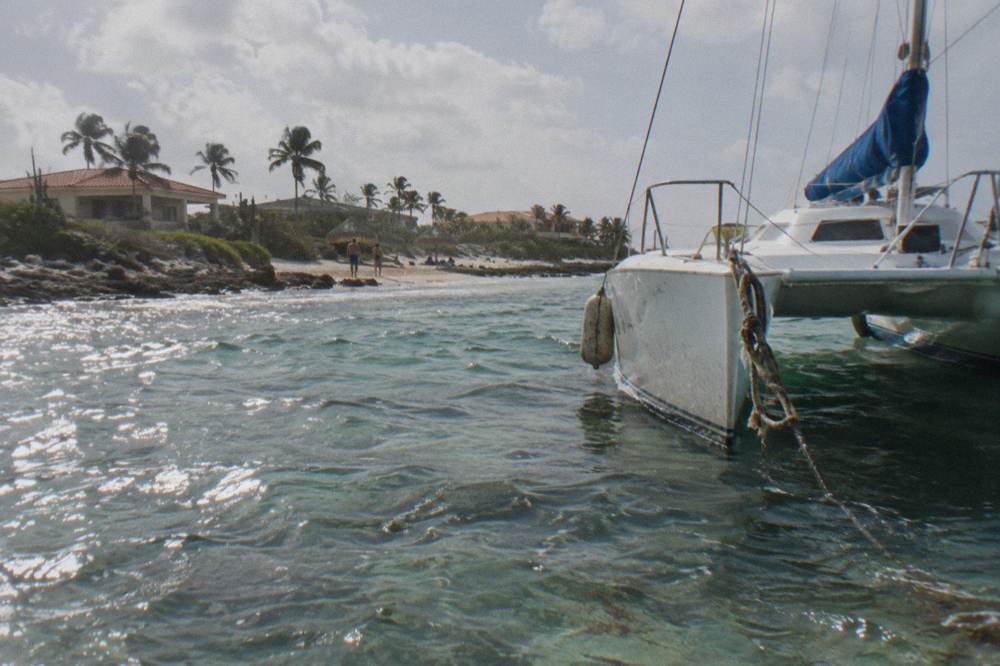
For a private version of the same idea, the Octopus private snorkel excursion lists rum punch, bottled water, soft drinks, hotel pickup and a Malmok stop, from $140 per person for a 2 hour private trip, 4.9 from 610 reviews. Private here means your own guide and boat, and the per-person basis is worth noting against the two genuinely per-group listings on this site, which the cost section below untangles. The snuba versus snorkel question gets a direct answer on the blog for readers still weighing difficulty.
What Do These Options Cost Compared Side By Side?
Shared snorkel trips run $57 to $179 per person, private charters start at $95 per person, and the two boats priced by group begin at $398 and $900; snuba has no listed price since nothing on this site sells it. The gap reflects format and inclusions, with the cheapest option a 5 hour beach-hop bus tour and the priciest a 4 hour catamaran with buffet and open bar.
Comparing shared trips is straightforward because every one is priced per person. The beach-hop tours anchor the low end: El Tours runs Mangel Halto and Baby Beach by open air bus with hotel pickup from $57, 4.5 from 308 reviews. Nautilus covers the same two beaches from a dive-center base: the eight-guest listing starts at $115 per person, the ten-guest listing at $95, both rated 4.6. The catamaran cruises with full catering sit at the top of the shared range, and the powered alternatives, sea scooters and Seabob, land in the middle at $100 and $120.
| Listing | Trip type | Price | Basis | Duration |
|---|---|---|---|---|
| Mangel Halto and Baby Beach by open air bus | Beach hop | from $57 | per person | 5 hours |
| Dolphin Catamaran Snorkel | Sail and snorkel | from $69 | per person | 3 hours |
| Octopus Afternoon Catamaran | Sail and snorkel | from $74.99 | per person | 3 hours |
| Sea Scooters at Mangel Halto | Small group scooters | from $100 | per person | 2 hours 30 minutes |
| Antilla Wreck Seabob Tour | Powered wreck tour | from $120 | per person | 2 hours 30 minutes |
| Palm Pleasure Morning Sail | Sail and snorkel | from $124 | per person | 4 hours |
| Private Boat for 6 (Delphi) | Private charter | from $398 | per group | 2 hours |
| Private Boat, Wreck and Turtles (Malmok) | Private charter | from $900 | per group | 3 hours |
The private rows need their basis stated plainly, which the table does: $398 for up to six guests and $900 for up to ten are whole-boat figures, not per-person ones, so a full group can bring the per-head cost below several shared cruises. Other listings marked private are priced per person, including the Octopus trip at $140 and the Underdog Divers private turtle snorkel with an edited video included, from $95 per person with a 4.9 rating from 761 reviews. Never read a per-group and a per-person figure as the same kind of number.
One cost that applies to every visitor arriving by air, whatever they book, is Aruba's $20 Sustainability Fee, paid through the ED card before travel; residents, children under 8 and cruise ship passengers are exempt, per the official tourism entry-requirements page. It is a small line item next to any tour, but budget travelers adding up a week of outings should know it exists.
What Should You Know Before Choosing Either Format?
Check the marine forecast the morning of any boat day, use mineral-based reef-safe sunscreen because sunscreens containing oxybenzone are banned in Aruba, and never touch or feed marine life including the turtles at Tres Trapi: these rules apply to snorkelers, scooter riders and snuba divers alike. Check the cancellation terms on the listing before you book, since free cancellation takes the sting out of a weather-driven change where it applies.
The Aruba meteorological service publishes a marine forecast with wind speed in knots, wave height by coast and shower chances, and the protected south and west coasts where most tours operate generally run calmer than north-facing shores; checking it on the morning of a trip tells you whether a hose-tethered or surface day will be pleasant or a slog. Beyond weather, the reef rules are the ones that matter most to first-time visitors. The official Aruba guidance bans oxybenzone sunscreens, asks for mineral-based reef-safe alternatives, and is explicit that fish, turtles and seabirds must not be fed, that shells, sand and coral stay in nature, and that marine life is not to be touched or picked up. A turtle swimming past at Tres Trapi is the highlight of most trips, and the correct response is to hold position and let it pass. The reef-safe sunscreen guide covers product choices, and the what to bring guide handles the rest of the bag.
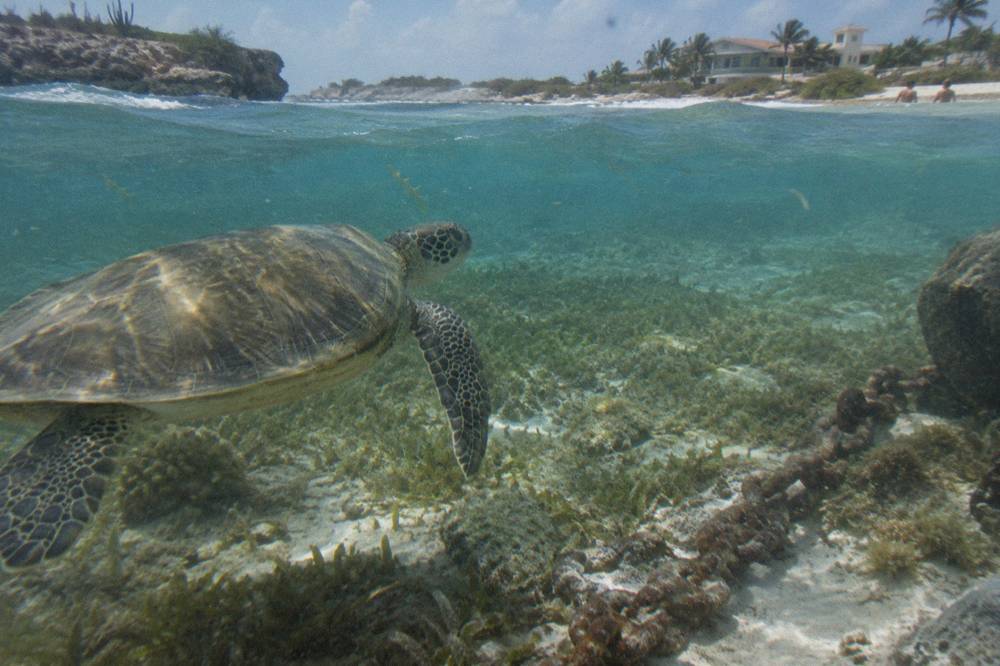
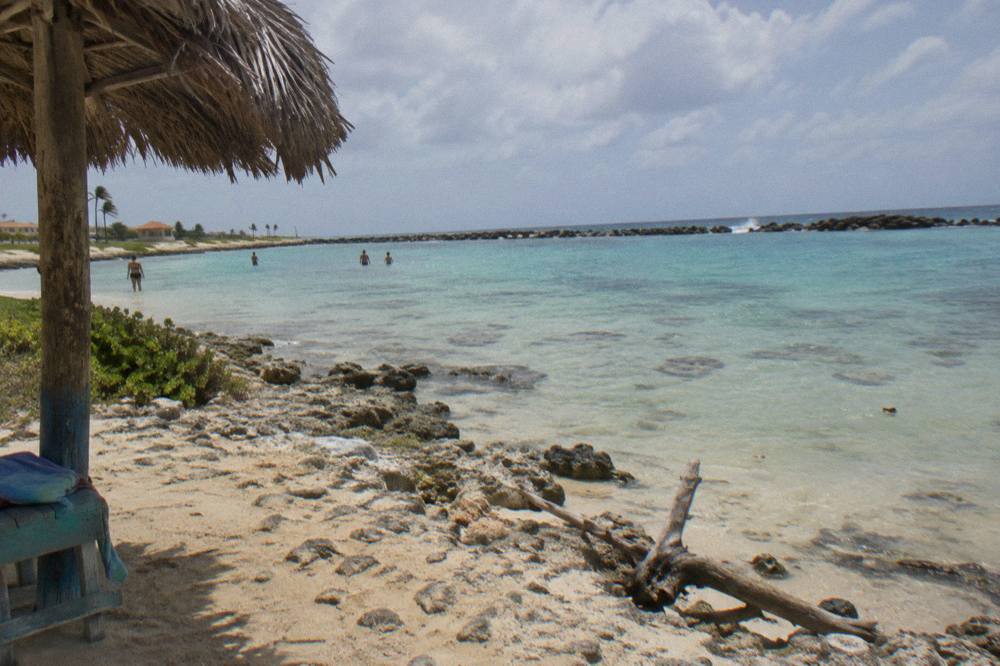
Depth anxiety deserves a direct word. Some travelers chase snuba because open water below them feels intimidating from the surface, and the reassuring fact is that most of Aruba's listed snorkel action happens in water shallow enough that the bottom is visible: Baby Beach is a shallow, lagoon-style bay the official beaches page calls ideal for kids and beginner snorkelers, Boca Catalina holds its colorful reef fish just offshore, and Mangel Halto offers calm, uncrowded water beside the mangroves. The glass bottom boat and non-swimmer options exist precisely for travelers who want the reef without the swim. Aruba's beaches are all public and free to enter, so a cautious traveler can practice in the shallows at Arashi or Boca Catalina with their own gear before committing to any boat.
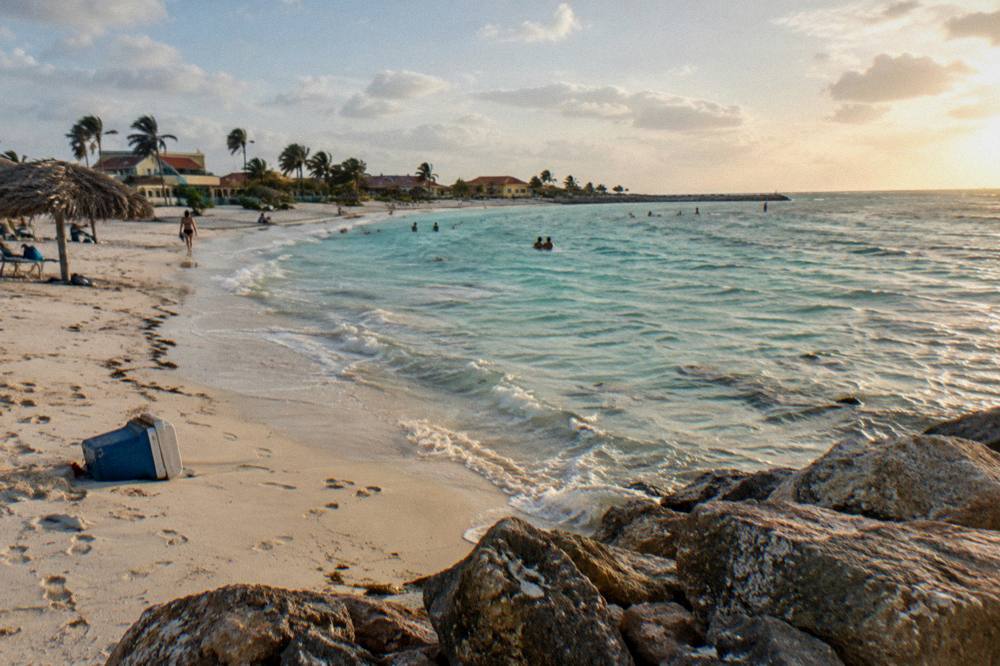
The bottom line for the snuba-curious: the format is real and it is fun, but in Aruba today it lives inside one venue's add-on menu, while this site's listings offer a wider spread of ways to get below or through the water. Pick the format that matches your comfort in the water, read the listing's own inclusions before booking, and hold the spot with free cancellation while you check the forecast.
Common Questions About Snuba In Aruba
What Is Snuba?
Snuba is surface-supplied air diving: a tank floats on a raft at the surface and a hose carries air to a regulator in your mouth, so you swim a short way below the surface with no tank on your back and no scuba certification. The hose sets the depth and range limits, and a guide stays with the group.
Can You Do Snuba In Aruba?
Snuba appears in Aruba as a paid add-on at De Palm Island, which the operator's page lists alongside Sea Trek, on top of a day pass that already includes ferry transfer, lunch, adult open bar, snorkel gear and two daily guided snorkel tours. No standalone snuba tour is among the listings covered here.
Is Snuba Harder Than Snorkeling?
Physically it is similar, but breathing through a regulator underwater takes adjustment that surface snorkeling never demands. Snuba trades the total freedom of the surface for time below it. Travelers unsure about breathing underwater get a closer feel from a full-face snorkel mask, which several Spronk listings include as a choice.
What Is The Closest Listed Alternative To Snuba?
The Antilla Shipwreck Seabob Tour propels you over the wreck with underwater scooters from $120 per person, and the small-group sea scooter snorkel at Mangel Halto pulls six guests maximum along the reef from $100 per person. Neither involves breathing underwater, but both replace passive floating with powered motion.
Can Non-Swimmers See The Reef Without Snuba?
Yes. The Malmok Charters glass bottom boat covers the Antilla wreck, Boca Catalina and Tres Trapi in 1 hour 30 minutes from $60 per person, rated 5.0 from 47 reviews, so you can sight the reefs without getting in the water. De Palm Island's Sea Trek helmet walk add-on is a third route.
Do The Tours Here Include Snorkel Gear?
Many listings here state snorkel equipment among their inclusions, from catamaran cruises to kayak and glass bottom trips, but check the live listing before you book. Instruction appears only where a listing says so, such as the Red Sail half-day, which lists instruction on request. Bring or buy reef-safe sunscreen, since oxybenzone products are banned in Aruba.