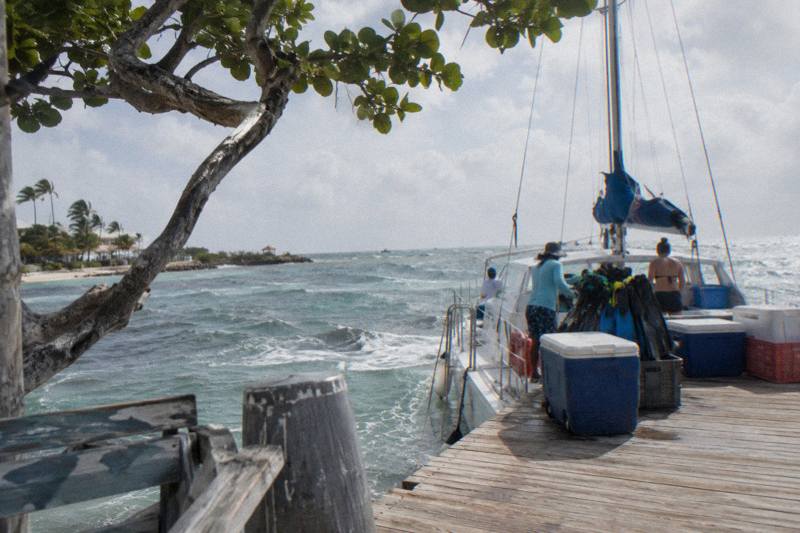
Snorkeling In Aruba For Beginners: Which Trip To Pick
Aruba's west and south coasts give beginners calm, protected water, and guided snorkel trips vary in what they include, so check each listing for gear and instruction. The planning work is picking the right trip: a short sail, a glass bottom boat, or a beach-based lesson, each with different trade-offs.
Short answer
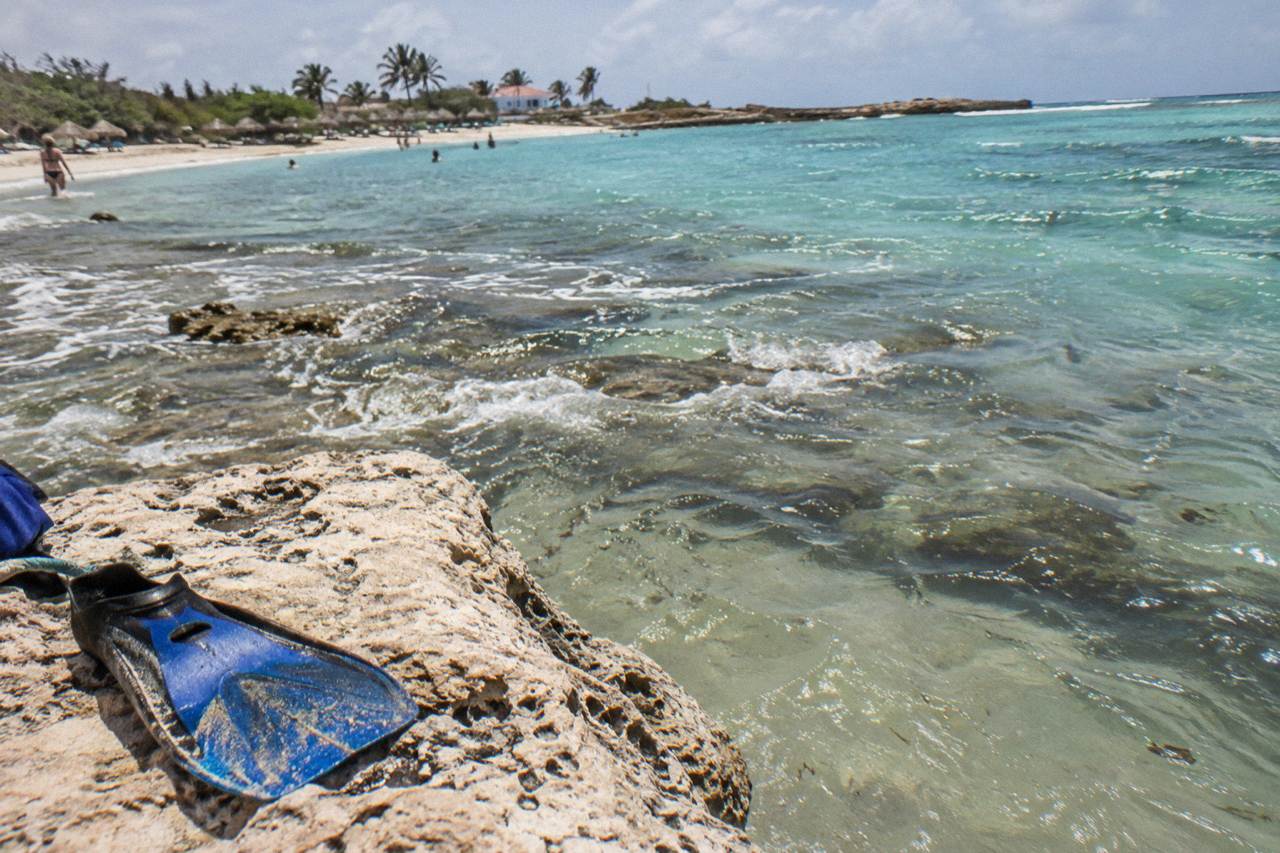
Beginners are best served by guided trips that include gear and instruction. The Pelican Sail and Snorkel runs from $67 per person, 2 hours 30 minutes, gear included, 4.8 from 531 reviews. The glass bottom boat from Malmok runs from $60 per person. Shore starts are free at public beaches like Boca Catalina and Mangel Halto.
Aruba sits outside the hurricane belt, and its west and south coasts are the calm, protected sides of the island, which is exactly why first-time snorkelers keep ending up here. The tourism authority's beaches page describes those coasts as good for swimming and snorkeling, while the east and north coasts face open sea with stronger wind. For a beginner, that geography does half the work: you want the leeward water, and almost every guided trip on the island launches from it.
The wind numbers back this up. Monthly mean wind speeds recorded at the airport range from 5.8 m/s in October and November to 8.7 m/s in June, and the protected coastal sections run calmer than those airport readings suggest. Rain is also a modest factor: Oranjestad averages just 1.5 rainy days of a millimeter or more in April and 2.0 in March, against 11.0 in December, so the dry spring months give a beginner the highest odds of a calm, bright morning on the water.
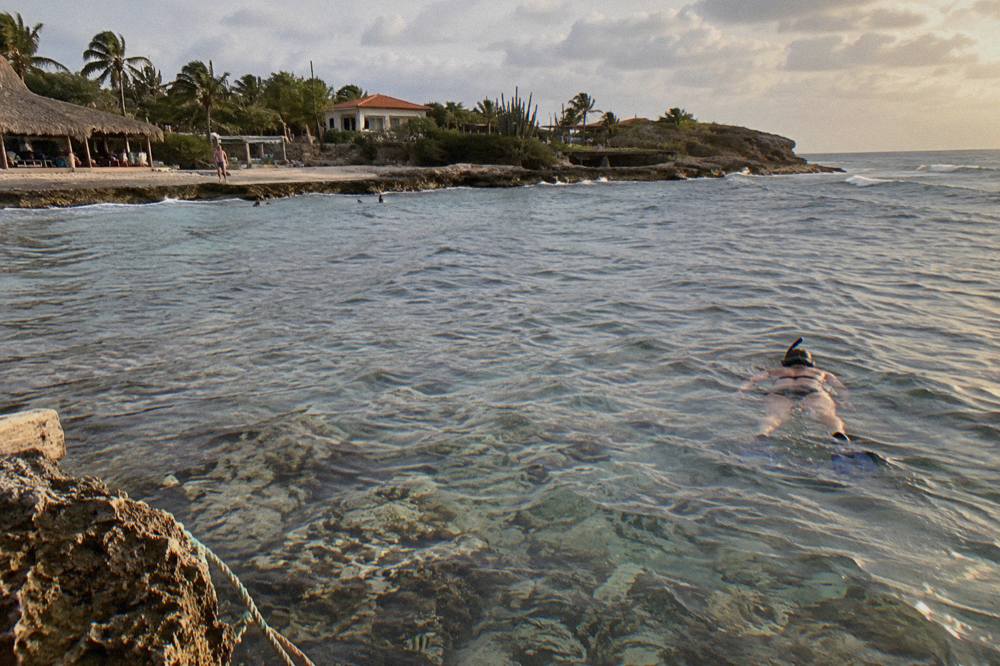
The other half of the work is choosing between a boat trip, a shore start, or something in between. This guide walks through the questions a first-timer actually asks: which trips suit beginners, whether you need to swim well, what to bring, where to start from the sand, and what the island's reef rules expect of you.
What Makes Snorkeling In Aruba Good For Beginners?
Aruba's leeward coast gives beginners calm, shallow, protected water, warm sea temperatures that never drop below an average of 79 F, and a dense supply of guided trips that include gear and instruction in the ticket price, so a first-timer can start without owning a single piece of equipment.
The sea temperature in Oranjestad averages between 79.0 F in February, the coldest month, and 84.6 F in October, the warmest. There is no month that requires a wetsuit for comfort on the surface, which removes one of the usual beginner anxieties before it starts. Wind is the other factor: monthly mean wind speeds at the airport run highest in June at 8.7 m/s and lowest in October and November at 5.8 m/s, and the protected west coast sections run calmer than the exposed north side regardless.
Instruction matters more than equipment. Several listings covered here state instruction on request or explicitly in their inclusions, and the difference between a trip that hands you a mask and one that shows you how to clear it is the difference a nervous first-timer notices. The aruba.com responsibility guidance also asks snorkelers not to touch marine life, which beginners should read before their first reef, not after. Knowing who actually lives on the reef makes that distance easier to keep, so skim our guide to the fish, turtles, and reef life around Aruba before you get in the water.
Then there is the sheer density of choice. The tours covered on this site alone span ten sail-and-snorkel cruises, seven shipwreck and turtle cruises, four private charters, four small-group turtle trips, four kayak and glass bottom outings, and four beach-hop tours. A beginner does not need to survey all of them; the point is that short, cheap, gear-inclusive options exist in every family, so nobody has to book a 5-hour outing to try snorkeling for the first time. If you'd rather sort by departure point than tour type, the guide to snorkeling trips leaving from Palm Beach explains which piers the boats use and what each stop is like.
For trip format, the guide to shore snorkeling versus boat tours breaks the trade-off in detail, but the short version: boats reach the Antilla wreck and deeper reef, shore entries let you quit whenever you want.
Which Aruba Snorkel Tours Suit First-Time Snorkelers?
Beginners fit three formats best: a short catamaran sail with gear and instruction included, a small glass bottom boat with only 10 guests, or a two-stop snorkel cruise under 3 hours. Shorter trips from $60 to $70 per person let a first-timer test the water, literally, before committing to a half day.
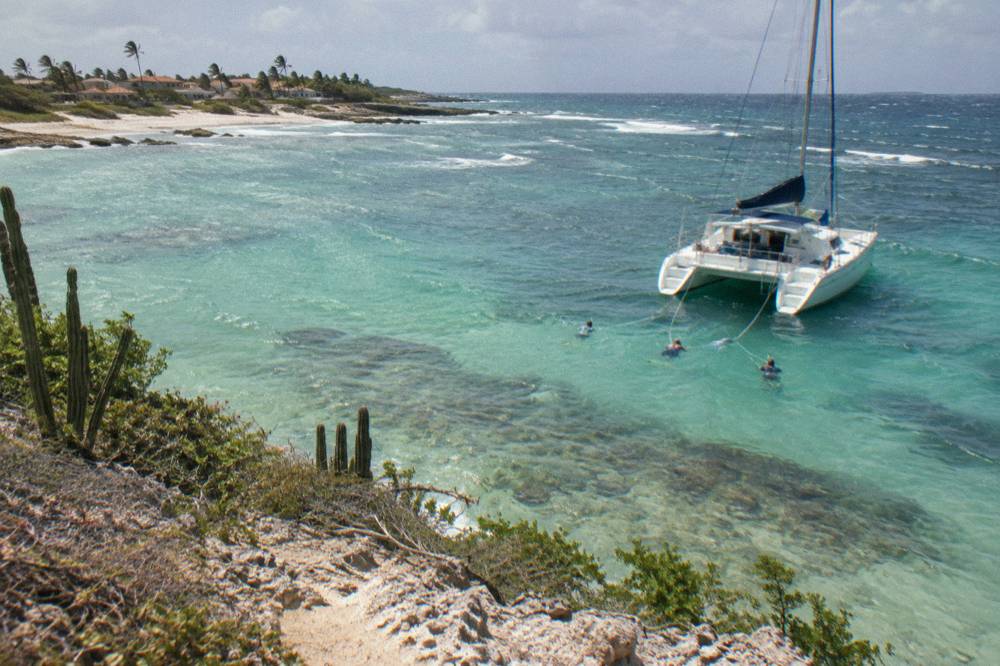
The Pelican Sail and Snorkel, formally listed as the Iconic Aruba Sail and Snorkel Experience, is the shortest full-service option on this site: from $67 per person, 2 hours 30 minutes, rated 4.8 from 531 reviews, with snorkel equipment, unlimited drinks and snacks listed as included, and free cancellation on the listing. It departs Pelican Pier on Palm Beach and carries up to 60 guests. For a beginner, the pitch is simple: gear and guides are in the ticket, and if the ocean disagrees with you, the pier is close.
Pelican Aruba runs the 2 hour 30 minute trip with free cancellation; current stops, included gear, drinks, and any minimum age are set out on the live booking page. That combination, a wreck and a calm bay on one short ticket, is the standard beginner route around the island's northwest point, and it is worth checking the live listing for your date since schedules shift with the season.
The same operator's two-stop cruise, listed as Aruba: Sailing and Snorkeling Experience with Drinks, runs 2.5 hours from $70 per person, rated 4.7 from 102 reviews, with stops at Boca Catalina and the Antilla wreck, hors d'oeuvres and an unlimited open bar listed. The stops are the classic beginner pair: a calm bay first, a wreck second. The listing also mentions sunbathing trampolines, which gives a nervous guest somewhere pleasant to be while deciding whether to get in.
If crowds are the worry rather than the water, small-craft options shrink the group dramatically. Malmok Charters' glass bottom boat takes up to 10 guests for 1 hour 30 minutes from $60 per person, rated 5.0 from 47 reviews, visiting the Antilla wreck, Boca Catalina and Tres Trapi, with gear and bottled water included. The glass bottom does double duty for beginners: non-swimmers aboard can still see the reef through the hull while the swimmers snorkel, a format covered more fully in the glass bottom boat guide.
The table below compares the beginner-friendliest formats on this site side by side.
| Trip | Format | From | Duration | Group size | Gear and instruction |
|---|---|---|---|---|---|
| Iconic Aruba Sail and Snorkel Experience | Shared sail, Palm Beach | $67 per person | 2 hours 30 minutes | Up to 60 | Gear included, guides listed |
| Aruba: Sailing and Snorkeling Experience with Drinks | Shared catamaran sail | $70 per person | 2.5 hours | Not stated | Gear and guides listed |
| Aruba Snorkel Sites by Glass Bottom Boat | Glass bottom boat, Malmok | $60 per person | 1 hour 30 minutes | Up to 10 | Gear included |
| Small-Group Sea Scooters Snorkel at Mangel Halto | Sea scooter session, Savaneta | $100 per person | 2 hours 30 minutes | Up to 6 | Gear and pictures included |
| Turtle Spotting Snorkel Tour with Pickup | Shore-based tour, Tres Trapi | $99 per person | 2 hours | Up to 6 | Gear, instruction and hotel pickup listed |
Since some trips include gear while others leave it vague, the guide to snorkel gear rental in Aruba helps you figure out whether to pack your own or count on the tour.
One more beginner-specific pick: the sea scooter session at Mangel Halto, rated 5.0 from 438 reviews, puts only 6 guests in the water with powered scooters that do the swimming for you, from $100 per person. It is a different sensation from classic snorkeling, and some first-timers find the scooter's pull more comfortable than finning. A different operator, Octopus Snorkeling, Sailing & Sunset Tours, runs an afternoon catamaran from $74.99 per person, rated 4.7 from 657 reviews, with lunch and an open bar listed, giving a mid-size option between the larger snorkel sails and the small-group scooter sessions.
Duration deserves as much thought as group size. A 2.5-hour trip gives a beginner a workable rhythm: enough time to learn the mask and get comfortable in the water, a sail between swims, and usually a wish to do it all again. A 4-hour or 5-hour trip multiplies the water time and adds a meal, which suits confident beginners but can overwhelm a first-timer on a hot afternoon.
Do You Need To Know How To Swim To Snorkel In Aruba?
No listing on this site states a swim requirement, but every snorkel trip involves open water, so weak swimmers should choose small groups, shore-based formats, or boats with non-swimmer viewing like the glass bottom option, and should ask the operator directly about life jackets and support before booking.
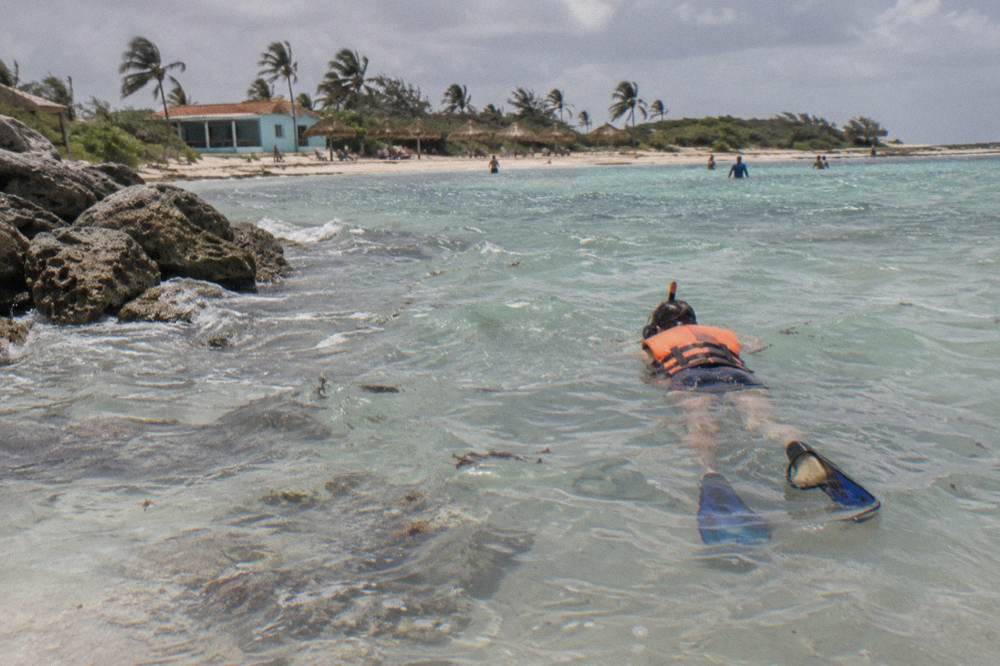
The listings do state some of what a nervous swimmer needs. The Iconic Aruba Sail lists snorkelling equipment and professional guides among its inclusions. The Banana Adventure Catamaran, from $65 per person and rated 4.8 from 231 reviews, carries up to 36 guests with lunch and gear included. The Octopus afternoon catamaran, from $74.99 per person and rated 4.7 from 657 reviews, lists safety life jackets, snorkel instruction and a certified first responder among its inclusions, up to 34 guests. Those are stated facts from the listings, and a beginner who wants that combination should weigh it heavily.
For true non-swimmers, the covered ground is in the guide to non-swimmer options: the glass bottom boat from Malmok keeps you dry, with the viewing panels doing the looking as it passes over Aruba's snorkel sites. Beyond that, the listings covered here do not state pregnancy restrictions or mobility accommodations; ask the operator before booking rather than assuming.
The honest planning advice: a shore start at a calm bay is the most forgiving first snorkel of all. You control the depth, you control the exit, and the reef at Boca Catalina sits just offshore. Confidence in the water also has practical limits worth respecting. A beginner who panics in water over their head will not enjoy a wreck stop, since the Antilla sits in open water reached by boat. Tours built around the shore sites at Mangel Halto and Baby Beach keep you near land throughout. Pick a trip that matches your confidence in the water, not just your budget. Nobody should feel obligated to leave the boat; watching a wreck through glass or from the surface is still a good morning.
Cruise passengers have one extra consideration: many Antilla trips are half-day outings, and the listings do not state return times that fit every port call. Check your ship's all-aboard time against the trip's stated duration before booking, not after.
What Should Beginners Bring And Wear On A Snorkel Trip?
Bring reef-safe mineral sunscreen, a swimsuit worn under clothes, a towel, water, and dry clothes for after; most trips supply the mask, fins and snorkel, and Aruba bans sunscreens containing oxybenzone, so the standard lotion from home may not be usable on the island.
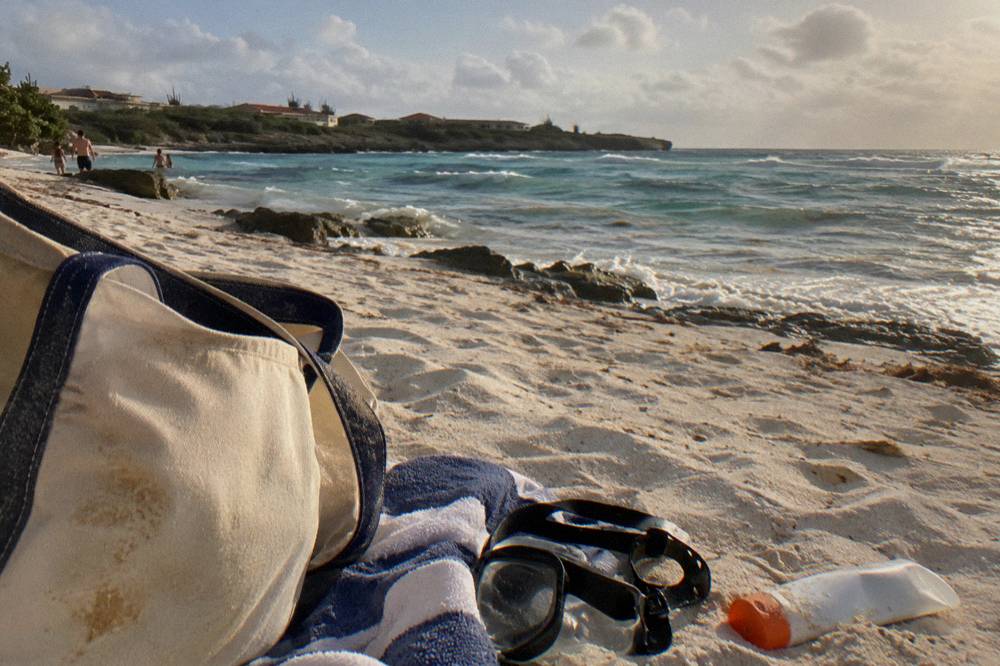
The sunscreen point is not a suggestion. Aruba's official guidance states that sunscreens containing oxybenzone are banned and mineral-based reef-safe sunscreen is advised; the same guidance asks visitors not to feed fish, turtles or seabirds, to leave shells, sand and coral in nature, and not to touch or pick up marine life. The full background is in the site's reef-safe sunscreen guide. Buy the mineral product before you fly or budget for it on the island, because the bottle in your bathroom at home is likely the one that is not allowed in the water.
Gear need not be a worry on a guided trip: check each listing to confirm whether snorkel equipment is included in the price. Owning your own mask matters only if you plan shore sessions, a decision the snorkel gear rental guide covers. What trips do differ on is food and drink, and that difference shapes what you carry aboard. A trip that lists a lunch buffet means you leave the sunscreen and a towel and nothing else; a trip with no meal listed means you want water and something to eat afterward. The table shows what three beginner-suitable tickets actually list.
| Trip | Meal listed | Drinks listed | Hotel pickup listed |
|---|---|---|---|
| Iconic Aruba Sail and Snorkel Experience | Snacks | Unlimited drinks, open bar | No |
| Half-Day Snorkel Sail Tour with Caribbean Lunch | Caribbean lunch buffet | Open bar | No |
| Mangel Halto and Baby Beach Snorkeling Guided Tour | Not listed | Bottled water | Yes |
| Turtle Spotting Snorkel Tour with Pickup | Fresh fruit | Chilled water | Yes |
Note the pickup column, because it surprises people: most boat trips on this site do not list hotel pickup, and nearly all depart from piers on Palm Beach or nearby, which is walkable from the high-rise hotels but not from Oranjestad or the south coast. The one beach-hop tour in the table is the exception, listing hotel pickup explicitly, which is why it suits beginners staying far from the piers. The rest of the planning pages sit on Aruba Snorkeling Tours.
Water temperature decides what to wear in the water. Monthly averages in Oranjestad range from 79.0 F in February to 84.6 F in October, so a swimsuit is enough year-round for most people; a shorty wetsuit is a comfort choice in the cooler months, not a requirement.

The one fee that touches every arriving visitor by air is the $20 Sustainability Fee, paid through the ED Card, with residents, children under 8, cruise passengers and some repeat visitors exempt, per the official entry requirements page. It is paid before you arrive, not at the pier, and no snorkel tour adds it to the ticket.
Where Can Beginners Snorkel From The Shore In Aruba?
Beginners can snorkel free from the sand at Boca Catalina, Arashi Beach and Mangel Halto, all public beaches with no entry fee, reefs close to shore, and calm water on the protected coast; you bring your own gear, since no rental price or guided free option is verified for these spots.
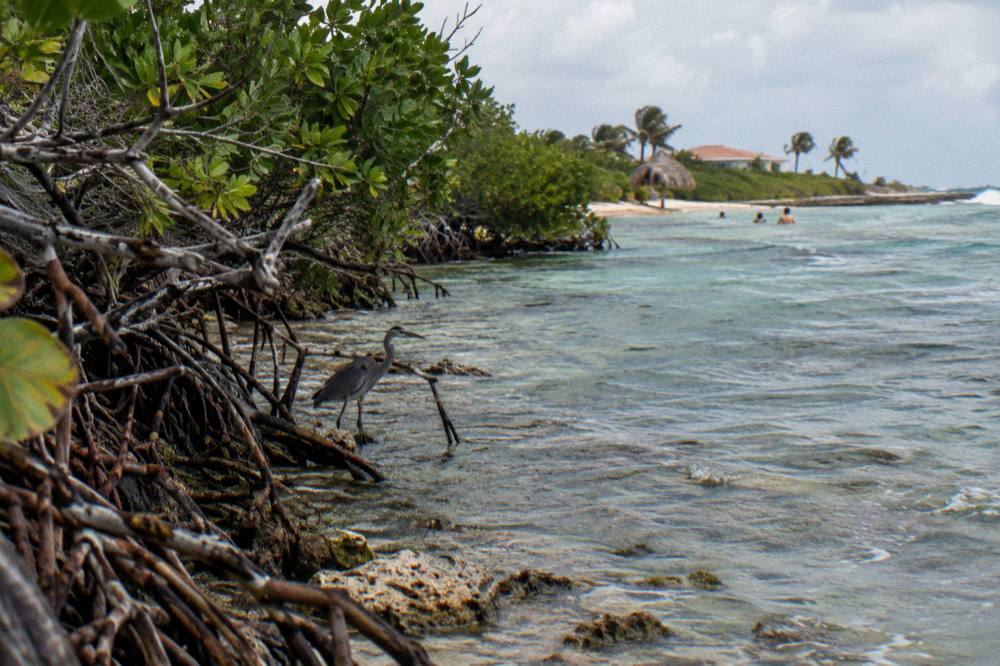
The tourism authority's beaches page describes each of the three: Boca Catalina is a small bay with gentle waves and colorful reef fish just offshore, Arashi Beach near the California Lighthouse is noted for great snorkeling visibility, and Mangel Halto is a quiet mangrove-fringed area with calm water and snorkeling without crowds. Baby Beach, a shallow lagoon-style bay on the southeast tip, is described as ideal for kids and beginner snorkelers. All beaches are public and free to enter.
| Shore spot | Character per the tourism authority | Beginner fit |
|---|---|---|
| Boca Catalina | Small bay, gentle waves, reef fish just offshore | Gentlest first swim |
| Arashi Beach | Great snorkeling visibility, near California Lighthouse | Good on calm days |
| Mangel Halto | Mangroves, calm water, fewer crowds | Quietest, south coast |
| Baby Beach | Shallow lagoon-style bay, southeast tip | Suited to kids and novices |
If Arashi Beach stands out as your pick, our guide to snorkeling at Arashi Beach near the lighthouse covers the shore reef, the boat tours that stop there, and how to plan the day.
Choosing between them is mostly a logistics question. Boca Catalina and Arashi sit at the northwest end of the island, close to the Palm Beach piers and the high-rise hotels, so they pair naturally with a morning boat trip: snorkel the bay from shore at 8 a.m., then sail past it again at noon. Mangel Halto and Baby Beach sit on the southeast side, near Savaneta and Pos Chiquito, roughly a drive from the hotel zone, which is why the beach-hop tours that bundle them list hotel pickup.
The temporary beach guidelines introduced in 2026 keep all of this open: beaches remain public, the sand and swimming stay free for everyone, and only hotel palapas and loungers that are set up and in use, plus leasehold areas, are reserved for guests, per the official guidelines. Find your own patch of sand and the water beyond it is yours.
If you would rather have a guide for your first snorkel, the Aruba: Turtle Spotting Snorkel Tour with Pickup is a 2-hour trip from $99 per person, rated 4.2 across 25 reviews, with pickup included and free cancellation. It is the only covered listing that explicitly names beginner snorkel instruction in its inclusions.
For beginners who want to graduate quickly, the Half-Day Snorkel Sail Tour with Caribbean Lunch, from $107 per person and rated 4.8 from 860 reviews, packs three snorkel stops, a lunch buffet and an open bar into 4 hours aboard a luxury catamaran from Palm Beach, up to 75 guests, with instruction available on request per the listing. It is a step up in commitment from the 2.5-hour trips, and a good second outing rather than a first.
What Do Aruba's Reef Rules Ask Of Beginner Snorkelers?
Beginners must not feed fish or turtles, not touch marine life, leave shells, sand and coral in place, and use mineral reef-safe sunscreen because oxybenzone products are banned on the island.
These rules come from the tourism authority's own guidance for protecting beaches and marine life, published at aruba.com's responsible guest page. They apply everywhere you put your face in the water, from the Antilla wreck to Baby Beach, and they matter most for beginners precisely because new snorkelers grab things when startled. Bread is not part of a fish's diet, the guidance notes, and feeding turtles conditions them to boats and people.
The turtle-specific etiquette is worth spelling out: the listings that visit Tres Trapi, like the Banana Adventure Catamaran with its wreck and turtle swim from $65 per person, will bring you near animals that are entirely used to swimmers. Watching from a respectful distance is both the rule and the better experience, and the site's guide to snorkeling with sea turtles covers the encounter in full.
The rules also cost a beginner nothing in experience. The colorful reef fish at Boca Catalina come close enough to photograph without chum, and the Antilla wreck is visible from the surface without touching a single piece of it, since its bow and superstructure sit about 15 feet down in calm conditions, according to the Antilla Shipwreck Aruba site. The wreck's best visibility runs March to August, that source notes, slightly reduced from December to February by wind and waves.
Weather awareness closes out beginner preparation. Aruba has recorded no direct hurricane hit since 1851 per the tourism authority, though the season runs 1 June to 30 November and weather can still change. The Aruba meteorological service publishes a marine forecast showing wind direction and speed, wave height by coast and shower chances, and checking it the morning of a booked trip is a habit worth forming early. Protected south and west sections run calmer than north-facing coasts, which is one more reason the beginner trips all launch from the leeward side.
The through-line for a first Aruba snorkel: start short, start guided, start on the calm coast. Whether that is the 2.5-hour Pelican sail from Palm Beach, the small glass bottom boat from Malmok, or a free self-guided float at Boca Catalina, the island's layout gives beginners an unusually soft landing.
Common Questions About Snorkeling In Aruba For Beginners
Is Snorkeling In Aruba Good For Beginners?
Yes. The west and south coasts are calm and protected, sea temperature stays between 79 and 85 F year round, and guided trips include gear, with several listing instruction. Shore starts at Boca Catalina, Arashi and Mangel Halto are free and gentle.
What Is The Best Snorkel Tour In Aruba For Beginners?
By criteria, the shortest guided options fit first-timers best: the Iconic Aruba Sail and Snorkel Experience at 2 hours 30 minutes from $67 per person, and the glass bottom boat from Malmok at 1 hour 30 minutes from $60 per person, capped at 10 guests.
Do I Need To Be A Strong Swimmer To Snorkel In Aruba?
No listing on this site states a swim requirement, so check the live listing for what each trip involves before you book. Weak swimmers should pick small groups or shore starts, ask the operator about life jackets, and consider the glass bottom boat, which keeps non-swimmers dry while still showing the reef.
Is Snorkeling Gear Included On Aruba Tours?
Inclusions vary by tour, so check the live listing to see whether gear is covered in the ticket price. Bring your own towel, swimsuit and reef-safe mineral sunscreen; oxybenzone sunscreens are banned in Aruba.
Can Beginners Snorkel From The Beach In Aruba?
Yes. Boca Catalina, Arashi Beach and Mangel Halto have reefs close to shore, and all Aruba beaches are public and free to enter. Bring your own gear, since no verified rental price or free guided option exists for these spots.
Can You See Turtles While Snorkeling In Aruba?
Several listings visit Tres Trapi, a known turtle spot, but no sighting is ever guaranteed. Rules prohibit feeding or touching turtles; watch from a distance and let the animals come to you.