Fish And Marine Life You Can See Snorkeling In Aruba
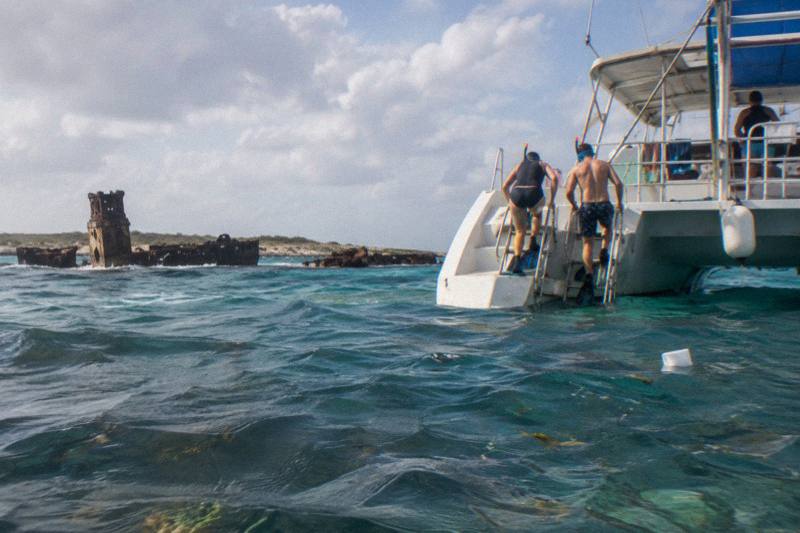
Aruba's reefs sit close to the beach with colorful reef fish just offshore, sea turtles draw snorkelers to Tres Trapi, and snorkel cruises stop at the Antilla shipwreck, a World War II wreck. Here is what lives where, and which trips put you over it.
Short answer
Snorkelers in Aruba most often see colorful reef fish at Boca Catalina and Arashi, sea turtles at Tres Trapi, and reef life around the SS Antilla wreck, whose highest points sit about 15 feet below the surface. The cheapest boat covering all three is the $60 glass bottom trip.
Aruba sits outside the hurricane belt, its west and south coasts sheltered from the trade winds that batter the north shore, and that geography shapes everything a snorkeler sees here. The leeward side holds the calm bays and patch reefs where reef fish concentrate, while the sandy shallows between them grow the seagrass beds that draw green sea turtles to feed. Further out, in Malmok Bay, a German cargo ship scuttled in January 1940 rests on its side and has spent eight decades growing into an artificial reef of its own.
The variety surprises people who expect only blue water and white sand. A single half-day sail can pair a bay snorkel stop with a shipwreck and a turtle swim in one trip, which is why the boat tours cluster along this stretch of coast. One morning trip, Pelican's champagne brunch sail, lists three stops, Malmok, Boca Catalina and the Antilla, in a single 4 hour run. This guide covers what actually lives at each kind of site, which listings reach it, and the island rules that keep the marine life in place.
What Fish And Marine Life Can You See Snorkeling In Aruba?
The three marine life encounters Aruba snorkelers report most are colorful reef fish on the nearshore patch reefs, green sea turtles over the seagrass at Tres Trapi, and the encrusted hull of the SS Antilla wreck, whose bow and superstructure rise to about 15 feet below the surface. No operator can guarantee any sighting, but these are the habitats the tours deliberately visit.
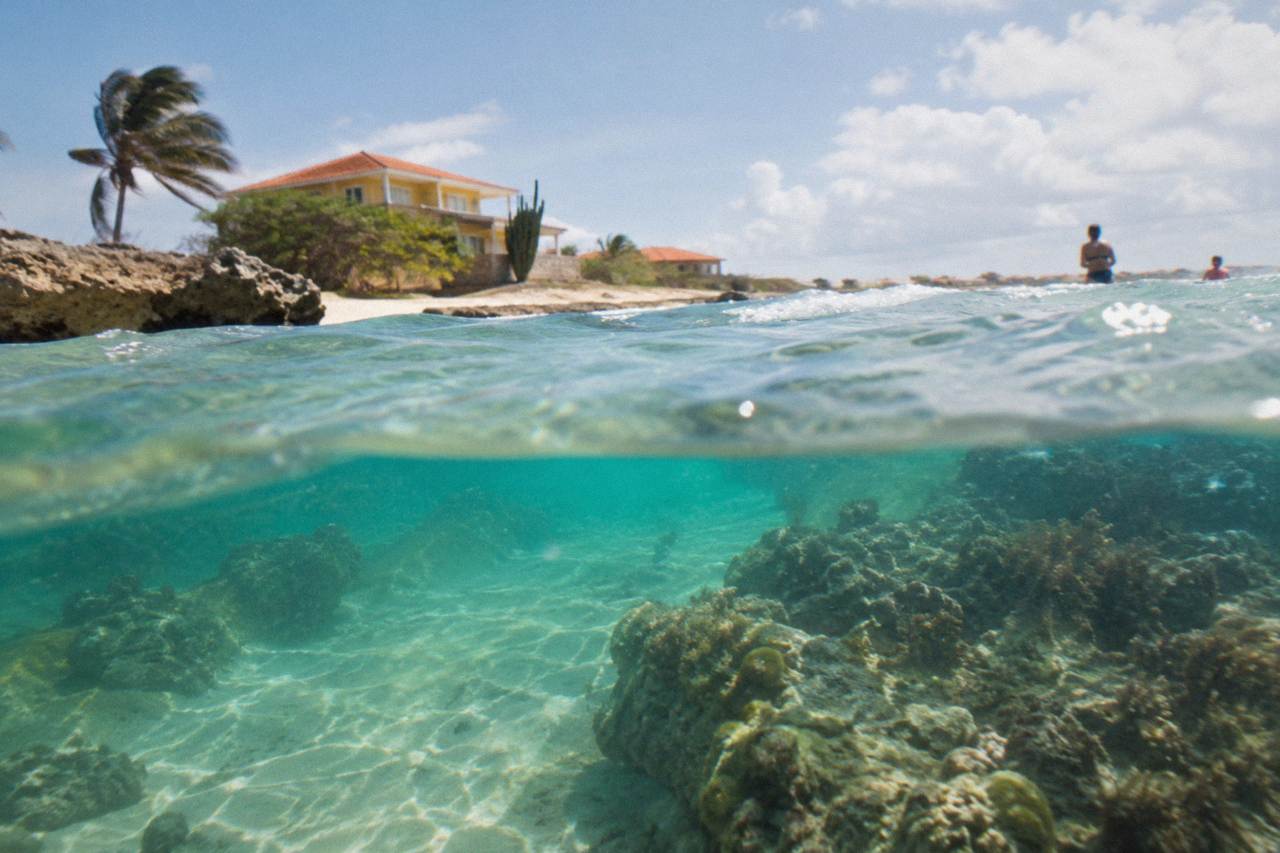
The nearshore bays hold the island's densest fish life. Aruba's own tourism beaches page describes Boca Catalina as a small bay with gentle waves and colorful reef fish just offshore, and Arashi Beach as offering great visibility for snorkeling near the California Lighthouse. These are the stops most beginner-friendly trips choose first, and they tend to suit first-time snorkelers.
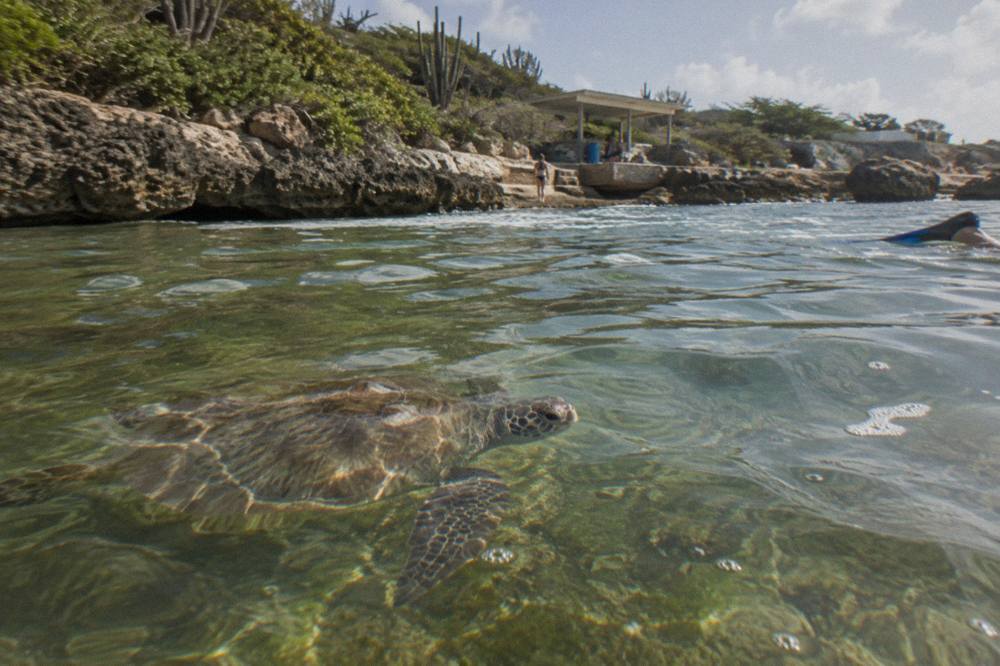
Turtles are the second draw. One listing on this site, a turtle-focused sunset snorkel experience, names Tres Trapi in its title. Sightings are never promised, and operators do not guarantee them; turtle-focused trips simply spend more of their time in the water at sites chosen for turtles.
The wreck is the third. According to the Antilla Shipwreck Aruba site, the SS Antilla lies on its port side on a flat sandy bottom, with its highest points accessible to snorkelers in calm conditions while the hull descends to about 60 feet. Sunk in World War Two, the wreck now works as an artificial reef, and the fish community around it differs from the bays because of that structure and the deeper water it sits in.
Which Reefs Hold The Most Fish Around Aruba?
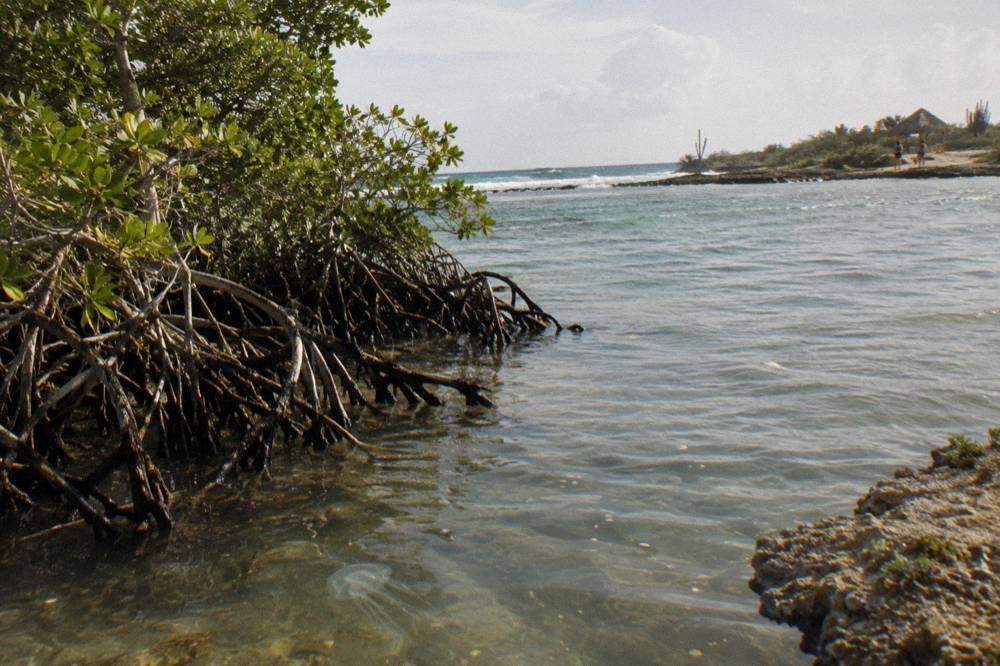
Boca Catalina, Arashi Beach and Mangel Halto are the three shore-access reefs where Aruba's tourism site notes fish and snorkeling directly, all on the calm west and south coasts. Boca Catalina's colorful reef fish sit just offshore, Arashi offers great visibility, and Mangel Halto has calm water and mangrove surroundings without crowds.
The west coast bays, Boca Catalina, Arashi and Malmok, sit within a short sail of the Antilla wreck, which is why nearly every boat tour from Palm Beach and Hadicurari combines one or two of them with the wreck. The Red Sail Antilla Shipwreck and Catalina Bay Snorkel Sail, this site's featured afternoon trip, runs exactly that pairing from Piet's Pier, from $79 per person, with a 4.7 rating from 553 reviews, an open bar and snorkel gear included. The south coast is a different world: Mangel Halto, near Savaneta, is described by the tourism site as a quiet area surrounded by mangroves with calm water and snorkeling without crowds, and Baby Beach on the southeast tip is a shallow, lagoon-style bay called ideal for kids and beginner snorkelers.
Choosing between them comes down to fish density versus fish variety. The west coast bays concentrate reef fish in small, shallow spaces where light reaches the coral. Mangel Halto supports a different mix of snorkel trips, from guided beach-hop tours to sea scooter and kayak outings. Readers comparing the two approaches in depth will find the tradeoffs laid out in shore snorkeling versus boat tours in Aruba, and spot-specific detail in the Boca Catalina snorkeling guide.
| Spot | Coast | What the tourism site says | Reach by tour |
|---|---|---|---|
| Boca Catalina | West | Small bay, gentle waves, colorful reef fish just offshore | Named stop on many sail listings |
| Arashi Beach | West | Great visibility for snorkeling, near California Lighthouse | Named stop on Palm Pleasure sail |
| Mangel Halto | South | Quiet, mangrove-fringed, calm water, no crowds | Sea scooter and kayak tours from $99.99 |
| Baby Beach | Southeast | Shallow lagoon-style bay, ideal for kids and beginners | Beach-hop tours from $57 |
| Tres Trapi | West | Seagrass shallows, turtle habitat | Turtle-focused tours from $95 |
For readers who want the fullest single morning of fish life, the Pelican Morning Snorkel Sail with Premium Champagne Brunch is the most reviewed listing on this site, 4.7 from 2,238 reviews, from $85 per person, and it lists Malmok, Boca Catalina and the Antilla as its three stops. Fewer stops, more time at each is the tradeoff on smaller trips.
Can You See Sea Turtles Snorkeling In Aruba?
Yes, green sea turtles feed in the seagrass at Tres Trapi and several listings take snorkelers there specifically, though no operator guarantees a sighting. Tours with turtle stops run from $95 per person for a private guided swim with video, to $125 for a small-group sunset trip capped at 12 guests.
Tres Trapi is the island's turtle hub. It is a small coastal spot where turtle snorkeling is the main draw, and one sunset turtle snorkel experience lists it by name. The pattern holds across the listings: ten tours on this site name Tres Trapi as a stop. They run from the Underdog Divers private turtle tour, rated 4.9 across 761 reviews and including underwater footage of the swim, to the Spronk catamaran turtle trips, which pair it with a WW2 shipwreck and a sunset barbecue. Feeding the turtles is prohibited under Aruba's reef rules, so these trips watch, not attract.
The right trip depends on how you want the encounter to feel. A private guide with a camera suits people who want one-on-one time and footage, while a catamaran that adds Tres Trapi to a wreck stop suits families who want turtles as part of a bigger day. The dedicated snorkeling with sea turtles guide breaks down every turtle listing on the site side by side.
One listing stands out for logistics: the Turtle Spotting Snorkel Tour with Pickup, 4.2 from 25 reviews, from $99 per person, includes round-trip hotel or Airbnb pickup, reef-safe sunscreen and GoPro media, capped at 6 guests. For cruise passengers or anyone staying far from Noord, that removes the transport question entirely, though the ship's all-aboard time should be checked first.
What Lives Around The Antilla Shipwreck?
The SS Antilla, a 398.3 ft German cargo ship scuttled in January 1940, lies on its port side with its bow and superstructure about 15 feet down, accessible to snorkelers in calm conditions, and the hull descends to about 60 feet. Eight decades of growth have made it the coast's largest artificial reef.
The wreck's story explains its marine life. The ship anchored in Malmok Bay when the Netherlands entered the war, and its crew scuttled it rather than let it be seized. A structure that size, lying on a flat sandy bottom, creates shelter that bare sand cannot, and reef life colonizes vertical and horizontal surfaces differently. According to the Antilla Shipwreck Aruba site, typical visibility at the wreck runs 50 to 100 feet, best from March to August and slightly reduced from December to February when wind and waves pick up. The rest of the planning pages sit on Aruba Snorkeling Tours.
Because the shallowest points are about 15 feet below the surface, the wreck works for snorkelers as well as divers: you see the upper structure, the light pattern on the hull and the fish school above it, while the deeper hull is for those diving below. The depth question gets a full answer in how deep the Antilla wreck is, and the Antilla shipwreck snorkeling guide walks through which trips stop at the wreck.
The Red Sail afternoon sail this site features is one of the simplest ways onto the wreck: 3 hours on a luxury catamaran from Piet's Pier, from $79 per person, with the Antilla and Boca Catalina as its two stops, an open bar and snorkel equipment with instruction included. For a livelier version, the Banana Adventure Catamaran tour, 4.8 from 231 reviews, from $65 per person, pairs the Antilla with Tres Trapi for turtles and includes hotel pickup, lunch and a maximum of 36 guests.
Which Snorkel Tours In Aruba Focus On Marine Life?
Turtle-focused trips concentrate on Tres Trapi, wreck trips on the Antilla, reef trips on Boca Catalina and Malmok, and south coast trips on Mangel Halto. Prices run from $57 per person for the open-air bus beach hop to $119 for catamaran trips combining wreck, turtles and dinner, so the marine life you want should pick the trip, not the other way around.
Matching the habitat to the listing is the shortcut. If turtles are the goal, the four Tres Trapi listings above are the pool. If reef fish in calm, shallow water matter most, the Palm Beach catamaran sails that list Malmok and Boca Catalina do it, and the smaller the guest cap the quieter the reef experience. The Palm Pleasure morning sail carries up to 80 guests, while the Octopus afternoon catamaran caps at 34, from $74.99 per person with lunch and an open cocktail bar, 4.7 from 657 reviews.
The south coast has its own cluster. The Small-Group Sea Scooters Snorkel at Mangel Halto, 5.0 from 438 reviews, from $100 per person, keeps its groups small as guests move through the bay on sea scooters, and the Mangel Halto kayak and beach-hop listings reach the same waters by other means. Non-swimmers and anyone who wants to see fish without getting in the water have a dedicated option too, covered in the glass bottom boat guide.
| Marine life goal | Habitat | Example listing | From | Guests |
|---|---|---|---|---|
| Reef fish | Boca Catalina, Malmok | Octopus afternoon catamaran | $74.99 pp | up to 34 |
| Sea turtles | Tres Trapi seagrass | Turtle Spotting tour with pickup | $99 pp | up to 6 |
| Wreck reef | SS Antilla | Red Sail afternoon sail | $79 pp | up to 75 |
| Mangrove reef | Mangel Halto | Sea scooters small group | $100 pp | up to 6 |
| Fish without swimming | Three sites by boat | Glass bottom boat, Malmok Charters | $60 pp | up to 10 |
What Are Aruba's Reef Rules For Snorkelers?
Aruba bans sunscreens containing oxybenzone and advises mineral-based reef-safe sunscreen, and the island's rules prohibit feeding fish, turtles or seabirds, touching or picking up marine life, and taking shells, sand or coral. No entry fees apply to shore snorkeling at Mangel Halto, Boca Catalina, Baby Beach or Arashi.
These are the rules that keep the fish life the tours sell, and they are published by the island's tourism authority on its responsible guest page. If you have done bread-feeding trips elsewhere, check the details before booking here: what each Aruba tour includes, and how it handles encounters with fish and turtles, is set by the operator, and practices vary between listings. The sunscreen rule is why one turtle listing, the Pelican turtle tour with pickup, includes reef-safe sunscreen among its listed inclusions rather than leaving it to guests. The reef-safe sunscreen guide covers what to pack instead.
Beach access has a nuance worth knowing before a shore snorkel. Under the 2026 beach guidelines, beaches are public and shared, but hotel palapas and loungers that are set up and in use are respected, and leasehold areas are for hotel guests only. The water itself and any unclaimed patch of sand remain open to everyone, so a shore snorkel at Arashi or Boca Catalina does not require a hotel room.
| Rule | What it means in the water |
|---|---|
| No feeding marine life | Do not take bread or food into the water at any stop |
| No touching or picking up | Includes starfish, coral and turtles |
| Leave shells, sand and coral | Nothing leaves the beach or sea |
| Oxybenzone sunscreen banned | Use mineral-based reef-safe sunscreen |
| Avoid stepping on seagrass and coral | Enter sandy gaps when possible |
Does Season Or Weather Change What You See?
Water temperature off Aruba ranges from a February average of 79 F to an October average of 84.6 F, and wind, not temperature, is what most changes snorkeling conditions: monthly mean winds at the airport run from 5.8 to 8.7 meters per second across the year, strongest in June and lightest in October and November.
Fish and turtle presence does not switch off in any month, but conditions shift what you can comfortably see. According to the wreck site's figures, visibility at the Antilla runs best March to August and dips December to February when wind and waves rise, and the sheltered west coast bays stay calm while north-facing coasts run rougher. The Aruba meteorological service marine forecast publishes wind in knots, wave height by coast and shower chances, and it is the page to check on the morning of a boat day.

Rain matters less than visitors expect. Oranjestad averages just 10 mm of rain in March and 8.6 mm in April, against 87.1 mm in November, so those spring months bring far less rain than late in the year. The pattern behind all of it, including the fact that the island has taken no direct hurricane hit since 1851 per the tourism authority, is explained in the best time to snorkel guide and the weather and hurricane season guide.
| Month | Avg sea temp | Notes for marine life viewing |
|---|---|---|
| February | 79.0 F | Morning and afternoon snorkel tours both available |
| March to August | 79.2 to 82.6 F | Best stated visibility window at the Antilla |
| June | 82.2 F | Highest monthly mean wind, 8.7 m/s at the airport |
| September | 84.0 F | Warm water, wind easing |
| October | 84.6 F | Warmest month and one of the two least windy |
Whatever the month, the same three habitats deliver the encounters, and the same listings reach them.
Common Questions About Fish And Marine Life In Aruba
What Fish And Marine Life Can You See Snorkeling In Aruba?
Colorful reef fish at the nearshore bays, green sea turtles over the Tres Trapi seagrass, and the encrusted SS Antilla wreck, whose shallowest points sit about 15 feet below the surface. No sighting is ever guaranteed, but these are the habitats the tours deliberately visit.
Can You See Sea Turtles Snorkeling In Aruba?
Yes. Tres Trapi in Noord is the island's turtle habitat, and multiple listings stop there, from a private guided swim with video from $95 per person to small-group trips capped at 6 or 12 guests. Turtles are wild animals, so operators watch but never promise.
Can You See Fish At The Antilla Shipwreck While Snorkeling?
Yes. The wreck lies on its side with its highest points about 15 feet down, within snorkel range in calm conditions, and the hull descends to about 60 feet. Typical visibility runs 50 to 100 feet, best from March to August.
Where Are The Best Reefs For Fish In Aruba?
Boca Catalina and Arashi on the calm west coast and Mangel Halto on the south coast. The tourism site notes colorful reef fish just offshore at Boca Catalina, great visibility at Arashi and quiet mangrove-fringed water at Mangel Halto.
Are Aruba's Reefs Free To Snorkel From Shore?
Yes. All beaches are public and free to enter, and shore snorkeling at Boca Catalina, Arashi and Mangel Halto is possible with your own gear. Hotel palapas and loungers in use are respected, but the water and open sand are for everyone.
Does The Season Change What Marine Life You See In Aruba?
Not which species are present, but how well you see them. Water runs 79 F in February to 84.6 F in October, wreck visibility is best March to August, and June is the windiest month while October and November are the calmest.