Can You Snuba While Pregnant?
What the Aruba snuba and snorkel listings actually say about pregnancy, what questions to ask a doctor and an operator, and what in-water alternatives exist.
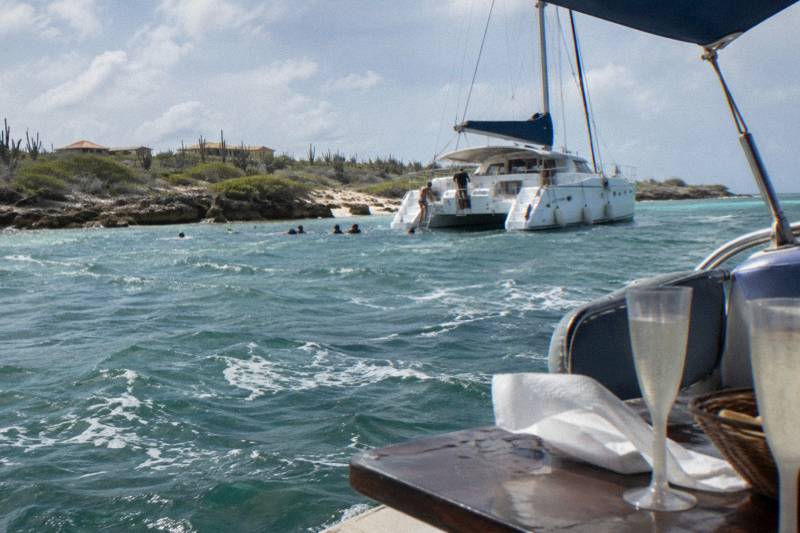
No listing covered on this site states a pregnancy policy for snuba, and this page will not tell you it is safe or unsafe. That is a medical question for your doctor and a booking question for the operator. What the listings do show is a range of in-water options, from sea scooter snorkeling to glass bottom boat rides, that involve very different levels of exertion and depth.
Snuba sits between snorkeling and scuba: you breathe from a regulator, but your air supply floats on a raft at the surface rather than on your back, and you stay in shallow water close to the raft rather than diving deep. That description covers the general activity. The site's Aruba snuba guide covers De Palm Island, where Snuba is sold as a paid upgrade rather than part of the entry ticket. That ticket bundles plenty on its own: a lunch buffet with a grill station, an open bar, snorkel gear and complimentary reef snorkel tours offered twice daily. Sea Trek is likewise a separate paid extra. Neither page states anything about pregnancy, minimum fitness, depth limits for expectant mothers or medical clearance.
That silence is the single most useful fact on this page. Where a listing says nothing, the answer is not yes by default. It means nobody has published a policy, and the two people who can give you a real answer are your own doctor, who knows your pregnancy, and the operator, who knows the dive site, the conditions and their own insurance rules. Ask both before you pay. The gap is the same here: none of the listings state return-time rules, pregnancy restrictions or mobility accommodations, so ask your operator directly before you book.
If the answer from either of those conversations is no, or simply unclear, the rest of this page is built for you. Aruba has a deep bench of ways to see the reef that never put a regulator in your mouth, several of them on this site, and a few of them barely ask you to get wet at all.
What Snuba Actually Asks Of Your Body
Snuba asks you to breathe through a regulator while swimming at depth, equalize your ears, fin against whatever current exists, and stay calm underwater, all while tethered to a surface raft by an air line about twenty feet long. It is more physical than floating with a mask and more constrained than swimming freely, because the line limits where you can go. The exertion level is the real variable, and it depends on sea state and site.
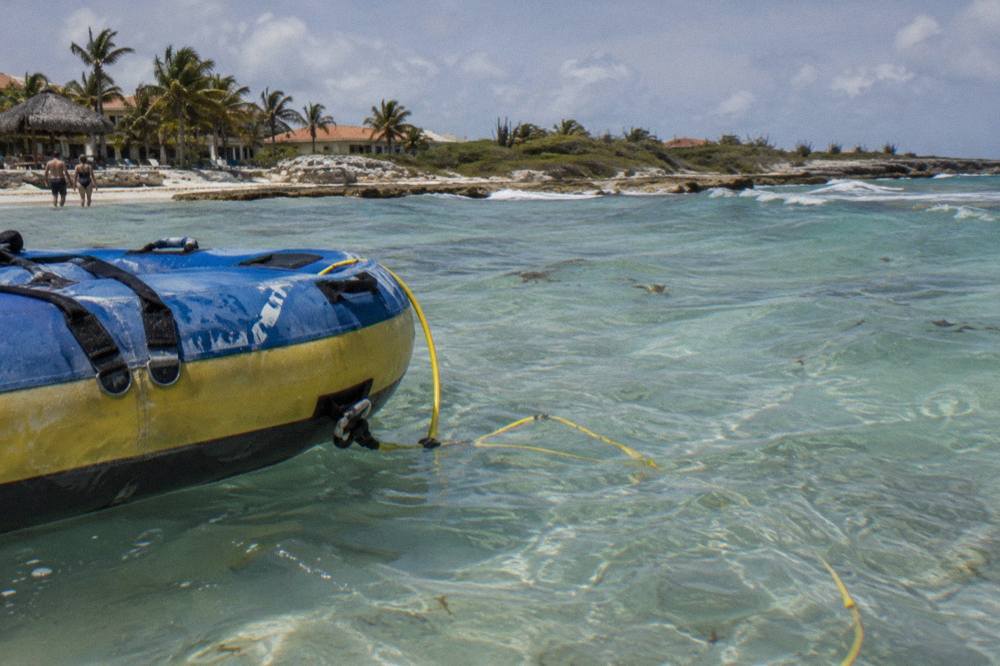
Describing the physical demands is not the same as giving medical advice, and this site will not cross that line. But a reader deciding what to ask a doctor needs to know what the activity involves so the questions are specific. Breathing from a regulator while horizontal at depth engages your core differently than surface swimming. The air line that connects you to the raft means you cannot simply stand up or pop vertical at will; you manage your depth deliberately. Fins and current mean continuous moderate leg work. Ear equalization, pinching your nose and gently blowing, is a skill some people pick up instantly and others struggle with, and repeated failed attempts can turn a half hour in the water into an uncomfortable one.
Compare that with plain snorkeling as the listings here describe it. The small-group sea scooter option at Mangel Halto from Aruba Bob, rated 5.0 from 438 reviews and from $100 per person, uses motorized sea scooters that pull you along the surface, so the finning effort largely disappears. The listing caps the group at 6 guests and includes pictures. The glass bottom boat tour from Malmok Charters, from $60 per person and rated 5.0 from 47 reviews, requires no swimming at all: you watch the reef and the Antilla wreck through the hull, and getting in the water at Boca Catalina or Tres Trapi is optional. These are meaningfully different physical asks, and a doctor's answer may differ across them. If you're still weighing whether a snorkel outing justifies its price tag, the guide to whether snorkeling in Aruba is worth it walks through the water conditions, what you actually see, and who should sit it out.
That is exactly why the question "can I snorkel or snuba while pregnant" is too blunt. Bring your doctor the specifics: depth, breathing apparatus or none, expected water temperature, swim time, and whether you can opt out on the boat. The warmer the water, the less thermal stress; Aruba's sea surface averages 79.0 F in February at its coldest and 84.6 F in October at its warmest, per seatemperature.org's monthly readings for Oranjestad, so cold water is not really part of this conversation.
| Activity as listed | Breathing apparatus | Typical physical demand per listing | Swimming required |
|---|---|---|---|
| Snuba at De Palm Island (paid add-on) | Regulator, surface raft | Moderate, swimming at depth | Yes |
| Sea scooter snorkel at Mangel Halto | Snorkel, motorized scooter | Low to moderate, scooter assists | Yes, gently |
| Glass bottom boat, Malmok | None, stay aboard | Minimal | No |
| Catamaran sail and snorkel | Snorkel only, optional | Optional, set your own pace | Optional |
What The Aruba Operators Say About Pregnancy
Every snuba and snorkel listing covered on this site states the same thing about pregnancy: nothing. The De Palm Island pages, the sail and snorkel cruises, the turtle trips and the glass bottom boats all list inclusions, prices, durations and cancellation terms without a single published pregnancy restriction or clearance requirement. The absence is consistent, so the operator's own staff, contacted before booking, is the only source of a real answer. Once the operator confirms you're cleared to go, a look at how the snuba upgrade is priced on top of De Palm Island admission is the natural next step before you lock in a date.
That is not a knock on the operators. Many tour businesses handle medical questions case by case rather than publishing blanket rules, partly because blanket rules can be wrong for individual guests. But it does transfer the work to you. An email before you book costs nothing and gets you an answer in writing: state how far along you are, ask whether their insurance or dive certification body imposes restrictions, and ask whether a doctor's note is wanted. Operators who take the question seriously will answer it; that response itself tells you something about how they run trips.
The cancellation terms matter here too, so check the live listing before booking, since terms can vary by tour. That is stated one listing at a time, but it is stated on each line, so if a doctor's appointment falls after your booking date you are not trapped. Check the live listing for the exact cutoff window before relying on it, since the window varies and only the operator's own listing shows the current one. The listings also name their vessels where they have one, which helps you ask better questions: the Flagship trips run on a classic schooner with a rope swing and onboard restrooms, while Octopus runs catamarans with restroom access listed on the afternoon sail.
One more nuance worth naming: similar listings are different products. Spronk Catamarans alone sells three turtle and wreck variants plus a champagne and lobster sail, and their inclusions differ line by line. Never assume a pregnancy answer from one listing applies to its sibling; ask about the specific departure you are considering, on the specific date, because conditions and crew differ.
Water And Weather Considerations In Aruba
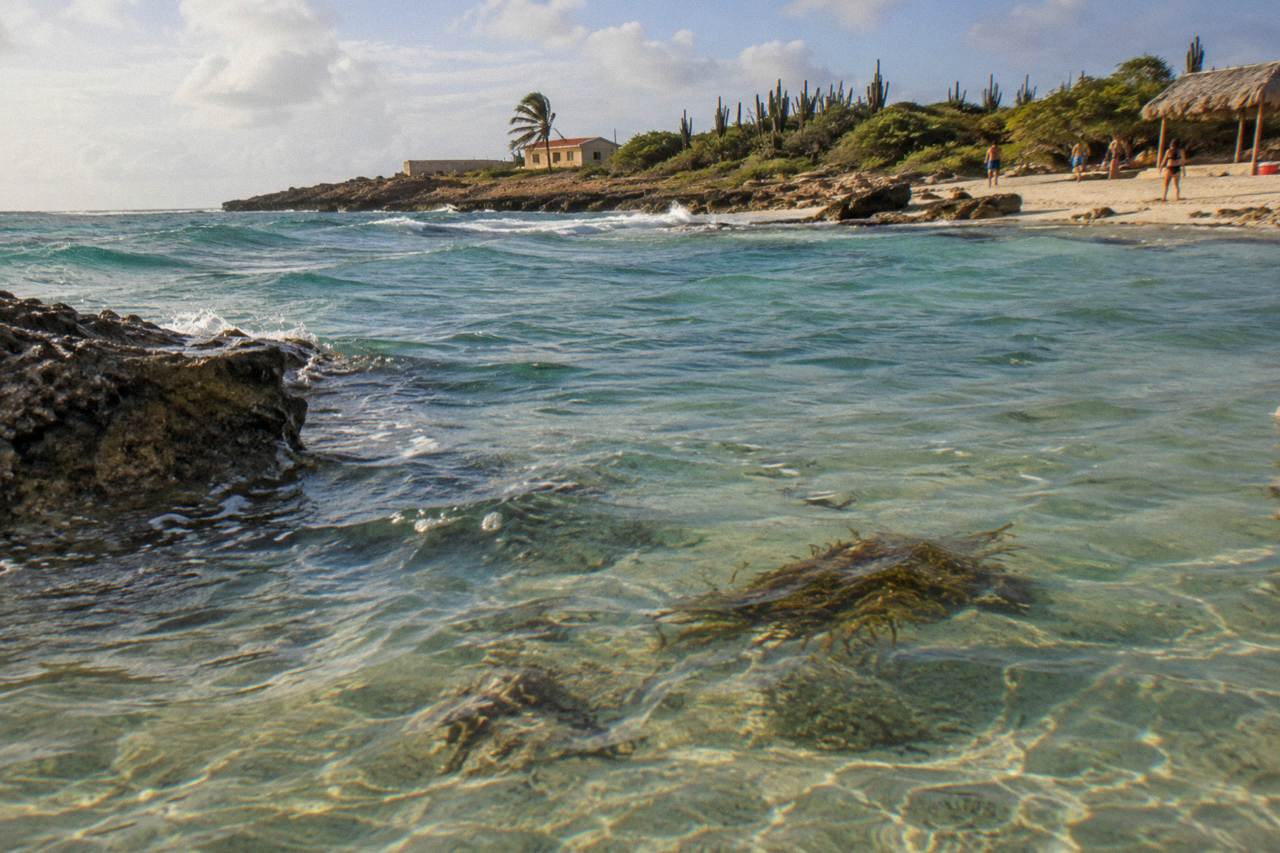
Aruba's west and south coasts are the calm, protected side, which is where nearly every boat trip on this site departs, and sea temperatures run 79 to 85 F across the year. The meteorological service publishes a daily marine forecast with wind in knots, wave height by coast and shower chances: check it the morning of any trip. Weather can still change, even in the June to November hurricane season.
The tourism authority states that Aruba has had no direct hurricane hit since 1851, with the season running 1 June to 30 November, and that storms can still bring rain, gusts or calm stretches. This is not a promise of flat seas. The monthly mean wind at Beatrix Airport runs from 5.8 m/s in October and November up to 8.7 m/s in June per the meteorological service's 1981 to 2010 climate normals, and wind is the variable that turns an easy surface swim into a workout. For anyone moderating their exertion, wind varies through the year, so sea conditions on a given day are worth weighing alongside the busier calendar.
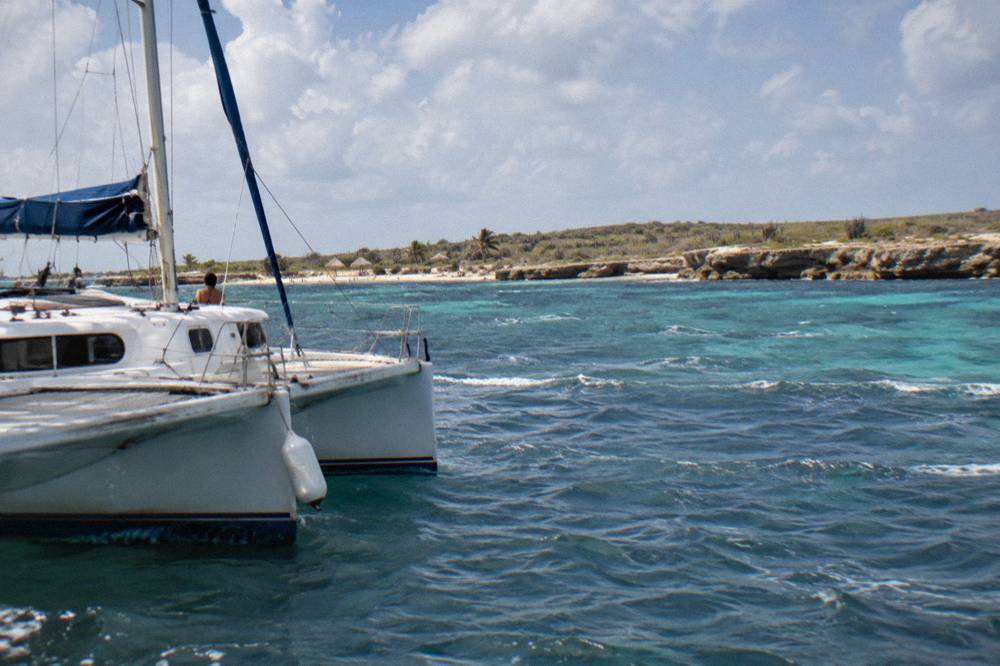
Rain is rarely the deciding factor: Oranjestad averages just 1.5 rainy days of a millimeter or more in April against 11.0 in December. The marine forecast page at meteo.aw shows wind direction and speed in knots and wave height by coast, and protected south and west sections read calmer than north-facing shores. If a doctor has advised against physical exertion in chop, that morning forecast is your go or no-go input, and every operator here lists free cancellation.
Sun exposure deserves a line too, since it is the one stressor visitors routinely underestimate at this latitude. Aruba bans sunscreens containing oxybenzone, and mineral-based reef-safe sunscreen is what the island's responsible guest guidance advises, alongside not feeding fish or turtles and leaving shells and coral in place. Shade on a boat is limited; a hat, a rash guard and reapplication matter more than SPF number.
| Month | Avg sea temp | Avg wind (m/s) | Rainy days (1 mm+) |
|---|---|---|---|
| February | 79.0 F | 7.6 | 4.5 |
| April | 80.1 F | 7.7 | 1.5 |
| June | 82.2 F | 8.7 | 2.8 |
| October | 84.6 F | 5.8 | 7.3 |
| December | 81.1 F | 6.4 | 11.0 |
Alternatives If You Sit Out Snuba This Trip
Sitting out snuba does not mean sitting out the reef. The listings on this site include a glass bottom boat that needs no swimming at all, a schooner trip with a rope swing and onboard restrooms, a short Malmok boat ride over the Antilla wreck, and beach-hop tours where you can stay on the sand at Baby Beach while companions snorkel Mangel Halto. The choice is between getting wet on your own terms or seeing the reef dry.
The strongest dry option is the glass bottom boat from Malmok Charters, which the site features as this article's related tour: from $60 per person, rated 5.0 from 47 reviews, 1 hour 30 minutes, up to 10 guests, covering the Antilla wreck, Boca Catalina and Tres Trapi while you stay dry the whole way. Its sister listing covers the same three sites in the same glass bottom boat at the same from $60 per person price with 13 reviews so far, a newer listing from the same operator. For readers comparing those two, the non-swimmer options guide walks through the glass bottom choice in depth.
On the wetter-but-gentle end, the sea scooter snorkel at Mangel Halto stands out. Aruba Bob's listing caps it at 6 guests, includes pictures, runs 2 hours 30 minutes from $100 per person, and is rated 5.0 from 438 reviews. The scooters do the finning for you across a mangrove-lined bay that the island's own beaches page describes as calm water for snorkeling without crowds. Whether that fits is still a doctor question, but it is a materially lighter ask than snuba.
For a full day that mixes everything, the El Tours open air bus trip to Mangel Halto and Baby Beach, from $57 per person and rated 4.5 from 308 reviews, includes hotel pickup and gear, and nothing about it obliges you to swim: Baby Beach is a shallow, lagoon-style bay the island calls ideal for kids and beginners, and watching from the sand is a legitimate way to spend it. Nautilus Dive Center runs two smaller versions, at 8 and 10 guests maximum, if a quieter boat suits better.
Questions To Ask Before You Book Anything In Water
Ask your doctor the specific activity, depth and duration; ask the operator about pregnancy policy, insurance and conditions on the day; and check the free cancellation cutoff on the live listing before paying. Three conversations, ten minutes total, replace every guess this page could otherwise tempt you into. Nobody on this site can answer the medical half for you, and the operators themselves are the only authority on their own rules.
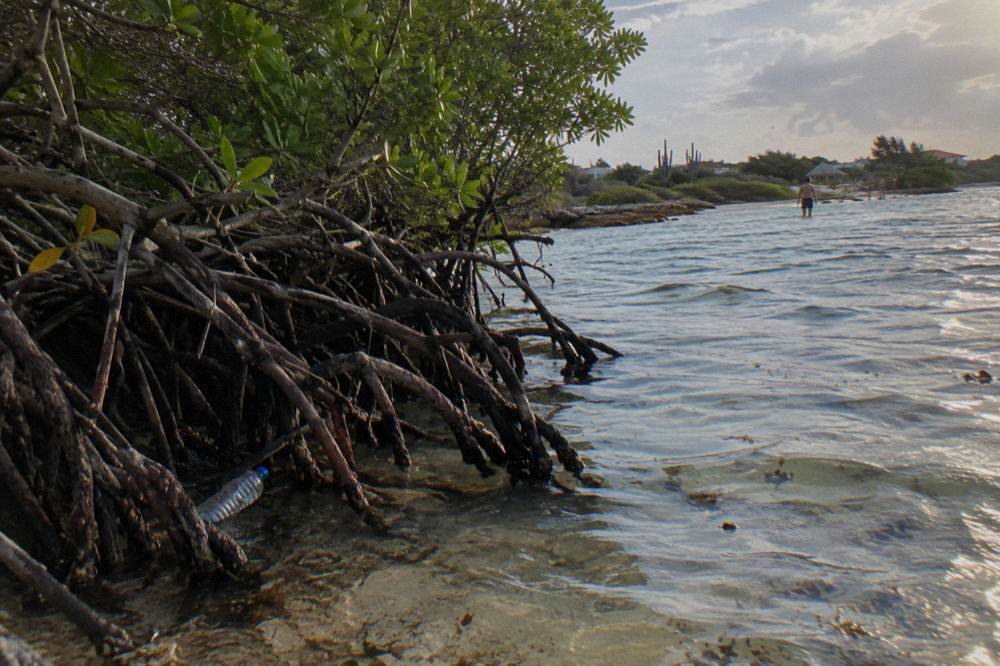
For the doctor, bring specifics rather than categories: regulator breathing in shallow water if snuba is still on the table, surface swimming with fins, the sea conditions you expect on your dates, and typical session lengths of 1.5 to 5 hours as the listings state them. For the operator, ask whether their certifying body or insurer restricts pregnant guests, whether a doctor's note is required, and what the trip does if conditions change, since a listing's free cancellation term does not describe the boat's behavior in weather. For yourself, check the marine forecast that morning and decide in daylight rather than on the pier.
If you want help sorting which trip matches the answer you get, the site's shore snorkeling versus boat tour comparison is the natural next read, and Aruba Snorkeling Tours keeps a full set of trip-type guides, from catamaran sails to turtle encounters, for exactly this kind of what-fits planning.
Common Questions About Snuba And Pregnancy
Can You Snuba While Pregnant?
No listing covered here states a pregnancy policy, and this site gives no medical verdict. Ask your doctor about the specific activity and ask the operator before booking. If either answer is unclear, the glass bottom boat and beach options described above let you see the reef without a regulator.
Do Aruba Tour Operators Require A Doctor's Note For Pregnant Guests?
None of the listings covered here mention a doctor's note, a pregnancy restriction or any medical clearance. That silence means the requirement, if one exists, lives with the individual operator, so ask in writing before you pay.
Is Snorkeling Gentler Than Snuba?
Physically, yes, in the ways the listings describe: snorkeling keeps you on the surface with no regulator, no air line and no depth, and you control the pace. Whether surface swimming suits your pregnancy is still a question for your doctor, not for a tour site.
What Can I Do Instead If I Skip The Water Entirely?
The glass bottom boat from Malmok Charters runs 1 hour 30 minutes over the Antilla wreck, Boca Catalina and Tres Trapi from $60 per person, rated 5.0 from 47 reviews, with no swimming required. The open air bus beach tour to Mangel Halto and Baby Beach is another way to spend the day with the option to stay dry.
Does Free Cancellation Apply If My Doctor Says No?
Check the exact cancellation terms on the live booking page for your tour before booking, as terms are set per listing. The exact cutoff window varies and is shown only on the operator's live listing, so check it before booking if a medical appointment falls after your travel date.
When Is The Water Calmest In Aruba?
The west and south coasts are the protected, calm side year-round, and mean wind is lowest in October and November at 5.8 m/s. Check the meteorological service's marine forecast the morning of any trip, since daily conditions always override monthly averages.