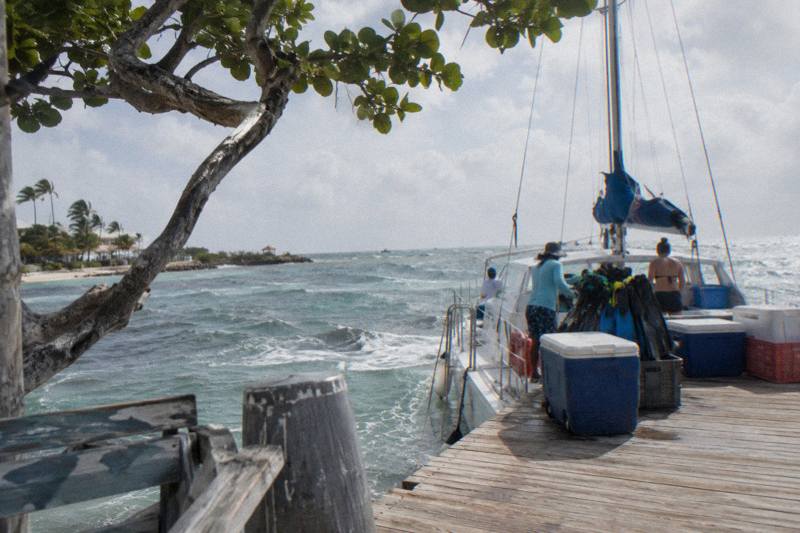
Is Snorkeling In Aruba Worth It?
An honest look at whether a snorkel tour in Aruba justifies the price, covering water conditions, what you actually see, costs from real listings, and who should skip it.
Aruba sits outside the hurricane belt, holds a 398 foot German cargo ship on its seabed, and keeps sea temperatures between roughly 79 and 85 degrees Fahrenheit all year. Those three facts alone answer most of the question. The rest of the answer depends on what a visitor expects for the money, because a guided trip on this island runs from $57 per person to $900 per group depending on format, and the difference between a great day and a mediocre one usually comes down to picking the right trip rather than the island itself.
The honest short version: snorkeling in Aruba is worth it for anyone who wants calm, warm, accessible water and does not need the wall diving or big pelagic encounters of other Caribbean islands. This article works through the case for and against using real listing prices, water data and the island's own marine rules, so the decision lands on evidence rather than brochure language.
Yes, for most visitors, because Aruba combines three things few snorkel destinations offer at once: year round water between roughly 79 and 85 degrees Fahrenheit, west and south coasts that stay calm and protected, and shore accessible reefs at Boca Catalina, Arashi Beach and Mangel Halto that cost nothing to swim. A boat trip adds the SS Antilla wreck, whose highest points sit about 15 feet below the surface, close enough for snorkelers rather than only divers. For a private island alternative with flamingos and paid beaches, our guide to whether Renaissance Island is worth it compares that experience against these same free reefs and wreck trips.
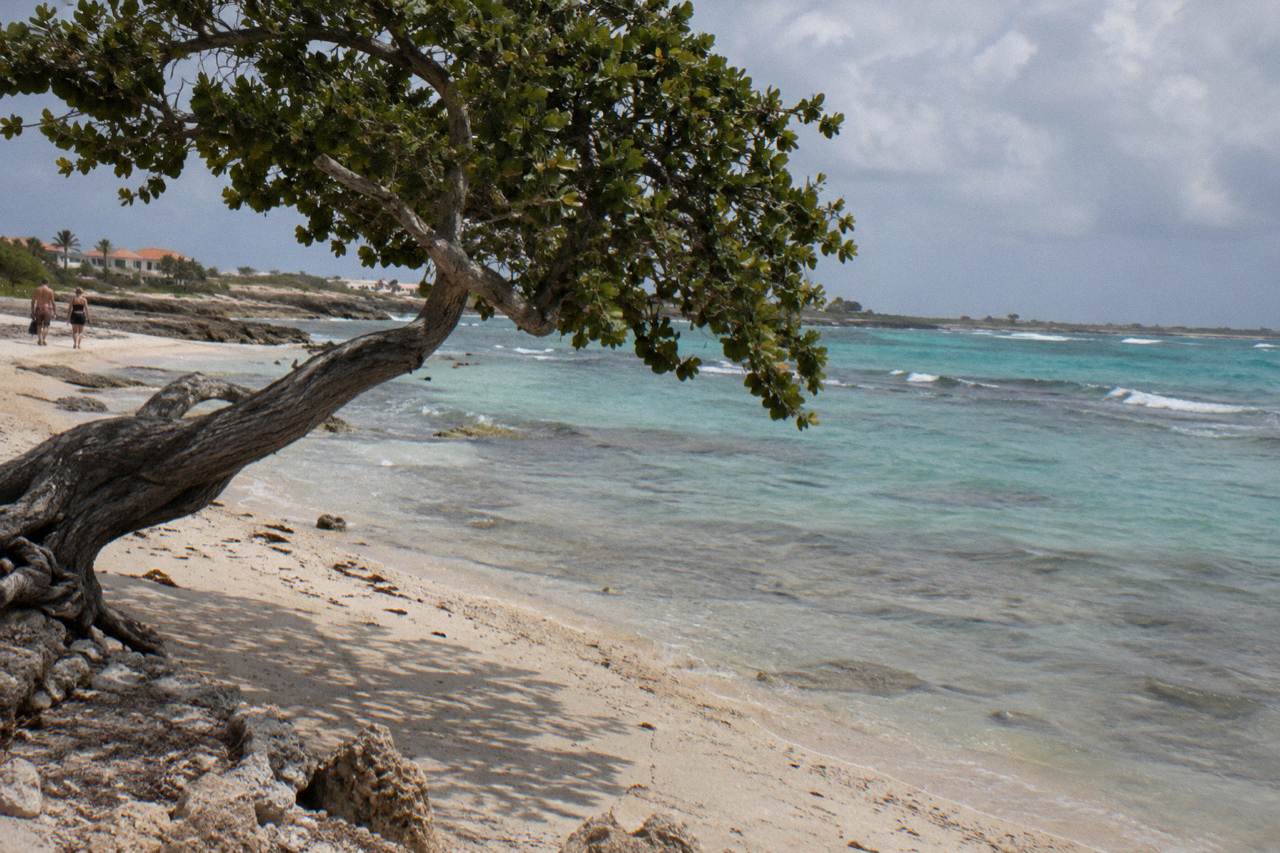
That combination is the core of the value case. The island's tourism authority notes that every beach is public and open to everyone, with more than 20 public beaches, and the west and south coasts are the calm and protected sides, suited to swimming and snorkeling. The east and north coasts face open sea with stronger wind, which is why nearly every boat tour on the island works the leeward side.
For a doubter, the cheapest test is not a boat at all. Shore snorkeling is possible at Boca Catalina, Arashi Beach and Mangel Halto, reefs sit close to the beach, and you bring your own gear. If swimming over colorful reef fish a few yards from sand feels like a good morning, a boat trip to the wreck and the turtle spots will feel worth the spend. If the shore test bores you, no catamaran will fix that, and the money is better spent elsewhere. The trade offs between swimming out and riding out are laid out in the guide to shore snorkeling versus boat tours.
Three formats cover most first timers well: a short open bar sail, a wreck and turtle catamaran trip, and a glass bottom boat for anyone unsure about the water.
What Makes Aruba Different From Other Snorkel Spots?
Aruba's edge is reliability rather than spectacle. Outside the hurricane belt with no direct hurricane hit since 1851, per the tourism authority, it offers consistently warm, calm water on the leeward coast, while its signature site, the SS Antilla wreck, gives snorkelers a genuine 398 foot ship to swim over. What it does not offer is the drop offs, large reef systems and pelagic fish of destinations built around diving.
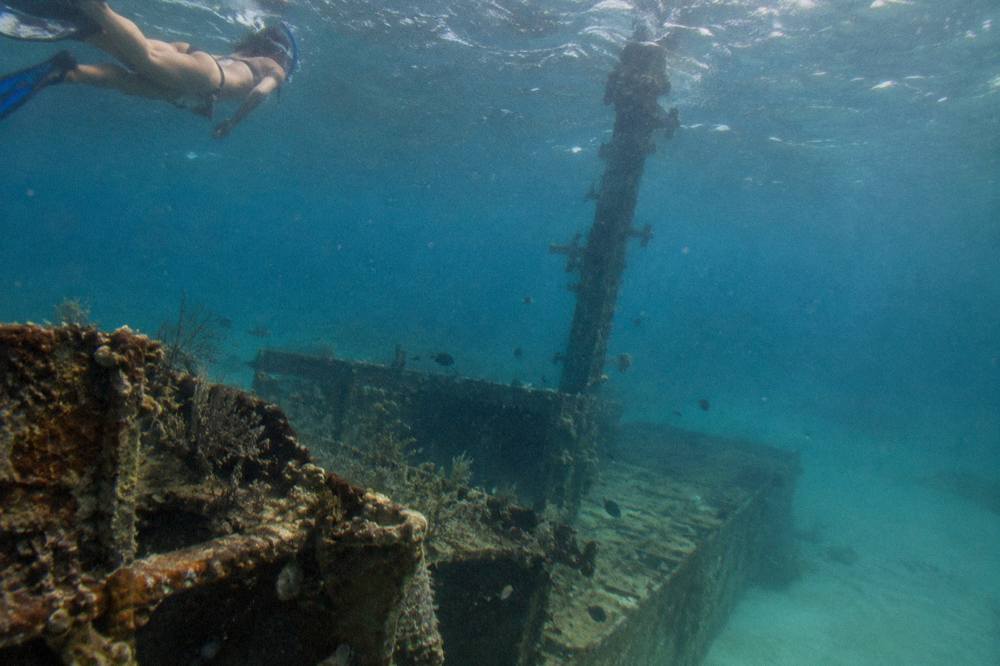
The Antilla is the island's single most compelling underwater sight, and it is unusual in being a snorkeling wreck, not just a diving one. The ship was a German Hamburg America Line cargo vessel, scuttled in January 1940 off Aruba after the Netherlands entered the war. According to the Antilla Shipwreck Aruba site, the wreck lies on its port side on a flat sandy bottom, with its highest points, the bow and superstructure, about 15 feet below the surface and accessible to snorkelers in calm conditions. The hull descends to about 60 feet, which is the divers' territory, and typical visibility runs 50 to 100 feet, best from March to August and slightly reduced from December to February when wind and waves pick up. If the deeper parts of the hull tempt you to strap on a tank, our Aruba versus Curaçao diving comparison looks at how the two islands stack up below the surface.
That seasonal nuance matters for value. A snorkeler who visits in the peak of the March to August visibility window over the wreck will see dramatically more than one who swims the same site in a windy February week. The island's beach geography helps here too: Boca Catalina is a small bay with gentle waves and colorful reef fish just offshore, Arashi Beach has great visibility for snorkeling, and Mangel Halto is a quiet mangrove backed area with calm water and snorkeling without crowds.
The Pelican Sail and Snorkel from Pelican Pier is a good first snorkel trip: about 2.5 hours, from $67 per person, gear included, snacks and an unlimited open bar, 4.8 from 531 reviews, with free cancellation listed. Full wreck detail is in the Antilla shipwreck snorkeling guide.
How Much Does A Snorkel Tour In Aruba Actually Cost?
Prices across the listings covered here run from $57 per person for a five hour beach hop by open air bus to $900 per group for a three hour private boat carrying up to 10 people. The typical shared half day sail with lunch, gear and drinks lands between $65 and $124 per person. Only two listings are priced per group; the rest are per person, including several private tours.
Reading the price ladder correctly is where most of the value decision happens. The cheapest entries buy transport and gear rather than a boat experience. The El Tours beach hop, from $57 per person with hotel pickup listed, visits Mangel Halto and Baby Beach by open air bus. The Malmok Charters glass bottom boat, from $60 per person for 1 hour 30 minutes and capped at 10 guests, covers the Antilla, Boca Catalina and Tres Trapi from the water with the option to swim.
| Trip | Format | Price | Duration | Rating |
|---|---|---|---|---|
| Mangel Halto and Baby Beach by open air bus | Shared bus, hotel pickup listed | From $57 per person | 5 hours | 4.5 from 308 reviews |
| Glass Bottom Boat, 3 snorkel sites | Shared boat, up to 10 guests | From $60 per person | 1 hour 30 minutes | 5.0 from 47 reviews |
| Banana Adventure Catamaran, wreck and turtles | Shared catamaran, up to 36 guests, lunch | From $65 per person | 3 hours | 4.8 from 231 reviews |
| Red Sail Half Day, 3 stops, lunch | Shared luxury catamaran, up to 75 guests | From $107 per person | 4 hours | 4.8 from 860 reviews |
| Private Boat, wreck and turtles, up to 10 | Private, per group | From $900 per group | 3 hours | 5.0 from 41 reviews |
Two traps are worth naming. First, a private label does not mean a group price: the Octopus private snorkel trip is from $140 per person, and the Underdog Divers private turtle snorkel is from $95 per person, both private tours priced per person. Second, the per group listings only make sense against per person prices once you do the division with your own headcount: a $900 per group boat shared by a full party of 10 lands in the same territory as the shared sails, while the Delphi private boat at $398 per group for up to 6 sits near the bottom of the per person ladder for a family that size. The private snorkel charters guide works through that arithmetic in full.
Note that hotel pickup is not listed on most sail trips; only a handful of listings, like the open air bus beach hop and the Banana Adventure catamaran, state it. Assume you make your own way to the pier unless the listing says otherwise.
What Will You Actually See Underwater?
The realistic haul is reef fish at every stop, sea turtles with good odds but no guarantee at Tres Trapi and Boca Catalina, and the Antilla wreck itself, a 398 foot hull lying on its side in warm water, whatever you choose to wear. What Aruba cannot promise is sharks, rays in numbers, or coral gardens on the scale of bigger reef systems.
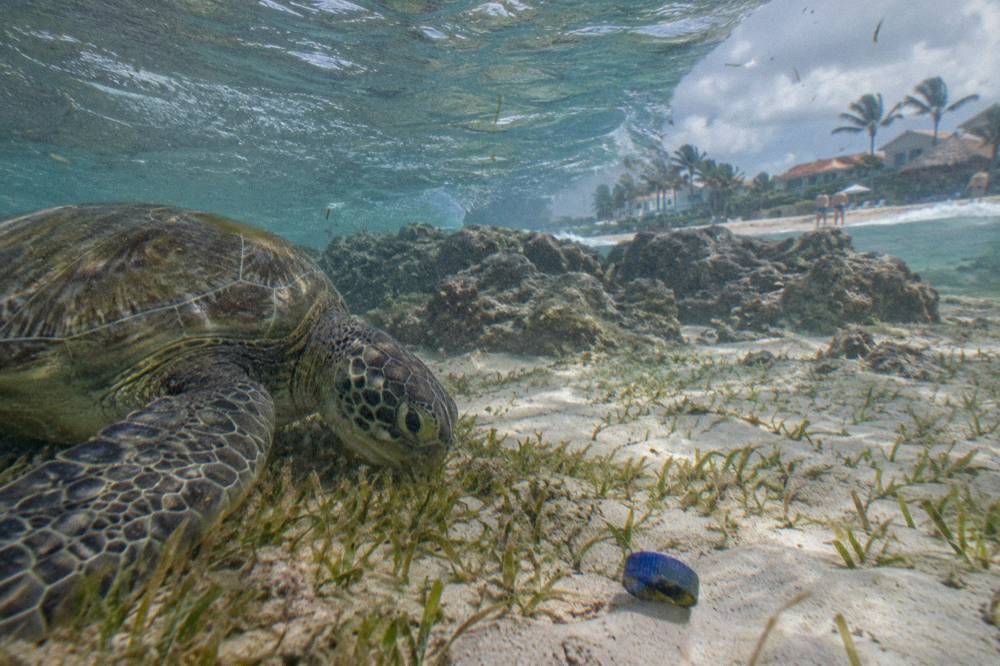
The turtle sites are the second pillar of the value case after the wreck. Tres Trapi, a stop named on several listings including the Banana Adventure catamaran and the Coral Ocean sunset turtle trip, is a favorite stop for snorkeling with turtles, and Boca Catalina combines gentle waves with colorful reef fish just offshore. Listings never guarantee sightings and this page will not either, but the concentration of turtle focused trips, from the 12 guest sunset snorkel at $125 per person to the Underdog Divers private tour at $95 per person with an edited video of your swim included, tells you the operators see enough turtles to sell the trip on them.
The Mangel Halto side of the island adds a different experience: mangrove framed, calm and uncrowded, with the sea scooter trips run by Aruba Bob, 5.0 from 438 reviews at $100 per person for up to 6 guests, using powered scooters that pull you along the reef. For anyone who finds finning hard work, that format changes the calculus entirely.
The Underdog private turtle tour is a good middle option: an hour and a half, a private guide, from $95 per person, 4.9 from 761 reviews, with professionally edited underwater footage included.
Marine life etiquette is not optional here and affects everyone's experience. Aruba's rules state plainly: do not feed fish, turtles or seabirds, bread is not part of their diet, do not touch or pick up marine life, leave shells, sand and coral in nature, and sunscreens containing oxybenzone are banned, with mineral based reef safe sunscreen advised, per the island's responsible guest guidance. A trip that hands out food to attract fish is breaking those rules and training the reef's wildlife to beg.
What If The Weather Or The Season Is Bad?
Aruba's climate profile favors snorkeling in every month: sea temperature in Oranjestad averages from 79.0 degrees Fahrenheit in February to 84.6 in October, the island sits outside the hurricane belt with no direct hit since 1851, and its driest months, March and April, see roughly 10 mm and 8.6 mm of rain respectively. Wind, not storms, is the thing to watch, and it is strongest from May through July.
The wind numbers deserve the attention. Monthly mean wind speed at the airport runs 8.7 meters per second in June and 8.1 in July against 5.8 in October and November, though from December to February, wind and waves can bring slightly reduced visibility over the wreck per the Antilla site's account, and why calm lee shore spots like Boca Catalina and Mangel Halto stay swimmable when exposed coasts do not. The Aruba meteorological service marine forecast publishes wind in knots, wave height by coast and shower chances, and it is the right page to open the morning of a booked trip.
Hurricane season runs 1 June to 30 November, and the tourism authority is careful in its wording: outside the belt, no direct hit since 1851, but storms can still bring rain, gusts or a flat calm that changes conditions. No trip is weather proof and no operator here will promise one. The deeper dive into month by month conditions is the best time to snorkel guide, and month by month water temperatures sit in the Aruba water temperature guide. If you're expecting and wondering whether that changes your plans, what Aruba snuba and snorkel listings actually say about pregnancy covers the questions worth asking before you commit to a day on the water.
| Month | Sea temp avg | Rainfall mm | Mean wind, m/s |
|---|---|---|---|
| February | 79.0 F | 19.5 | 7.6 |
| April | 80.1 F | 8.6 | 7.7 |
| June | 82.2 F | 17.4 | 8.7 |
| October | 84.6 F | 76.5 | 5.8 |
October is the interesting row: the warmest water of the year and the lightest wind of the sailing months, but the third wettest month on the calendar at 76.5 mm. In practice that means brief showers around an otherwise excellent water month, and the wind numbers favor it over the summer for glassy surface conditions.
Who Should Skip A Snorkel Tour In Aruba?
Honest exclusions: confident freedivers chasing big walls and pelagics will find better islands, anyone unwilling to share water with 60 to 80 fellow guests should book private or small group formats only, and non swimmers should choose the glass bottom boat rather than a snorkel stop trip. None of these mean Aruba is bad, only that the standard shared sail is the wrong product for them.
Group sizes are the most under read number on a listing. The Palm Pleasure catamaran carries up to 80 guests, the Red Sail luxury catamarans up to 75. At the other end, the Malmok glass bottom boat caps at 10, the Aruba Bob sea scooter trips at 6, the turtle spotter from Pelican Adventures at 6 with round trip hotel pickup listed, and the Seabob wreck tour at 15 with hotel pickup listed. The same dollars buy very different crowds, and a visitor who pictures a quiet reef and books an 80 guest buffet sail has been mismarketed to themselves, not cheated. Since the Palm Pleasure sails under the De Palm Tours banner, our look at whether De Palm Tours earns its price weighs that big boat against smaller alternatives so you can match the crowd to the reef you imagined.
Non swimmers have a genuinely good option rather than a consolation prize. The glass bottom boat from Malmok Charters, from $60 per person, 1 hour 30 minutes, up to 10 guests, 5.0 from 47 reviews, drifts over the Antilla, Boca Catalina and Tres Trapi with the option to swim from the boat, and the glass bottom and non swimmer options guide covers the format in detail.
The last exclusion is temperamental. If a traveler's memory of snorkeling is cold water, poor visibility and grey fish, Aruba genuinely fixes two of those three, warm calm water and short swim distances, but the fish are tropical Atlantic reef species, not a documentary cast. The fish and marine life guide sets out what species are actually in these waters so nobody books on the wrong picture.
The Verdict On Value
For the majority of visitors, a snorkel tour in Aruba returns its price: warm reliable water, a wreck snorkelers can genuinely see from the surface, turtle sites with real odds, and a price floor of $57 to $60 per person on the lowest-priced listings. The decision is not whether but which, and the which depends on crowd tolerance, swimming confidence and season. To sort out the which, our guide to choosing the right Aruba snorkel tour pairs each bookable trip with the traveler it suits best.
The strongest value plays, judged purely on the listings' own numbers, are the short sails and small boats. The Pelican two stop sail at $70 per person for 2.5 hours with an unlimited open bar, 4.7 from 102 reviews, buys the full catamaran experience in a compact slot. The morning champagne brunch sail from Pelican, 4.7 from 2,238 reviews, the most reviewed listing covered here, runs 4 hours with breakfast, lunch and open bar from $85 per person and names its stops: Malmok, Boca Catalina and the Antilla. On the site Aruba Snorkeling Tours, that breakfast sail is the reference point against which longer and shorter trips get measured.
Common Questions About Snorkeling In Aruba
Is Snorkeling In Aruba Worth It?
For most visitors, yes: the water stays between roughly 79 and 85 degrees Fahrenheit year round, the leeward coast stays calm, the Antilla wreck is reachable from the surface, and entry level trips start at $57 to $60 per person. It is the wrong island for big wall diving and pelagic encounters, and crowd averse travelers should stick to the small group formats.
Can You Snorkel From The Beach In Aruba Without A Tour?
Yes. Shore snorkeling is possible at Boca Catalina, Arashi Beach and Mangel Halto, reefs sit close to the beach, beaches are public and free to enter, and you bring your own gear. No free guided snorkel tour exists in Aruba; the snorkel tours covered here are all paid products. Among the listings covered here, the open air bus beach hop to Mangel Halto and Baby Beach starts at $57 per person for 5 hours with hotel pickup listed, and the glass bottom boat snorkel sites trip starts at $60 per person for 1 hour 30 minutes. Both include snorkel gear. No listing here states a swimming requirement, but the formats differ: bay swims at Boca Catalina and Baby Beach are gentle, small group turtle trips cap at 6 to 12 guests with guides, and non swimmers can take the glass bottom boat and see the wreck and reefs without entering the water. Ask the operator directly about any specific concern. Water is warmest in October and visibility over the wreck is best from March to August, while December to February brings more wind and slightly reduced clarity. June through August is the windiest stretch. Check the marine forecast the morning of your trip.What Is The Cheapest Snorkel Tour In Aruba?
Do You Need To Be A Strong Swimmer?
When Is Snorkeling Best In Aruba?