Is Diving Better In Aruba Or Curaçao?
An honest look at Aruba's underwater side for divers and snorkelers, built on what the island's tours, wrecks and water conditions actually offer.
This page cannot give you a scored verdict, because it covers Aruba's snorkel and boat trips rather than Curaçao's dive scene, and no verified dive-site comparison between the two islands sits behind it. What the Aruba facts do support: Aruba has calm leeward water, a famous shallow wreck and a wide spread of tours that need no dive certificate at all. If you'd rather trade a boat trip for a private-island beach day, our look at whether Renaissance Island justifies its price weighs that option against these same snorkel tours.
Any honest island comparison runs into the same wall: the person asking is usually not choosing between two dive shops, they are choosing between two vacations. That reframing matters here. Aruba's underwater strengths are unusually friendly to people who never plan to strap on a tank. The leeward west and south coasts sit in calm, protected water that the island's own tourism site recommends for swimming and snorkeling, while the windward north and east coasts face open sea with stronger wind. That geography shapes almost every product on this site, from where the boats depart to which bays the beach-hop tours visit. If a mask and fins sound more appealing than a tank, our honest look at whether Aruba snorkel tours earn their price covers what you actually see and who should save the money.
Scuba diving is also a different activity from everything listed here. The tours covered on Aruba Snorkeling Tours are snorkel products, boat trips, kayak outings and scooter rides, not certification courses or guided dives. So the fair question for an Aruba-bound visitor becomes: does this island give a non-diver enough of the underwater world that a day of training and tanks becomes optional rather than essential? The listings here suggest it does. The Antilla shipwreck, the single most famous underwater sight on the island, sits shallow enough that snorkelers on a boat trip see its upper structure on the surface, and no dive license is needed to get there.
For a first taste of that argument in practice, three trips span the range. The Red Sail afternoon sail takes a luxury catamaran to the Antilla wreck and Boca Catalina with an open bar from $79 per person. The Seabob tour covers the same wreck by underwater scooter, capped at 15 guests, from $120 per person. The Spronk sunset trip adds turtles at Tres Trapi and a BBQ dinner over four and a half hours from $119 per person, and its listing offers hotel pickup, though as a paid extra rather than included.
What Can Snorkelers Actually See In Aruba?
Snorkelers in Aruba can reach a 398-foot World War II shipwreck, snorkel sites at Tres Trapi and Boca Catalina, and shallow reef bays like Mangel Halto and Baby Beach, all without a tank, and several boat tours combine two or three of these in a single outing. The islands of the southern Caribbean each pitch underwater sightseeing, but Aruba's mix leans unusually far toward the surface-accessible end.
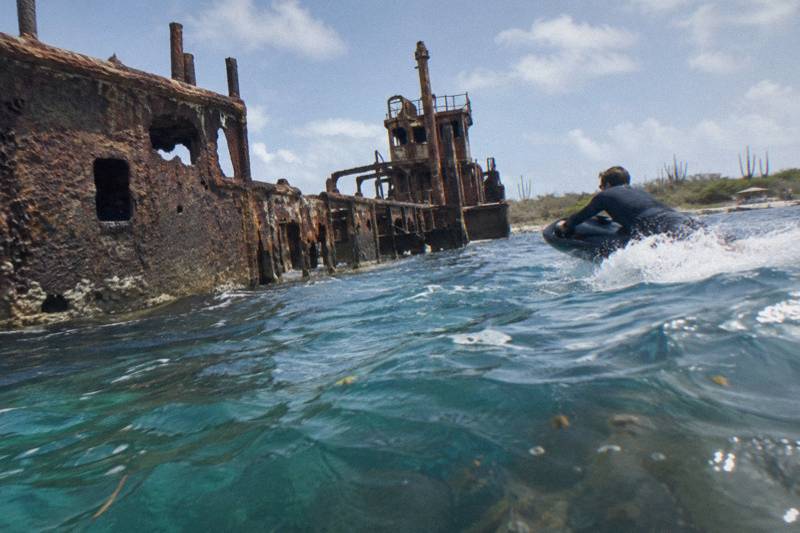
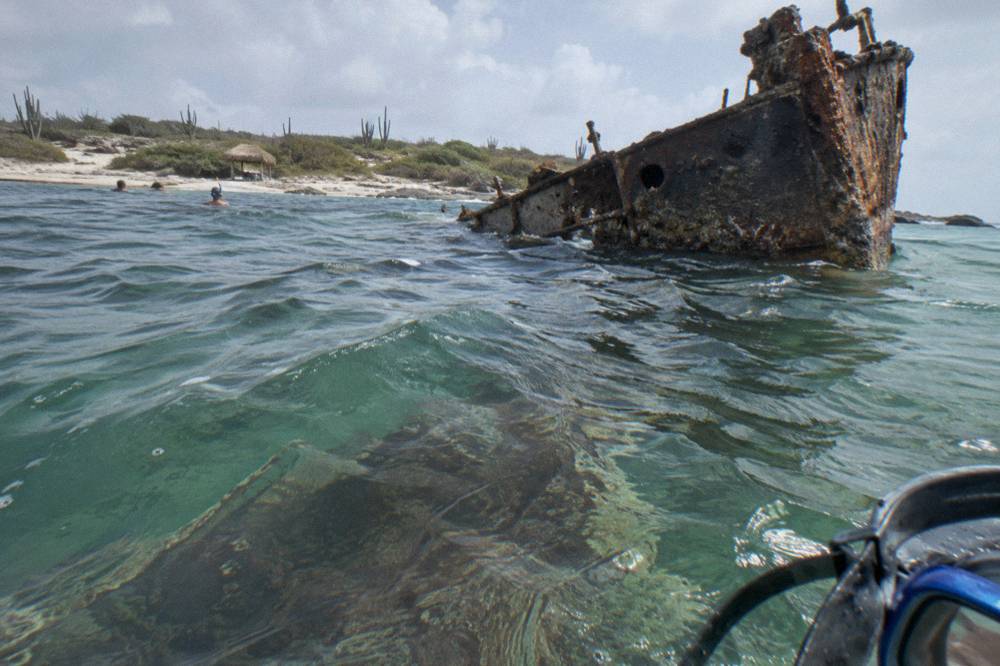
The headline sight is the SS Antilla, a German cargo ship of the Hamburg America Line, scuttled in January 1940 off Aruba after the Netherlands entered the war. The ship measured 398.3 feet. According to the Antilla Shipwreck Aruba site, the wreck lies on its port side on a flat sandy bottom with its highest points, the bow and superstructure, roughly 15 feet below the surface, accessible to snorkelers in calm conditions, while the hull descends to about 60 feet. That depth split is the quiet point of this whole article: the top of Aruba's most famous wreck belongs to snorkelers, and only the deeper hull rewards a tank.
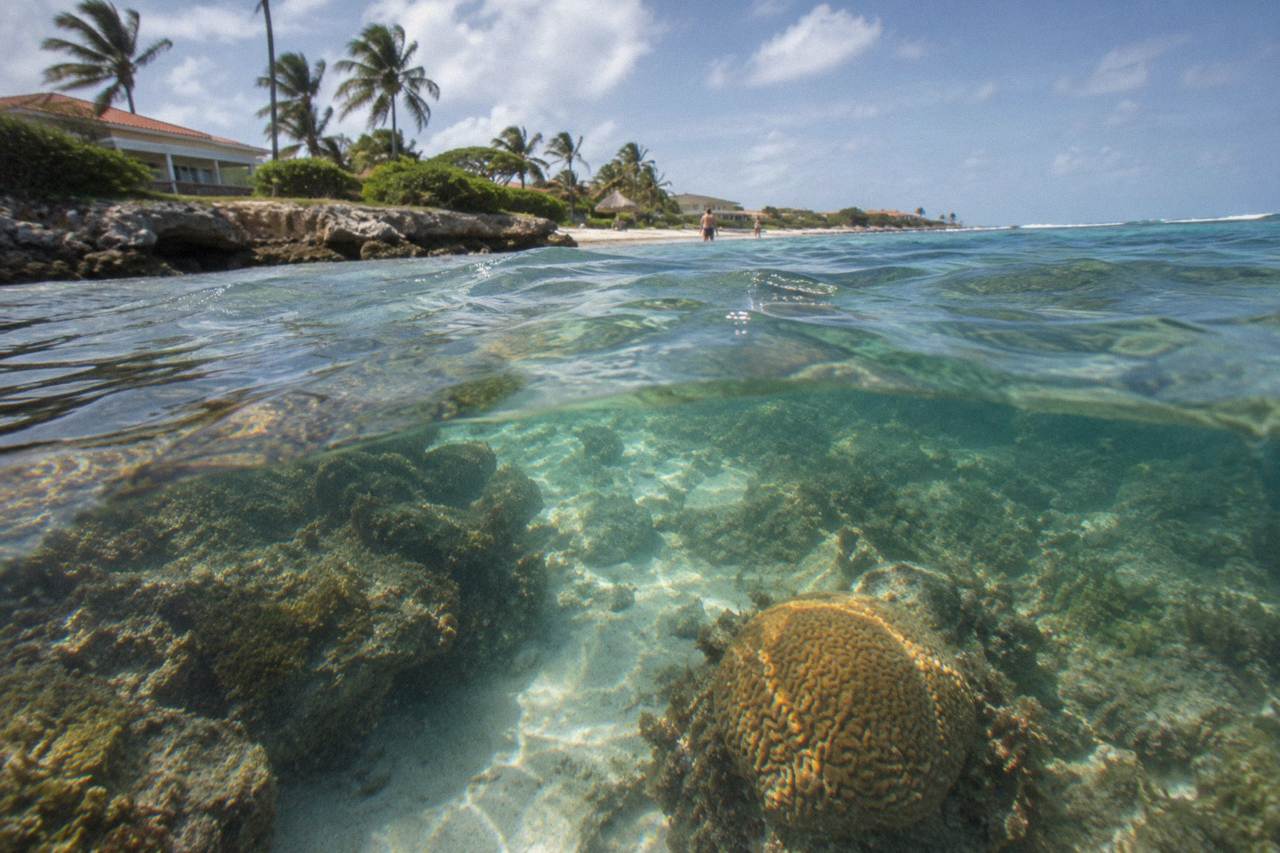
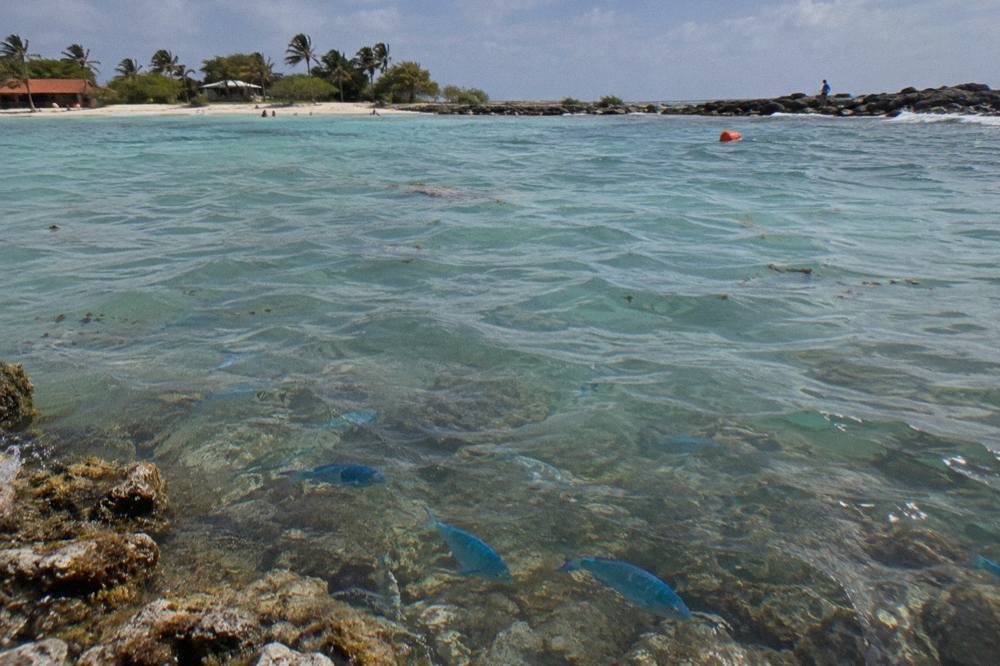
Beyond the wreck, the turtle trips covered here cluster around Tres Trapi, and the beach-hop tours run to Mangel Halto and Baby Beach, both on the calm south coast. The island's beaches page describes Mangel Halto as a quiet mangrove-fringed area with calm water and snorkeling without crowds, and Baby Beach as a shallow, lagoon-style bay ideal for kids and beginner snorkelers. A diver gets more bottom time at each; a snorkeler gets there with nothing but a mask and the cost of getting to the sand. The beach-hop tours stack both bays into one day, with hotel pickup listed on the open-air bus version from El Tours & Transfers, 5 hours from $57 per person and carrying a 4.5 rating from 308 reviews.
For visitors who want a motor between them and the effort, the small-group sea scooter trip at Mangel Halto covers its reef from Savaneta with a guide, capped at six guests, from $100 per person, with pictures included.
That trip holds a 5.0 rating from 438 reviews, which is a genuinely large pool for a six-guest outing, and its sea scooters answer the most common complaint snorkelers have about shore reefs: getting out to the interesting part under their own power.
Can You See The Antilla Wreck Without Diving?
Yes, snorkelers can see the Antilla wreck from the surface: its bow and superstructure sit about 15 feet down in calm conditions, and at least eight boat tours on this site list the Antilla as a named stop, from a $60 glass bottom boat ride to a $124 morning catamaran snorkel sail. Diving the deeper hull is a separate activity sold separately, and none of the listings here require it.
That glass bottom option deserves its own sentence, because it removes even the swimming requirement. Malmok Charters runs two listings of the same route, Antilla, Boca Catalina and Tres Trapi, in 1 hour 30 minutes from $60 per person with gear, water and sodas included, one carrying a 5.0 rating from 47 reviews. Non-swimmers and hesitant swimmers get the wreck through the hull, and the short duration makes it one of the easiest half-morning commitments on the island.
The wreck-focused spread across the site looks like this, prices and ratings exactly as the listings state them:
| Tour | Vessel | Antilla access | Duration | From |
|---|---|---|---|---|
| Red Sail Afternoon, Antilla and Catalina | Luxury catamaran | Snorkel stop, open bar | 3 hours | $79 per person |
| Pelican Morning Sail, Champagne Brunch | Catamaran | Snorkel stop with Malmok and Boca Catalina | 4 hours | $85 per person |
| Antilla Wreck by Seabob | SEABOB underwater scooters | Scooter snorkel, 15 guests max | 2 hours 30 minutes | $120 per person |
| Glass Bottom Boat, 3 Snorkel Sites | Glass bottom boat | Viewed through hull or snorkel | 1 hour 30 minutes | $60 per person |
| Private Boat, Wreck and Turtles, Up to 10 | Not named on the listing | Snorkel stop with Boca Catalina and Tres Trapi | 3 hours | $900 per group |
The private boat row carries a per-group price, not a per-person one, so it is not comparable with the rows above it without saying so. For the Red Sail afternoon, the listing that anchors this article, the operator includes snorkeling equipment and instruction, bite-sized appetizers and an open bar aboard a luxury catamaran, capped at 75 guests, from $79 per person with free cancellation listed. You can also read how deep the Antilla wreck really is for the full depth breakdown.
Do You Need To Dive At All If You Visit Aruba?
None of the Aruba tours covered here requires dive training. Wrecks, turtles, reefs, schooners, kayaks, scooters and glass bottom boats ask nothing more than a mask, so a visitor can build a full week of underwater sightseeing without a single tank or certificate. Diving would add bottom time, not access.
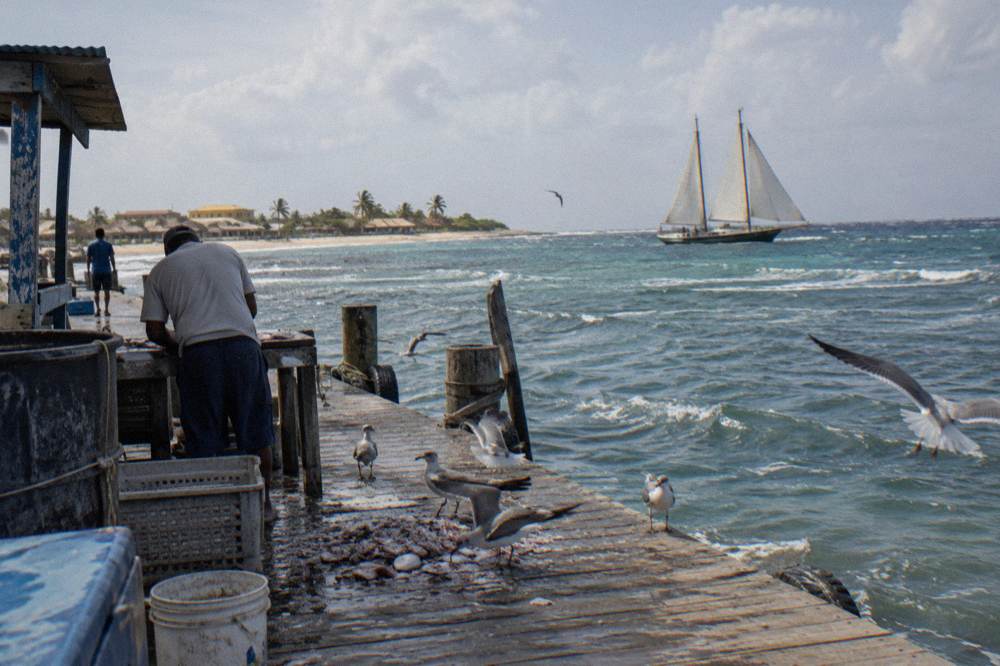
The formats alone make the point. Flagship-Aruba runs a classic schooner morning trip with a meal, open bar and a rope swing, from $59 per person, though with only four reviews so far it is a new listing rather than a proven one. Aruba Bob's sea scooters, Vale's Rambo Adventures' ocean kayaks at Mangel Halto, the Seabob tour with hotel pickup listed, and the beach-hop tours by open-air bus to Baby Beach all deliver the same sea without scuba. Even the powered-snorkel category, scooters and Seabobs, just adds propulsion to a mask-and-fins outing.
A reasonable planning read is that diving anywhere in this region is a choice about depth and bottom time, not about seeing something snorkelers are locked out of. On Aruba the marquee sight, the Antilla, has its best-known profile in the top 15 feet of the water column. Readers weighing the snorkel-versus-dive trade-off for a first trip can start with snorkeling for beginners before committing to either, and the shore snorkeling versus boat tour guide works through the same question from the land side.
For families, the same logic holds, and the dedicated snorkeling with kids guide covers which listings suit younger swimmers. The point for this comparison is simple: a family that snorkels together on Aruba loses very little compared with a family that dives, and it skips the course fees, the medical forms and the schedule constraints that certification brings.
When Is Aruba's Water At Its Best?
Aruba's sea surface temperature runs from a February average of 26.1 C (79.0 F) to an October peak of 29.2 C (84.6 F) in Oranjestad, and the Antilla site reports typical wreck visibility of 50 to 100 feet, best from March to August, so the underwater case for Aruba is strongest in the late spring to summer window. None of that requires a dive certificate to enjoy.
The monthly averages, from seatemperature.org's Oranjestad readings, look like this:
| Month | Sea temp C | Sea temp F |
|---|---|---|
| February (coldest) | 26.1 | 79.0 |
| May | 27.6 | 81.7 |
| August | 28.1 | 82.6 |
| October (warmest) | 29.2 | 84.6 |
Wind shapes the surface experience as much as temperature. Monthly mean wind speed at Beatrix Airport averages 7.3 m/s, about 14.2 knots across the year, peaking in June at 8.7 m/s and easing in October and November at 5.8 m/s, per the Aruba meteorological service's 1981-2010 normals. That persistent trade wind is why the leeward west and south coasts stay calm while the north coast stays rough, and why nearly every boat tour on this site departs from Palm Beach, Hadicurari or the south coast rather than the windward shore. On any given morning, the meteorological service's marine forecast publishes wind, wave height by coast and shower chances, a sensible page to check before a boat day. The tourism authority also notes Aruba sits outside the hurricane belt with no direct hurricane hit since 1851, though the season from 1 June to 30 November can still bring rain, gusts or flat calm, so a summer or fall trip still deserves a weather check rather than an assumption.
What Should You Sort Out Before Booking Any Underwater Trip?
Before booking, check three things on the live listing: whether your dates fall in the calmer March-to-August visibility window, whether the trip's total duration fits your day, and the island's own water rules, which ban oxybenzone sunscreens and forbid feeding or touching marine life. Divers and snorkelers face the same rules on the same water.
The reef rules come from the island itself: sunscreens containing oxybenzone are banned and mineral-based reef-safe sunscreen is advised, and visitors should not feed fish, turtles or seabirds, should leave shells, sand and coral in nature and should not touch or pick up marine life. Beaches are public and free to enter, including the shore snorkel bays, so a mask-and-fins day at Boca Catalina or Mangel Halto costs nothing beyond gear. The one fee that touches most air arrivals is the $20 Sustainability Fee paid through the ED Card, with exemptions for residents, children under 8 and cruise passengers.
Cruise passengers have one extra item: many wreck tours are half-day outings, so check your ship's all-aboard time against the listing's own duration before booking, and never assume a trip fits a port call. For those who prefer to stay dry altogether, a glass bottom boat or a glass bottom boat tour of Aruba's snorkel sites, which suits non-swimmers, keep the underwater view available without entering the water.
One middle path between the two activities is worth naming before the FAQ. Snuba and Sea Trek, the helmet walk, exist on Aruba as add-ons at De Palm Island, and this site covers both in its Aruba snuba guide and sea trek helmet walk guide. They give a taste of deeper breathing without a certificate, which is often exactly what the diver-versus-snorkeler debate is really about.
Common Questions About Diving Versus Snorkeling In Aruba
Is Diving Better In Aruba Or Curaçao?
That verdict depends on dive-site data for Curaçao that this site does not carry. Aruba offers a 398-foot wreck whose upper structure is visible to snorkelers about 15 feet down, calm leeward coasts, sea temperatures from 26.1 C in February to 29.2 C in October, and surface-based tours from glass bottom boats to private charters. For a visitor who snorkels rather than dives, Aruba's shallow access to its most famous sight is the measurable advantage.
Can You See The Antilla Wreck Without Scuba Gear?
Yes. The wreck's highest points sit about 15 feet below the surface according to the Antilla Shipwreck Aruba site, and multiple tours list the Antilla as a snorkel stop, including a $60 glass bottom boat option for those who prefer not to swim at all.
Is Snorkeling Enough, Or Should I Learn To Dive First?
Snorkeling covers Aruba's headline sights: the wreck's upper profile, turtles at Tres Trapi and Boca Catalina, and reef bays like Mangel Halto. Diving adds bottom time and the deeper hull of the Antilla. Snuba and Sea Trek offer a middle path with no certificate.
When Is The Water Clearest In Aruba?
Typical visibility at the Antilla wreck runs 50 to 100 feet, best from March to August and slightly reduced from December to February due to wind and waves, per the Antilla Shipwreck Aruba site. October and November are the calmest wind months of the year.
Do Aruba Snorkel Tours Include Hotel Pickup?
Only some listings list hotel pickup, among them the Seabob tour, the Banana Adventure catamaran and the turtle spotting trip with round-trip bus pickup. Most depart from specific piers on Palm Beach or the south coast, so check the individual listing before booking.