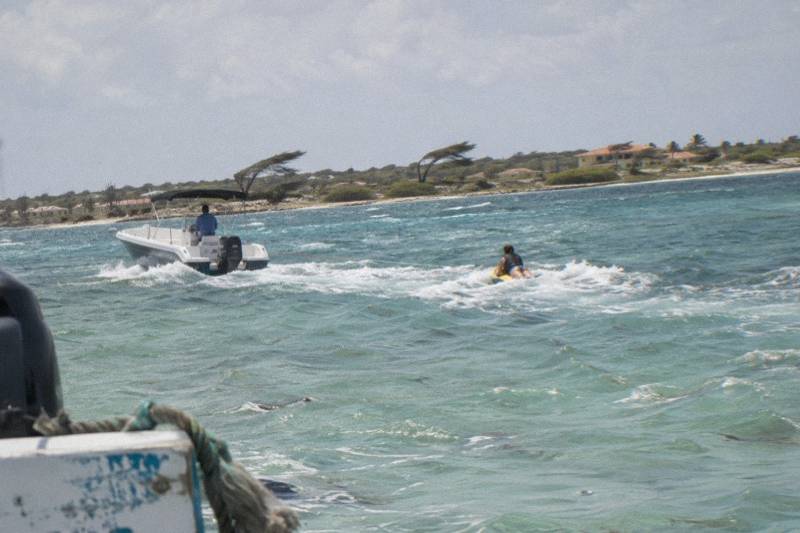
Is Snuba Safer Than Scuba In Aruba?
A mechanism-by-mechanism comparison of snuba and scuba in Aruba, what each asks of your body and training, and surface alternatives from the listings covered here.
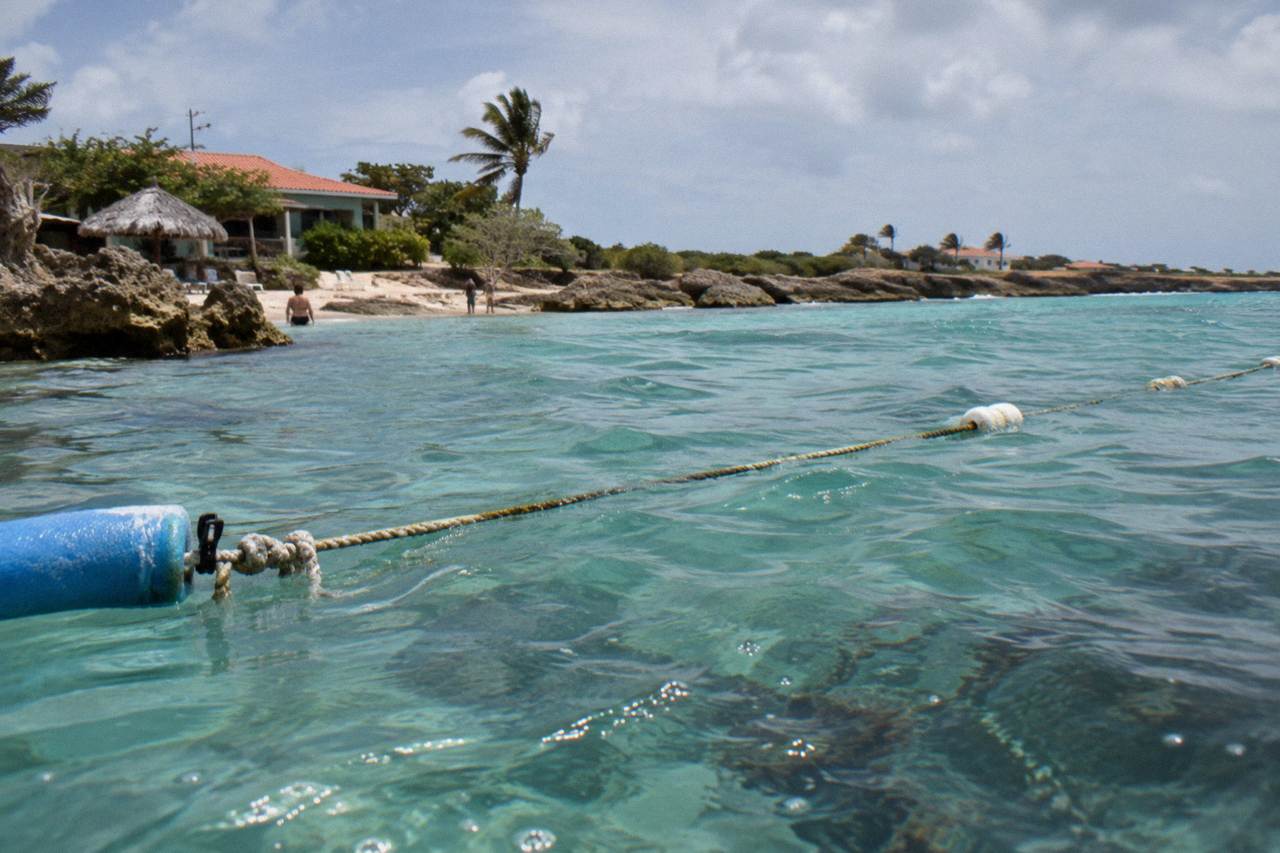
Is Snuba Safer Than Scuba?
Snuba and scuba differ by mechanism, not by a ranking anyone can hand you: snuba draws air through a hose from a raft at the surface, while scuba carries the tank on your back, and each setup asks something different of your body, your training and your attention underwater. No incident figures exist for either activity in Aruba that this comparison could honestly lean on, and none will be invented here. What can be compared is how each system works, what certification each asks about, and what depth each one realistically reaches on Aruba's reefs and wrecks. The rest is a decision between you and the operator running the trip. If pregnancy is part of your planning, the guide to snuba and pregnancy in Aruba covers what the local listings say and what to ask a doctor and an operator before you commit.
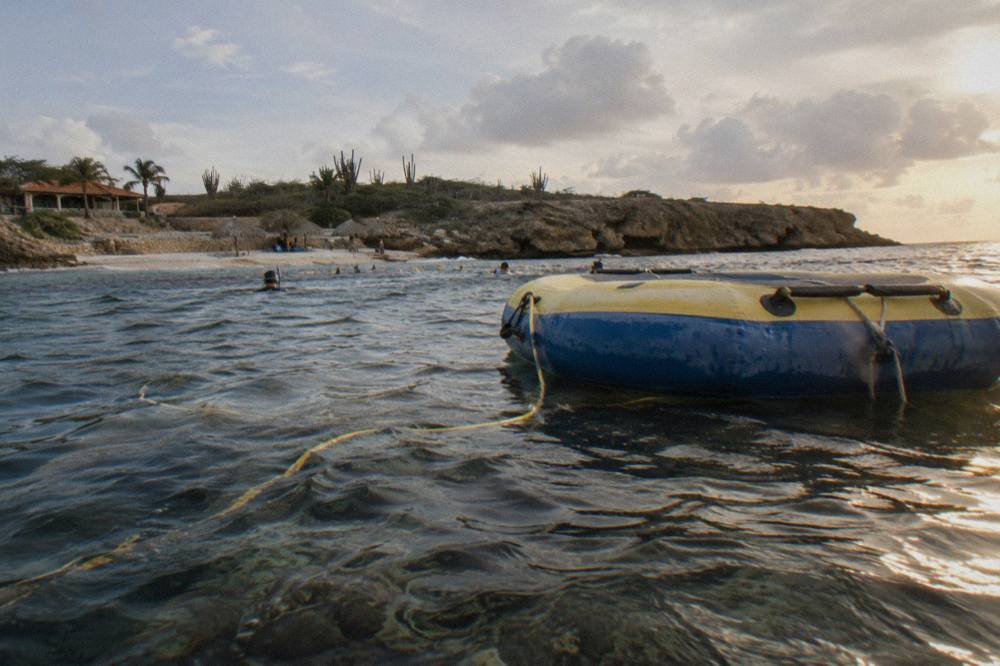
Snuba sits between snorkeling and scuba. You breathe through a regulator, exactly like a diver, but your air supply stays on the surface, connected to you by a hose that limits how deep you can go. You cannot swim away from your air, and you cannot go deeper than the hose allows. Scuba removes that ceiling: the tank rides on your back and the range of the dive is set by your training, your air supply and the dive plan you agreed to.
The question people are really asking is which one demands less of them. The honest answer is that snuba demands less preparation and offers less range, while scuba demands formal training and offers far more. Neither of those is a safety score, and the listings covered here do not state incident records for either. Anyone weighing the two should check with the operator about the training, briefing and health screening each activity requires before booking.
For readers whose real goal is simply to see Aruba's underwater sights without strapping on a tank, the surface alternatives are strong and well reviewed, and several are compared later in this article.
How Does Snuba Work Compared To Scuba?
In snuba, the air supply floats on a raft at the surface and reaches you through a long hose, so your depth is capped by the hose length and you stay tethered to the raft; in scuba, the tank is on your back, so depth and distance are governed by your training, your gauges and the dive plan rather than by a physical line. That is the entire mechanical difference, and it explains almost everything else: the gear you carry, the briefing you get, the depth you reach and how much instruction each activity requires before you enter the water. It does not, by itself, tell you which one to pick.
With snuba, you wear a mask, fins, a weight belt and a regulator, and nothing on your back. The raft follows you as you swim. Because the hose limits your range, the activity usually happens on shallow reefs where there is something to see within that range. Aruba's south coast fits that profile well: the calm, mangrove-fringed water around Mangel Halto is one of the island's quieter snorkel areas, with reef close to shore, according to the island's own beaches guide. Snuba does operate on Aruba, though as a separate paid activity rather than part of the snorkel tours compared on this site, alongside the Sea Trek helmet walk.
Scuba, by contrast, is a certified-diver activity in most of its forms. Open Water certification typically involves confined water training, classroom or online theory, and supervised open water dives, and the depth range of the certification governs where you can go. The tank on your back means buoyancy control becomes a skill you actively manage, and the diver, not a hose, is responsible for monitoring air and depth. None of that makes scuba alarming; it makes it a discipline, and disciplined divers plan their dives.
| Aspect | Snuba | Scuba |
|---|---|---|
| Air supply | Raft or float at the surface | Tank worn on the back |
| Connection to air | Hose of limited length | None, diver carries supply |
| Typical depth reach | Limited by hose length | Set by certification level and dive plan |
| Training before entering water | Operator briefing, check with the operator for details | Formal certification normally required |
| Gear worn | Mask, fins, weights, regulator | Full scuba set including tank and buoyancy control |
| Where it runs in Aruba | Paid add-on at De Palm Island | Dive shops around the island |
One mechanical point worth sitting with: the hose that caps snuba's depth also means the surface is always directly above you, but it also means you and the raft move together, and managing that line is part of the briefing. Scuba removes the line and hands you the responsibility that comes with it. Which of those fits you is a question of comfort and training, not a ranking, and operators on the island can walk you through the specifics before you commit. The deeper comparison of what you actually see at each depth comes next.
Do You Need Certification For Snuba Or Scuba?
Scuba normally requires certification, most commonly an Open Water qualification, while snuba is sold as a guided activity with a pre-dive briefing rather than a course, and the exact requirements in Aruba vary by operator, so the honest instruction is to check with the operator about training, health screening and age minimums before booking either. No listing covered here states an age limit or a health questionnaire for snuba, and none will be invented. What can be said generally is that snuba operators brief participants on the hose, the regulator and hand signals before the water, and that scuba's certification pathway exists precisely because the diver manages their own air supply.
The certification difference matters for trip planning more than for anything else. A certified diver arriving in Aruba can book dive trips quickly. A visitor with no certification who wants to breathe underwater has two realistic routes: a discover-style scuba experience, which some dive centers run as a supervised shallow dive with instruction, or snuba, which skips the course entirely. Which one a given operator offers, and on what terms, is on their own listing and their own staff to confirm.
Age and health questions follow the same rule. The listings covered here do not state pregnancy restrictions, mobility accommodations or medical fitness requirements for snuba or scuba, and printing a general answer would be guessing. Ask the operator directly. This is also true of many boat tours on the island: a listing such as the Octopus Premium Catamaran Afternoon Sail lists its inclusions in detail, including a certified first responder among the crew, but states its own policies only on its live listing.
The practical takeaway is simple. Certification is the biggest single administrative difference between the two activities, and it is a difference you can resolve with one question to the operator before you book anything. Visitors who want a fuller walk-through of the snuba product itself can read the site's Aruba snuba guide, and the cost side is covered separately in how much does snuba cost.
What Can You See Snuba Diving In Aruba?
Aruba's underwater sights cluster in the shallow band where snuba operates: reef fish at Boca Catalina, turtle territory at Tres Trapi, mangrove-edged coral at Mangel Halto, and the upper reaches of the Antilla wreck, whose highest points sit about 15 feet below the surface according to the Antilla Shipwreck Aruba site, with the hull descending to about 60 feet. That upper wreck section is within reach of surface-based visitors in calm conditions, which is exactly why so many snorkel and snuba products call there, while the deeper hull belongs to scuba.
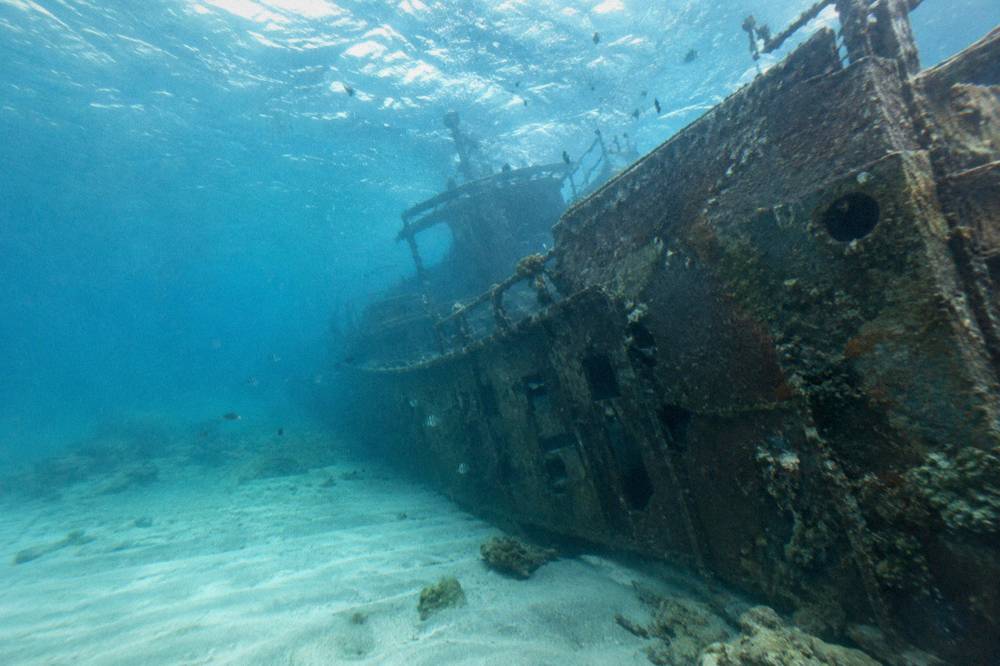
The SS Antilla is the island's signature wreck. It was a German Hamburg America Line cargo ship, scuttled in January 1940 after the Netherlands entered the war, and it lies on its port side on a flat sandy bottom. The site's typical visibility runs 50 to 100 feet, best from March to August and slightly reduced from December to February by wind and waves, and water temperatures across the year range from about 79 to 85 F. Those are site figures, not guarantees for any given day, and conditions change.
The depth layering is what makes the wreck useful for this comparison. Snorkelers and snuba visitors experience the bow and superstructure from above, in that top 15 feet or so, with light, color and fish activity concentrated there. Certified divers descend along the hull. The same reef, two experiences, set apart by mechanism and training. Water temperature varies month to month, and the site's water temperature by month breakdown covers the full year if you are picking a travel window.
Turtles are the other common target. Look for turtles around Tres Trapi and Boca Catalina, and no honest operator guarantees a sighting, though several tours make those exact spots their itinerary. A private option is the Aruba Turtle Snorkeling Private Tour with Underwater Footage from Underdog Divers, rated 4.9 from 761 reviews, from $95 per person for a trip at Tres Trapi that runs 1 hour 30 minutes and includes a professionally edited video of the swim. It runs on snorkel gear rather than snuba, which is the point: much of what snuba visitors travel to see, snorkelers reach too, with no hose and no course.
What If You Prefer To Stay At The Surface?
Every major Aruba underwater sight except the deep hull of the Antilla is reachable from the surface, and the island's listings include glass bottom boats, sea scooters, Seabob scooters and guided snorkel trips that reach the same reefs without any breathing apparatus beyond a snorkel. For visitors whose hesitation about scuba is the tank, or about snuba is the regulator, these options cover the same water on the same day, often for less money, and several carry large review pools.
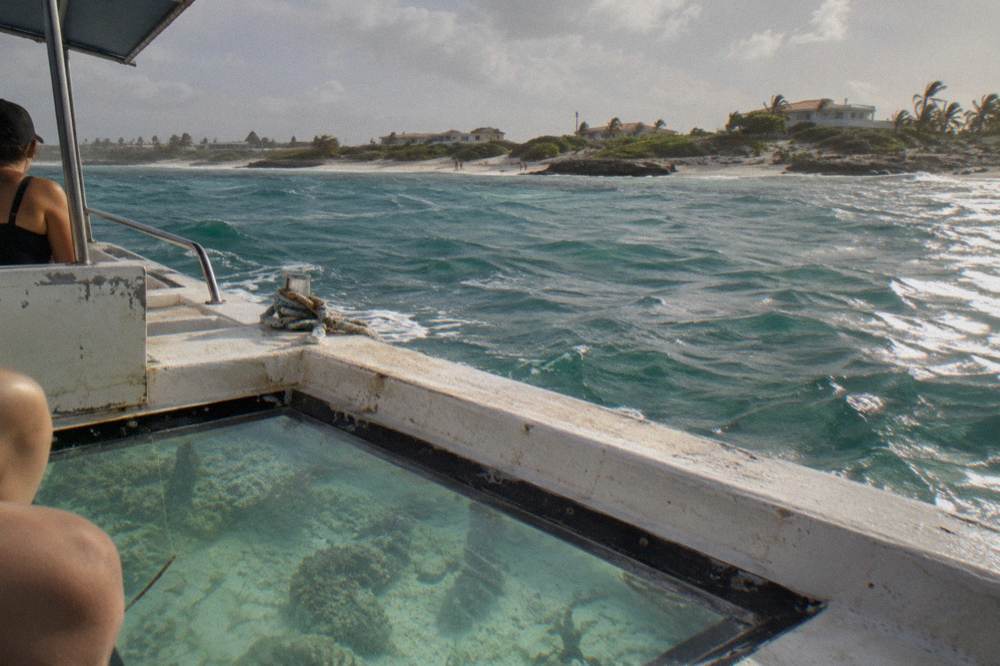
The glass bottom route is the lowest-commitment option of all. Aruba Snorkel Sites by Glass Bottom Boat from Malmok Charters, rated 5.0 from 47 reviews, runs from $60 per person for up to 10 guests on a 1 hour 30 minutes loop past the Antilla wreck, Boca Catalina and Tres Trapi, with snorkel gear and drinks included. You watch the wreck through the hull, then get in the water at the shallow stops. Aruba Snorkeling Tours features it for readers who want the reef without the gear decisions, and it links naturally to the non-swimmer glass bottom options covered elsewhere on the site.
Scooters add propulsion. The Small-Group Sea Scooters Snorkel at Mangel Halto Beach from Aruba Bob, rated 5.0 from 438 reviews, runs from $100 per person for up to 6 guests over 2 hours 30 minutes, with pictures included. The Antilla Shipwreck Seabob Tour from Segway Aruba, rated 4.9 from 225 reviews, runs from $120 per person for up to 15 guests with hotel pickup listed, using underwater scooters at the wreck. Both hold you at snorkel depth; the machine does the swimming.
The charters cover the same range for groups. The Octopus Private Aruba Snorkeling Excursion with Rum Punch, rated 4.9 from 610 reviews, runs from $140 per person for a 2-hour private trip with snorkel gear, drinks and hotel pickup listed. On the sail side, the Palm Pleasure Morning Snorkel Sail from De Palm Tours, rated 4.7 from 708 reviews, runs from $124 per person for 4 hours with an open bar, lunch buffet and three stops at the Antilla, Boca Catalina and Arashi. Neither involves a regulator.
Which Aruba Tours Work For Non-Divers?
Non-divers can reach the Antilla's upper wreck, the Boca Catalina reef, the Tres Trapi turtle grounds and the Mangel Halto mangroves on ordinary snorkel tours, glass bottom boats and scooter trips, and the listings here span from $57 per person for a beach-hop bus day to $179 per person for a multi-stop catamaran sail. The spread is wide enough that budget, group size and swim confidence, rather than dive certification, end up driving the choice. That is the quiet conclusion of the whole snuba-versus-scuba question: most of what visitors want to see sits within snorkel reach.
The budget end is real. The Mangel Halto and Baby Beach Snorkeling Guided Tour from El Tours & Transfers, rated 4.5 from 308 reviews, runs from $57 per person for 5 hours on an open air bus with hotel pickup listed, visiting two of the island's calmest shore spots. The Flagship Morning Snorkel Cruise aboard a classic schooner runs from $59 per person for 3 hours with an open bar and a meal, though only a handful of travelers have reviewed it so far. Big-boat trips such as the Delphi Dolphin catamaran, rated 4.7 from 466 reviews from $69 per person, sit just above.
Families and nervous swimmers have specific options too, covered in depth in the site's snorkeling with kids guide. Baby Beach's shallow lagoon-style bay is aimed squarely at beginners and children, and shore snorkeling there and at Boca Catalina, Arashi and Mangel Halto costs nothing beyond your own gear, since Aruba's beaches are public and free to enter. The rules that apply in the water are the island's own: do not feed or touch marine life, leave shells and coral in place, and use mineral reef-safe sunscreen, since sunscreens containing oxybenzone are banned, per the island's responsible-visitor guidance.
Whatever surface trip you choose, the same etiquette applies at the reef, and the same weather reality: the Aruba meteorological service publishes a marine forecast showing wind, wave height by coast and shower chances that is worth a look on the morning of any boat day. Operators watch it too, and trips can be rescheduled. Between the free beaches, the $57 bus day and the catamaran sail, the surface-only visitor gives up very little.
Common Questions About Snuba And Scuba In Aruba
Is Snuba Safer Than Scuba?
There is no honest verdict to print. The two differ by mechanism: snuba draws air through a hose from a raft at the surface, which caps your depth and keeps the surface directly above you, while scuba carries the tank on your back and relies on your training and buoyancy control. Which suits you depends on your comfort, your health screening and the operator's briefing, and those are questions for the operator before you book.
Do I Need A Scuba Certification To Try Snuba In Aruba?
Snuba is sold as a guided activity with a pre-dive briefing rather than a certification course, but exact training, health and age requirements vary by operator. Scuba normally requires certification, most commonly Open Water. Check with the operator for the specific requirements of the trip you are considering.
Can You See The Antilla Wreck Without Scuba Gear?
Yes, the upper sections. According to the Antilla Shipwreck Aruba site, the wreck's highest points sit about 15 feet below the surface and are accessible to snorkelers in calm conditions, while the hull descends to about 60 feet. Many snorkel sails and the glass bottom boat tours call there, and snuba visitors operate in that same shallow band.
What Can I Do Instead If I Do Not Want To Breathe Underwater?
Plenty. The glass bottom boat tour from Malmok Charters runs from $60 per person past the wreck, Boca Catalina and Tres Trapi. Sea scooter and Seabob trips hold you at snorkel depth while the machine pulls you along, and ordinary snorkel sails cover the same reefs with gear included. All the major sights except the wreck's deep hull are surface-reachable.
Are Aruba's Shore Snorkel Spots Free To Enter?
Yes, Aruba's beaches are public and free to enter, including Mangel Halto, Boca Catalina, Baby Beach and Arashi. You bring your own gear. The only visitor fee that applies is the $20 Sustainability Fee for travelers arriving by air, paid through the ED Card, with exemptions for children under 8 and cruise passengers.