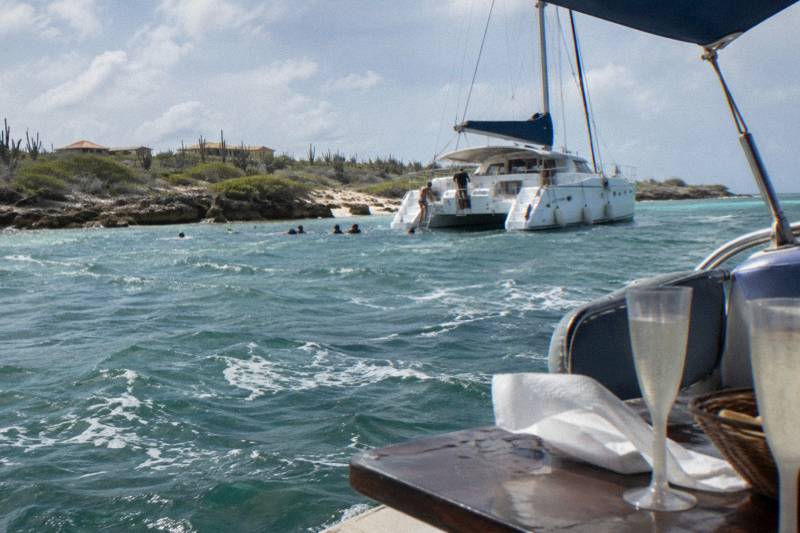
Aruba Water Temperature By Month For Snorkelers
Aruba's sea stays warm enough to snorkel every month of the year, but the swing from February to October is real, and it changes what you wear in the water and which trips feel best.
Short answer
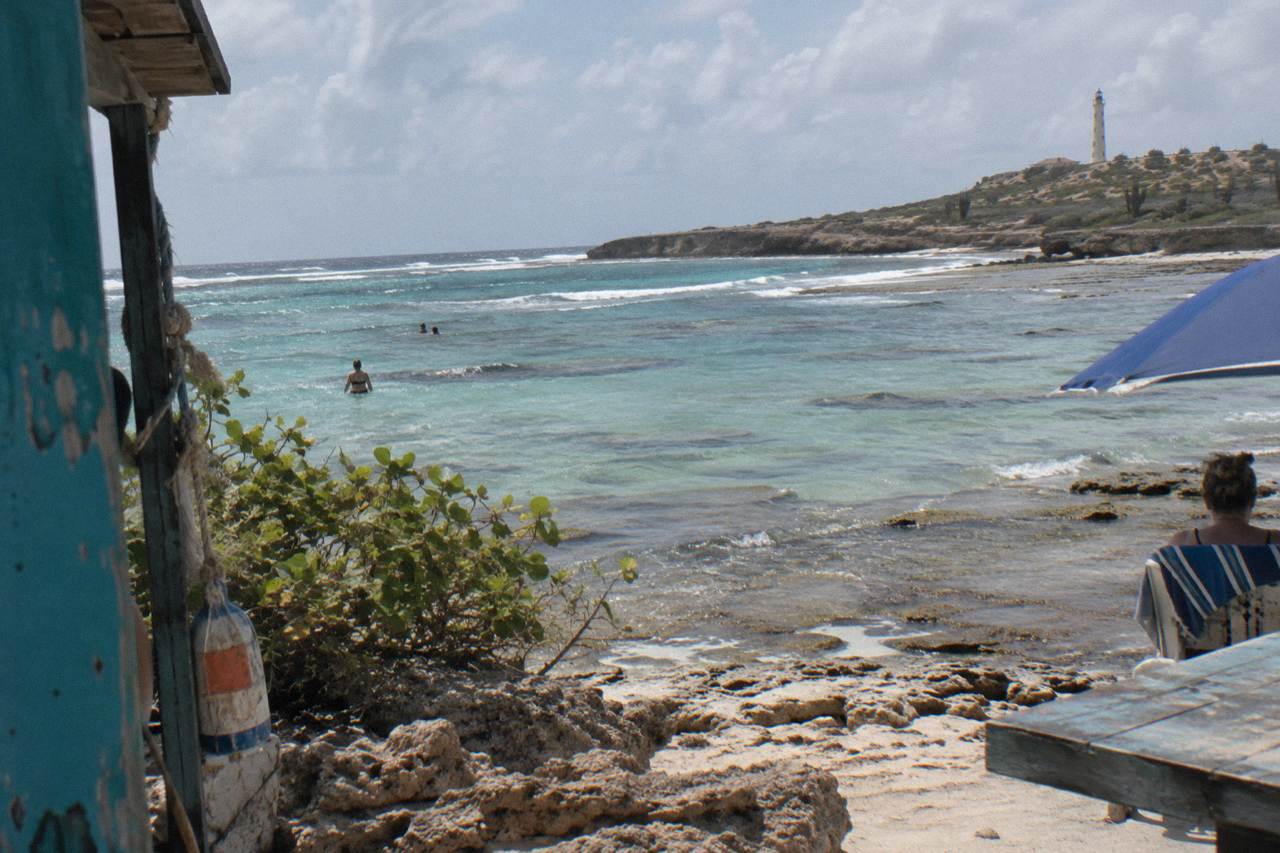
Aruba's monthly average sea temperature runs from 26.1 C (79.0 F) in February to 29.2 C (84.6 F) in October. Every month sits inside a snorkel-friendly band, so a wetsuit is optional in most seasons and shorty suits matter mainly in the cooler, breezier months.
Aruba sits far enough south that its sea never turns cold the way Atlantic island waters do. The monthly averages published by seatemperature.org for Oranjestad run in a narrow band, from 26.1 C (79.0 F) in the coldest month to 29.2 C (84.6 F) in the warmest, which means the question for a snorkeler is rarely whether the water is bearable. It is whether you want a shorty wetsuit on a windy February morning, and whether October's warmth lines up with the trip you already had your eye on.
That temperature band is one reason the island's snorkel calendar is so crowded on the water. A morning sail such as the Pelican Morning Sail, Champagne Brunch, from $85 per person and 4.7 from 2,238 reviews, the most reviewed listing covered here, runs the same four-hour route past Malmok, Boca Catalina and the Antilla wreck whether the sea is at its February low or its October high. The water temperature decides your comfort in it, not whether the trip happens.
What Is The Water Temperature In Aruba By Month?
The monthly averages for Oranjestad, from seatemperature.org, range from 26.1 C (79.0 F) in February to 29.2 C (84.6 F) in October, with every other month somewhere between those two points. The swing across the whole year is just over three degrees Celsius, or about five and a half degrees Fahrenheit, which keeps snorkeling viable in all twelve months.
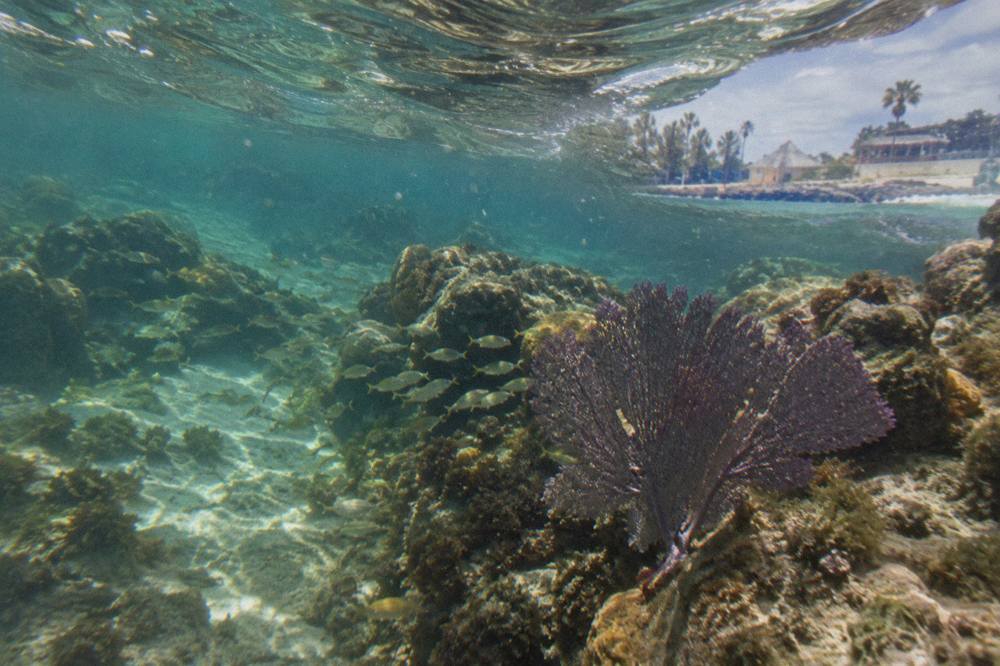
The full table, exactly as the figures appear on seatemperature.org, is below. The Celsius and Fahrenheit values are the monthly averages, not daily readings, and they describe the sea surface at Oranjestad rather than any single snorkel spot.
| Month | Sea temperature (C) | Sea temperature (F) |
|---|---|---|
| January | 26.9 | 80.4 |
| February | 26.1 | 79.0 |
| March | 26.2 | 79.2 |
| April | 26.7 | 80.1 |
| May | 27.6 | 81.7 |
| June | 27.9 | 82.2 |
| July | 27.4 | 81.3 |
| August | 28.1 | 82.6 |
| September | 28.9 | 84.0 |
| October | 29.2 | 84.6 |
| November | 28.6 | 83.5 |
| December | 27.3 | 81.1 |

Two readings matter more than the absolute numbers for a snorkeler. The first is that the coldest stretch, January through March, still averages above 26 C, which is warm enough for snorkeling in any month of the year. The second is that the warmest stretch, September through November, coincides with the months Aruba's tourism authority describes as hurricane season elsewhere in the region, while Aruba itself sits outside the hurricane belt and has recorded no direct hurricane hit since 1851, per the Aruba Tourism Authority. Weather can still change between June and November, but the sea itself stays at its warmest.
The Pelican morning sail with champagne brunch is a natural fit for readers planning around these numbers, since the listing includes snorkel gear and an open bar with breakfast and lunch, and free cancellation is listed if your travel month shifts. Check the champagne brunch morning sail tour page if that format matches your dates.
When Is Aruba Sea Water Warmest And Coldest For Snorkeling?
February is the coldest month at an average of 26.1 C (79.0 F), and October is the warmest at 29.2 C (84.6 F). March, January and December cluster just above the February low, while September and November sit just under the October peak, so the extremes are brief rather than long seasons.
The practical shape of the year is a gentle U. From January through April the averages hover between 26.1 and 26.9 C. May begins a steady climb that peaks across September and October, and by December the average falls back to 27.3 C. For a snorkeler coming from a northern climate, even the bottom of that U feels like a warm swimming pool on arrival; the difference shows up after an hour in the water, particularly on a trip with multiple stops.
This is where tour length interacts with temperature. The Red Sail Half-Day, 3 Snorkel Stops, Lunch, from $107 per person and 4.8 from 860 reviews, spends four hours on the water with three stops, so a February booking means more cumulative time in 26-degree water than a shorter trip would give you. The Banana Adventure Catamaran, Wreck and Turtles, from $65 per person and 4.8 from 231 reviews, compresses its wreck and turtle stops into three hours, which many snorkelers find comfortable in the cooler months without extra insulation.
Wind belongs in this conversation too, because wind chill on a wet body is what actually makes a cool-water snorkel feel cold. The monthly mean wind speed at Beatrix Airport, from the meteorological service's 1981 to 2010 climate normals, runs 8.7 m/s in June at its highest and 5.8 m/s in October and November at its lowest. February's mean of 7.6 m/s is moderate, but a stiff trade wind on the boat ride back can make 26-degree water feel cooler than the number suggests.
| Month | Rainfall (mm) | Rainy days (1 mm or more) | Mean wind speed (m/s) |
|---|---|---|---|
| January | 44.0 | 10.8 | 7.0 |
| February | 19.5 | 4.5 | 7.6 |
| March | 10.0 | 2.0 | 7.7 |
| April | 8.6 | 1.5 | 7.7 |
| May | 14.1 | 1.7 | 8.0 |
| June | 17.4 | 2.8 | 8.7 |
| July | 19.6 | 4.1 | 8.1 |
| August | 31.4 | 3.1 | 7.8 |
| September | 42.9 | 3.3 | 6.8 |
| October | 76.5 | 7.3 | 5.8 |
| November | 87.1 | 9.6 | 5.8 |
| December | 80.1 | 11.0 | 6.4 |
Read that table against the temperature one and a pattern emerges: the warmest water months, October and November, are also the wettest and the least windy, while the driest months, March and April, carry the steady trade winds of the high season. Neither pattern is a reason to skip a month; it is a reason to pick your trip style to match. More on how the seasons pair with different trips appears in the Aruba weather and hurricane season guide, and the month-by-month trade-offs for booking are laid out in when to snorkel in Aruba.
If warm water is the whole point of your trip, three tours stand out for different reasons: the morning champagne brunch sail for the full-day-out feel, the Octopus afternoon catamaran for a shorter warm-water outing with lunch, and the glass bottom boat for staying dry entirely.
Do You Need A Wetsuit To Snorkel In Aruba?
Most snorkelers do not need a wetsuit in Aruba at any point in the year, since the monthly averages never drop below 26.1 C (79.0 F). A shorty wetsuit or a rash guard is a reasonable choice from January through March for long sessions, repeated stops, or anyone who feels the cold, and it also protects shoulders from sun exposure.
The honest framing is comfort, not necessity. An hour of snorkeling at 26 degrees is pleasant for most people in a swimsuit. Three hours across multiple stops, with wet boat rides between them under a trade wind, is where colder-blooded snorkelers start to think about neoprene. None of the listings covered here include wetsuits in their stated inclusions; snorkel gear is listed on every tour line, but a wetsuit is not part of it, so if you want one, bring your own or rent it separately and check what the operator offers before you book.
A rash guard solves most of the problem in the cool months. It cuts wind chill on the surface, blocks the sun on your back during long floats, and adds a thin thermal layer that matters more than it looks at these temperatures. The what to bring on a snorkel tour guide covers the full packing question, including reef-safe sunscreen, which in Aruba is not optional advice: sunscreens containing oxybenzone are banned, and mineral-based reef-safe sunscreen is advised, per Aruba's own responsible-guest guidance on aruba.com.
Trip length is the other lever. In the coolest months, a shorter outing limits your total time in the water. The Octopus Afternoon Catamaran, Lunch, from $74.99 per person and 4.7 from 657 reviews, runs three hours with stops at Malmok, Boca Catalina and the Antilla, with an open cocktail bar and lunch listed, on a catamaran capped at 34 guests. The same logic applies in reverse in October, when 29-degree water makes long floats effortless and a four-hour trip feels short.
How Does Water Temperature Affect Snorkel Boat Trips From Palm Beach?
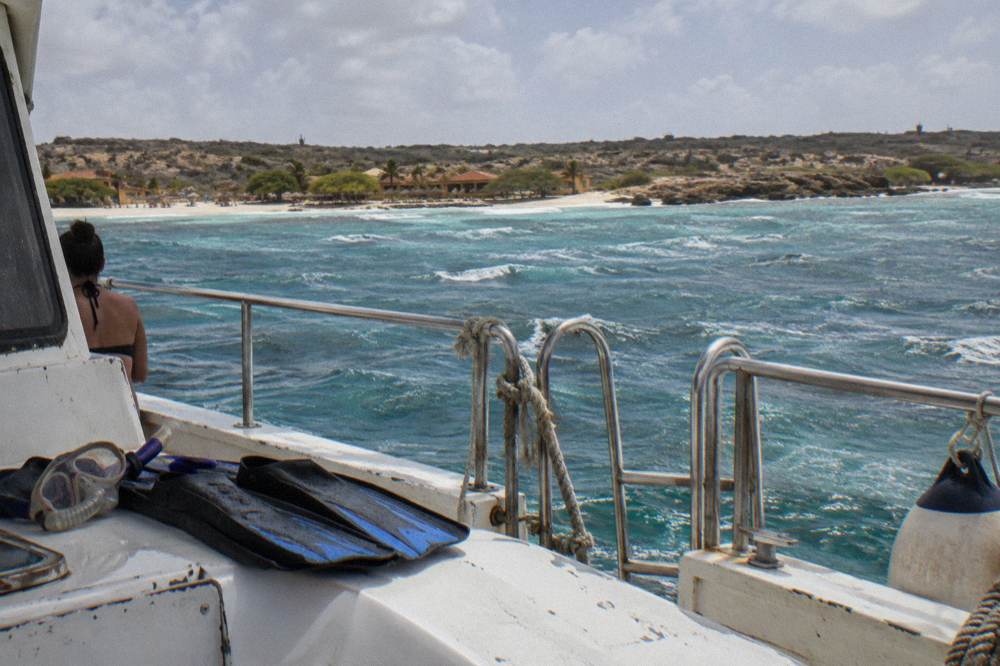
Water temperature itself rarely changes how Palm Beach departures run, because every month falls inside a comfortable band and trips operate year-round. What changes is the combined effect of temperature, wind and surface chop, since cooler months bring steadier trade winds that can rough up the ride between stops even when the water underneath stays warm.
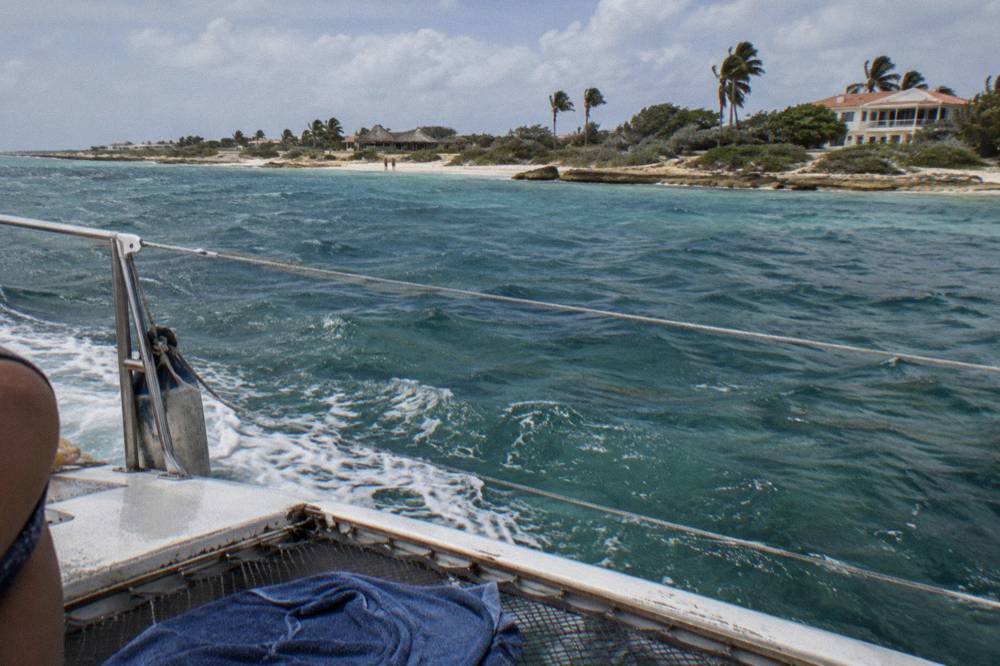
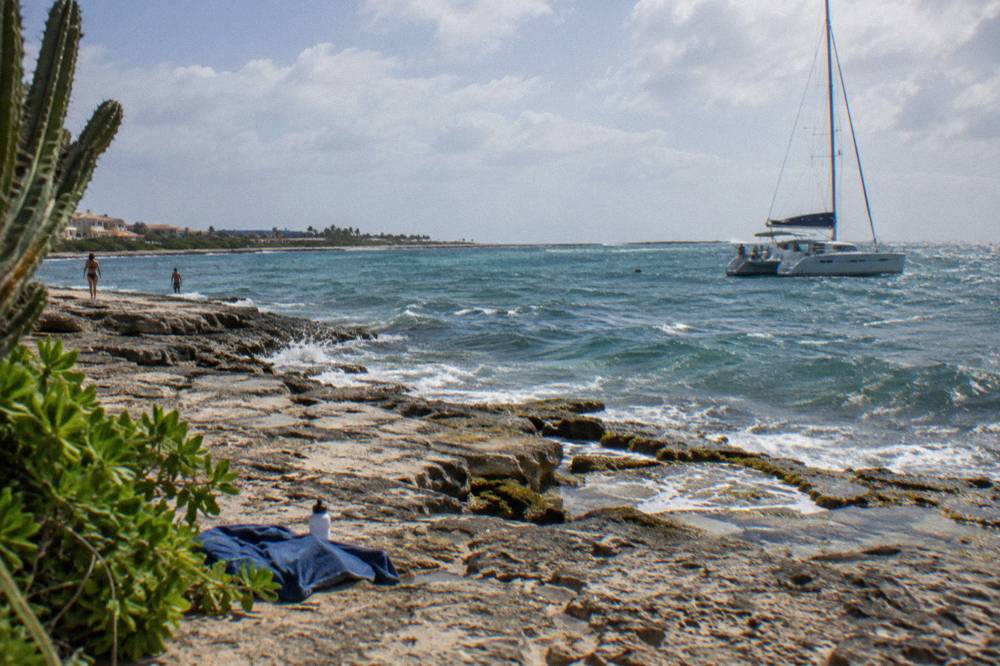
Most of the sail-and-snorkel fleet leaves from the Palm Beach stretch: Pelican Pier for the Pelican trips, Piet's Pier for Red Sail, De Palm Pier for the Palm Pleasure catamaran, and the Octopus beach hut for the Octopus afternoon sail. From there the standard run heads north and west toward Malmok, Boca Catalina and the Antilla wreck, all in the sheltered lee of the island's northwest corner, which is exactly why the water there is calm for snorkeling even when the wind is up. The aruba.com beaches page describes the west and south coasts as calm and protected, good for swimming and snorkeling, while the east and north coasts face open sea with stronger wind. Snorkelers who get hooked on the Antilla often start wondering about going deeper, and our look at whether diving is better in Aruba or Curaçao weighs what each island offers below the surface.
The wind numbers explain the seasonal texture of these trips. June, the windiest month at a mean of 8.7 m/s, pairs with a warm 27.9 C sea, so a June boat ride is breezy but the water is bath-warm. October, the warmest water month, is also one of the two calmest wind months at 5.8 m/s, which is why many readers who love long, lazy floats land on October and November trips. The marine forecast from the Aruba meteorological service, at meteo.aw, shows wind direction and speed in knots and wave height by coast, and it is worth a look on the morning of any boat day.
One Antilla-specific note belongs here, because temperature connects to visibility. According to the Antilla Shipwreck Aruba site, typical visibility at the wreck runs 50 to 100 feet, best from March to August, and slightly reduced from December to February from wind and waves rather than from the water temperature itself. The hull's highest points sit about 15 feet below the surface on a flat sandy bottom, so snorkelers see plenty in calm conditions regardless of season; the deeper story is in the Antilla shipwreck snorkeling guide.
For travelers who would rather not get in the water at all, in any temperature, the glass bottom boat from Malmok runs past the same Antilla, Boca Catalina and Tres Trapi sites for from $60 per person, 5.0 from 47 reviews, capped at 10 guests, in an hour and a half.
What About Rain And Hurricane Season Alongside The Warm Water?
Aruba's warmest sea months, September through November, fall inside the Atlantic hurricane season that runs 1 June to 30 November, but Aruba sits outside the hurricane belt and has recorded no direct hurricane hit since 1851, per the Aruba Tourism Authority. Rain does increase in those months, with November averaging 87.1 mm, yet the sea stays at its warmest.
The distinction between water temperature and weather matters for planning. A warm sea does not guarantee a calm day, and a rainy month does not guarantee a spoiled trip. November's 87.1 mm of average rainfall comes on 9.6 rainy days, which still leaves most days dry, and the rain in Aruba tends to pass rather than settle in rather than all-day events. The cumulative year averages 451.1 mm, low by Caribbean standards.
Storms can still bring rain, gusts or calm even outside the belt, as the tourism authority states plainly, and no operator here will tell you a trip never cancels. The tours on this site come with free cancellation, one practical answer to season uncertainty: book the trip that fits your dates, and the cancellation policy shown on each operator's live booking page is where you confirm the terms before you count on them.
Trips that lean into the late-year warmth do exist. The Spronk Wreck and Turtle Snorkel, Sunset BBQ, from $119 per person and 4.6 from 378 reviews, spends four and a half hours across Boca Catalina, Tres Trapi and the Antilla and ends with dinner, which suits an October or November afternoon when the sea is at 29 degrees and the wind is at its annual low. The listing caps the boat at 35 guests and lists open bar and snorkel gear, hotel pickup extra.
Which Snorkel Tours Fit Each Part Of Aruba's Temperature Curve?
Warm-water months from June through October pair well with long, multi-stop sail trips and sunset dinners, while the cooler, windier stretch from January through April favors shorter outings, small-group trips and beach-based snorkeling where you can warm up on the sand between swims. Durations and inclusions stay the same regardless of the month's average water temperature, though weather can still cancel or alter trips..
The pairing below uses each tour's published details: duration, price basis, rating with its review count, and the group cap where the listing states one. Nothing in the table is a promise about conditions on your date; it is a match between trip format and the seasonal texture the temperature and wind numbers describe.
| Season profile | Tour and operator | Duration | From (USD) | Rating | Guests |
|---|---|---|---|---|---|
| Warm months, long day out | Morning Snorkel Sail with Premium Champagne Brunch, Pelican Aruba | 4 hours | $85 per person | 4.7 from 2,238 reviews | up to 60 |
| Warm months, shorter sail with lunch | Premium Catamaran Afternoon Sail, Octopus | 3 hours | $74.99 per person | 4.7 from 657 reviews | up to 34 |
| Cooler months, short and dry | Aruba Snorkel Sites by Glass Bottom Boat, Malmok Charters | 1 hour 30 minutes | $60 per person | 5.0 from 47 reviews | up to 10 |
| Cooler months, small-group beach trip | Small-Group Sea Scooters Snorkel at Mangel Halto, Aruba Bob | 2 hours 30 minutes | $100 per person | 5.0 from 438 reviews | up to 6 |
| Any month, full south-coast day | Mangel Halto and Baby Beach by open air bus, El Tours | 5 hours | $57 per person | 4.5 from 308 reviews | up to 45 |
| Any month, private and short | Private Aruba Snorkeling Excursion with Rum Punch, Octopus | 2 hours | $140 per person | 4.9 from 610 reviews | Not stated |
The beach-hop options deserve the note that the south coast behaves differently from Palm Beach. Mangel Halto and Baby Beach sit on the calm, protected south side, and Aruba's beaches are public and free to enter, so a trip like the Nautilus Mangel Halto and Baby Beach outing, from $95 per person and 4.6 from 112 reviews with hotel pickup listed, alternates water time with sand time in a way that suits the cooler months. On Aruba Snorkeling Tours the tour picker groups all of these by trip type if you want the full field rather than a seasonal shortlist.
For the warm-water peak, the Octopus afternoon catamaran earns its place in the table twice over: it is short enough for a relaxed warm-water swim, and its lunch and open cocktail bar make the boat time as much of the outing as the snorkel stops. Its listing states stops at Malmok, Boca Catalina and the Antilla, gear and instruction, restrooms on board and a certified first responder among the crew.
Whatever the month, one fixed fact survives every seasonal shift: the Antilla wreck sits in that same sheltered northwest water, shallow enough at its highest points for snorkelers, and reachable on trips from $60 per person on this site. Water temperature decides your wetsuit. It does not decide your itinerary.
Common Questions About Aruba Water Temperature
What Is The Water Temperature In Aruba By Month?
Monthly averages at Oranjestad run from 26.1 C (79.0 F) in February to 29.2 C (84.6 F) in October. The full month-by-month table in Celsius and Fahrenheit appears above, exactly as published by seatemperature.org.
When Is Aruba Sea Water Warmest And Coldest For Snorkeling?
October is the warmest month at 29.2 C (84.6 F) and February the coldest at 26.1 C (79.0 F). September and November sit just below the peak, and January and March just above the low.
Do You Need A Wetsuit To Snorkel In Aruba?
Usually no. With every monthly average above 26 C, most snorkelers are comfortable in a swimsuit or rash guard. A shorty wetsuit makes sense from January through March for long sessions or if you feel the cold easily, and no listing covered here includes one.
Is Aruba Water Warm In February?
February is Aruba's coldest month, but the average is still 26.1 C (79.0 F), warmer than many Caribbean islands in their peak season. Trade winds can add chill on boat rides between snorkel stops.
Does Hurricane Season Affect Aruba Water Temperature?
The warmest water, September through November, falls inside the 1 June to 30 November hurricane season, but Aruba sits outside the hurricane belt and has had no direct hurricane hit since 1851 per the Aruba Tourism Authority. Rain increases in those months while the sea stays warm.