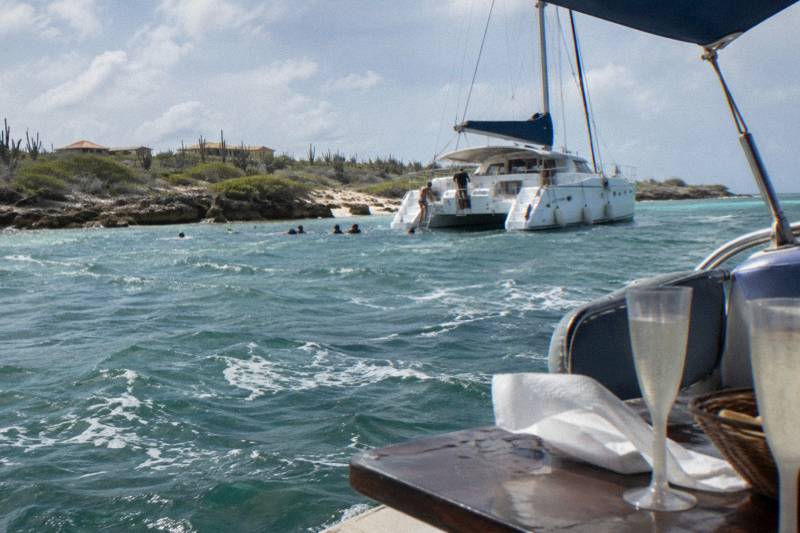
Best Time To Snorkel In Aruba, Month By Month
Aruba sits outside the hurricane belt with warm water all year, so the best time to snorkel comes down to wind, rain and crowds rather than whether the sea is swimmable at all.
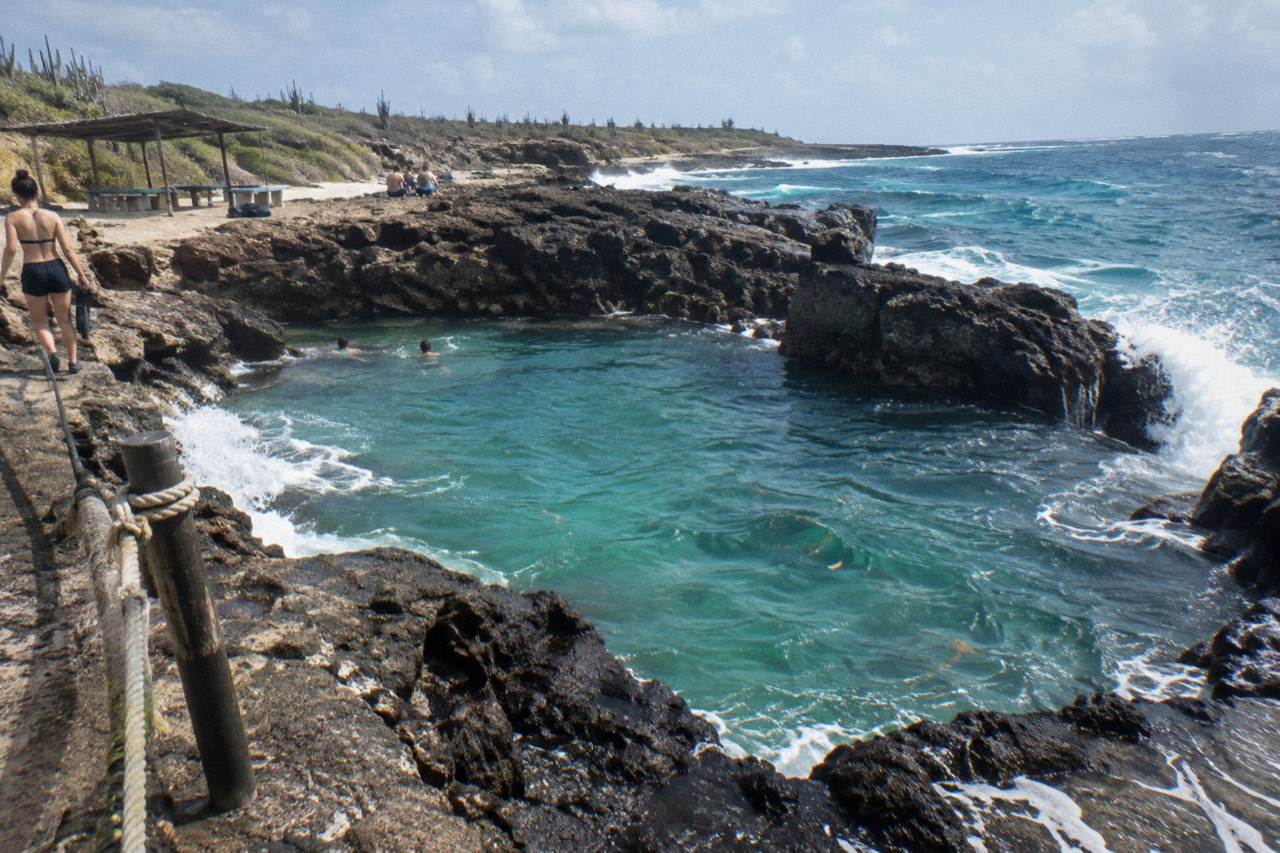
Short answer
Sea temperature in Oranjestad runs from a low of 79.0 F in February to a high of 84.6 F in October, and June is the windiest month on record while October is among the calmest. March through August brings the least rain and the best reported visibility at the Antilla wreck, so that stretch is the strongest overall window for snorkeling.
Aruba earns its reputation as a year-round snorkel destination honestly: the sea around Oranjestad never drops below a monthly average of 79 F, the island sits outside the main hurricane corridor, and its west and south coasts stay sheltered from the trade winds that batter the north shore. That does not mean every month is identical. Wind peaks in June, rain doubles between September and December, and the visibility reported at the Antilla shipwreck is best from March to August. Choosing dates well is the single cheapest upgrade available to a snorkeler, because it costs nothing and changes the water you float in. If your stomach turns on open water, the guide to choosing a calm Aruba snorkel boat trip covers which tours and departure points feel steadiest.
This guide works through the question the way a planner would: water temperature first, then rain, then wind, then the wreck, then the storm season, then the time of day. Every figure comes from long-term climate records and the listings covered on this site. If you want the short version before the detail, the Aruba water temperature by month guide carries the sea temperature data in full, and the homepage comparison pairs each month with the tour styles that suit it.
When Is The Best Time To Snorkel In Aruba Overall?
The strongest overall window is March through August, when Oranjestad averages 10.0 mm of rain or less in March and April, monthly mean wind holds under 8.8 m/s, and visibility at the Antilla wreck is reported best. May through August adds the warmest early water, from 81.7 F to 82.6 F. If calm air matters more than warm water, October and November are the least windy months on record.
Three things move at once in those spring months. Rainfall bottoms out, with March averaging 10.0 mm and April 8.6 mm across the whole month, so the run-off and cloud that dull shallow reefs are rare. The trade winds are steady but not yet at their June peak, and the Antilla Shipwreck Aruba site reports typical visibility of 50 to 100 feet with the best months being March to August. Sea temperature sits in a comfortable band, 79.2 F in March rising to 81.7 F in May.
Crowds follow the northern winter, not the weather. Sea and weather conditions in Aruba vary across the year, so the timing of a visit can shape the snorkeling, from catamaran sails to beach stops. A snorkeler who books May, June or September is picking months inside hurricane season, which runs June through November, when weather can still change. Among the tours on this site, the most reviewed is the Morning Snorkel Sail with Premium Champagne Brunch from Pelican Aruba, a 4-hour sail from $85 per person, rated 4.7 across 2,238 reviews, with free cancellation.
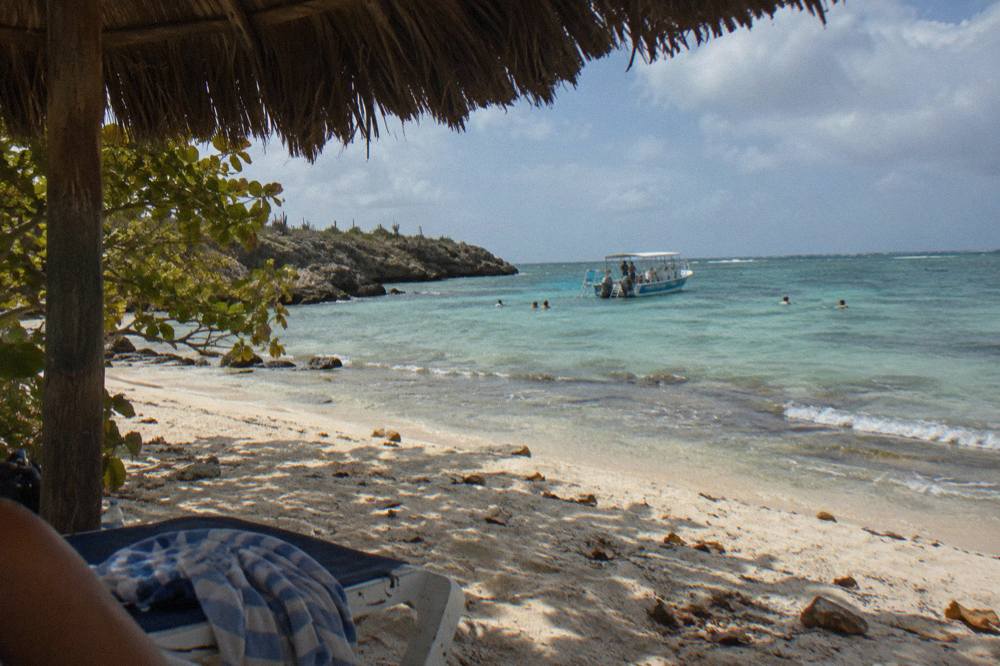
The seasonal logic also interacts with where you snorkel. Protected west coast spots like Boca Catalina and Arashi Beach tolerate windier months better than more exposed sections, which is one reason the free shore snorkeling guide and this one reach the same conclusion: when the wind is up, stay on the sheltered leeward side. That distinction matters most in June and July.
How Warm Is The Sea In Aruba Each Month?
Monthly average sea surface temperature at Oranjestad ranges from 79.0 F in February to 84.6 F in October. Spring and summer both bring warm sea temperatures, and the water stays pleasant from August through November. February is the coldest month and October the warmest on the long-term record.
The full month by month picture, in both Celsius and Fahrenheit, looks like this. The coldest month is still what most swimmers would call warm, and the warmest months are bath-like, so the decision is rarely about comfort limits and more about whether you want a thin rash guard in February.
| Month | Sea temp C | Sea temp F |
|---|---|---|
| January | 26.9 | 80.4 |
| February | 26.1 | 79.0 |
| March | 26.2 | 79.2 |
| April | 26.7 | 80.1 |
| May | 27.6 | 81.7 |
| June | 27.9 | 82.2 |
| July | 27.4 | 81.3 |
| August | 28.1 | 82.6 |
| September | 28.9 | 84.0 |
| October | 29.2 | 84.6 |
| November | 28.6 | 83.5 |
| December | 27.3 | 81.1 |
For a four-hour boat trip, the February figure still means an hour or more in 79 F water, which most snorkelers handle without a wetsuit but some prefer a light layer for. The half-day Red Sail Snorkel Sail Tour with Caribbean Lunch, from $107 per person, rated 4.8 from 860 reviews, spends long stretches in the water across three stops, so water temperature matters more to its guests than to a one-hour beach session. By September and October the question disappears entirely.

There is a practical footnote for cruise passengers and short-stay visitors: monthly averages hide day to day variation, and the snorkel tours for cruise passengers guide covers how a single port day interacts with conditions. February sits close to a warm monthly average, and individual days still swing a little either side.
Does Rain Ruin Snorkeling In Aruba?
Aruba is dry by Caribbean standards, with 451.1 mm of rain across an average year and only 61.7 rainy days. March through June is the driest stretch, from 1.5 to 2.8 days of 1 mm or more per month, while November, December and January are the wettest at 9.6, 11.0 and 10.8 rainy days respectively.
The reason is structural: the Aruba Tourism Authority notes the island sits outside the hurricane belt, and its flat, arid landscape generates little of the convective downpour that drenches greener islands. Rain here falls mostly in short bursts, and the bigger snorkeling effect is not the rain itself but the wind and swell that can accompany a passing system in the June to November season.
| Month | Rainfall mm | Rainy days (1 mm+) |
|---|---|---|
| January | 44.0 | 10.8 |
| February | 19.5 | 4.5 |
| March | 10.0 | 2.0 |
| April | 8.6 | 1.5 |
| May | 14.1 | 1.7 |
| June | 17.4 | 2.8 |
| July | 19.6 | 4.1 |
| August | 31.4 | 3.1 |
| September | 42.9 | 3.3 |
| October | 76.5 | 7.3 |
| November | 87.1 | 9.6 |
| December | 80.1 | 11.0 |
October's number deserves context. It is the third-wettest month by total rainfall, 76.5 mm, yet it is also one of the two least windy months of the year, at a mean of 5.8 m/s. Rainfall in Aruba varies through the year, so check the forecast for your dates before picking a snorkel morning. For snorkeling, which needs light and calm more than it needs a dry deck, that trade can favor October over the drier but breezier spring.
Operators run in light rain regardless; the listing lines covered here all state free cancellation, so a weather-driven cancellation is a refund question rather than a lost booking. If a departure day looks marginal, the Aruba meteorological service marine forecast publishes wind in knots, wave height by coast and shower chances each day, and it is the page worth checking the morning of any boat trip.
For travelers who want the driest possible odds, April is the statistical champion: 8.6 mm of rain, 1.5 rainy days, 80.1 F water and a wind average well below the June peak. That combination is why April and May appear so often in answers to the best month to visit question, and why spring snorkel dates book out early.
When Is Aruba Least Windy For Snorkeling?
Monthly mean wind speed at Beatrix Airport ranges from 8.7 m/s in June, the windiest month, down to 5.8 m/s in October and November, the calmest. The annual average is 7.3 m/s, about 14.2 knots, so Aruba is breezy by nature and the choice is between breezy and calm rather than windy and still.
Wind matters more than temperature for snorkeling quality, because wind drives chop and chop stirs sand off the shallow reefs. The leeward west coast from Palm Beach to Malmok stays sheltered, which is where nearly every boat listing on this site departs, but sustained strong trades still roughen the surface and cut the light reaching the coral.
| Month | Mean wind m/s |
|---|---|
| January | 7.0 |
| February | 7.6 |
| March | 7.7 |
| April | 7.7 |
| May | 8.0 |
| June | 8.7 |
| July | 8.1 |
| August | 7.8 |
| September | 6.8 |
| October | 5.8 |
| November | 5.8 |
| December | 6.4 |
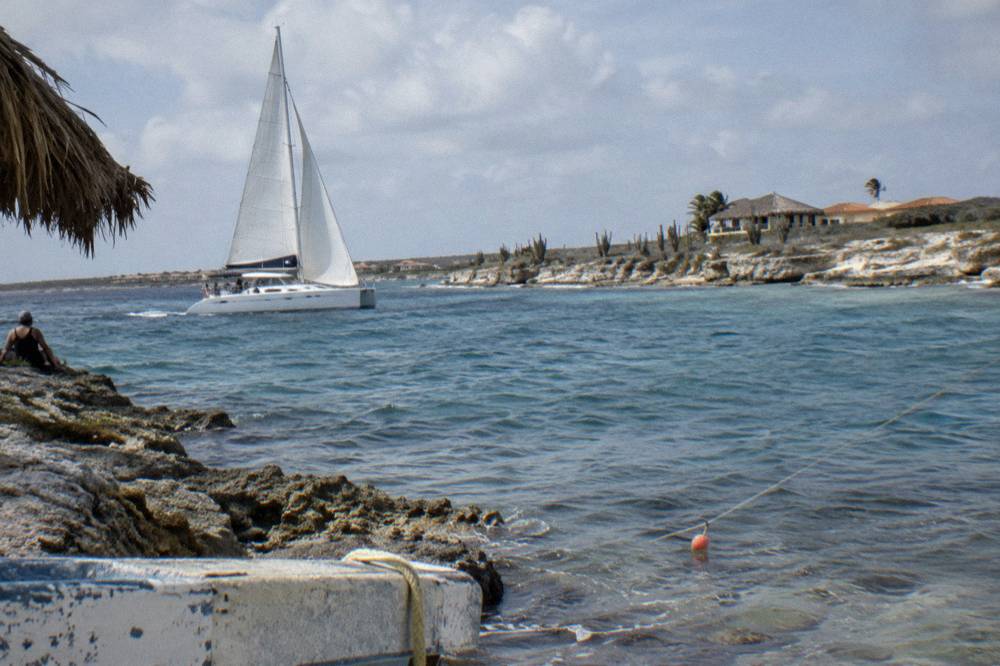
September through December is the calm window, with every month at or below 6.8 m/s. June is the month that surprises people: it has excellent water at 82.2 F and almost no rain, 2.8 rainy days, but it carries the strongest sustained wind of the year. Snorkelers booked into June should lean toward sheltered spots and boats rather than exposed beach entries, and should read the snorkeling weather and hurricane season guide before locking dates.
Among the boat options, smaller vessels trade deck space for a more personal trip, and private charters take only your group. Several morning departures are available if you prefer an early start on the water. The Octopus Premium Catamaran Afternoon Sail, from $74.99 per person, rated 4.7 from 657 reviews, caps at 34 guests and stops at Malmok, Boca Catalina and Antilla, all on the sheltered side.
What Is Visibility Like At The Antilla Wreck By Season?
According to the Antilla Shipwreck Aruba site, typical visibility at the wreck runs 50 to 100 feet, best from March to August, and slightly reduced from December to February by wind and waves. The wreck's bow and superstructure sit about 15 feet below the surface, so it is a genuine snorkel target, not a divers-only site.
That single-source range is the only season by season visibility figure worth printing, because island-wide visibility claims by month are not supported by any verified source. What can be said is that the same physics driving it, wind and swell stirring the water column, matches the wind and rain tables above: the calm spring and the breezy midwinter line up with the better and worse visibility months respectively.
The Antilla is a 398.3 ft German cargo ship scuttled in January 1940, lying on its port side on a sandy bottom with its hull descending to about 60 feet. Snorkelers in calm conditions can read the upper structure from the surface. Several trips on this site include it: the Red Sail Antilla Shipwreck and Catalina Bay Snorkel Sail, from $79 per person, rated 4.7 from 553 reviews, makes it one of two stops, and the Banana Adventure Catamaran combines the wreck with a turtle stop at Tres Trapi from $65 per person. The dedicated Antilla shipwreck snorkeling guide covers the site itself in depth.
If the wreck is the main reason for the trip, several tours list the Antilla as a stop, from catamaran snorkel sails to a Seabob trip, and each live booking page shows its departure times so you can pick the slot that suits.
What About Hurricane Season?
The Atlantic hurricane season runs 1 June to 30 November, and the Aruba Tourism Authority states the island is outside the hurricane belt with no direct hurricane hit since 1851. Storms can still bring rain, gusts or flat calm weather, so conditions can shift during the season and trips may be cancelled as a result. Every tour listed here comes with free cancellation.
That official framing is worth quoting precisely because it cuts both ways. The southern Caribbean location spares Aruba the direct strikes that shape the season elsewhere, which is why June to November bookings are routine here, and why the sea temperature table above shows some of the year's best water in exactly those months. But systems passing well to the north can still generate swell, cloud and rain bands, and a boat captain will cancel or reroute a trip when the marine forecast calls for it.
Practical read: do not write off September, October or November, which combine the warmest water of the year with the calmest wind averages. Do check the marine forecast for your dates, do book listings that state free cancellation, and do leave a spare day in the itinerary in case a departure moves. Cruise passengers should additionally check their ship's all-aboard time, since many Antilla trips are half-day outings and the fit with a port schedule is never guaranteed.
Is Morning Or Afternoon Better For Snorkeling?
Morning is usually the calmer window, because the trade wind builds through the day and afternoon chop is common even in dry season. Morning light also angles directly into shallow water, improving what you see on the reef. Afternoon departures still work well in the low-wind months, September through December, when the wind average drops to 5.8 to 6.8 m/s.
The daily choice is departure time: morning, afternoon and sunset trips all run, so pick the hour that suits you. Snorkel-specific listings split deliberately between the two. The morning sail with champagne brunch, from $85 per person and 4.7 from 2,238 reviews, is the most reviewed listing on this site and departs Pelican Pier for Malmok, Boca Catalina and the Antilla in the morning; the Octopus afternoon catamaran runs the same waters after lunch. Turtle behavior plays a role too, and the snorkeling with sea turtles guide explains why Tres Trapi turtle encounters favor certain hours. If squeezing a reef swim and a sunset sail into one booking appeals to you, our guide to combined snorkel and sunset cruises explains how those hybrid trips work and what they typically cost.
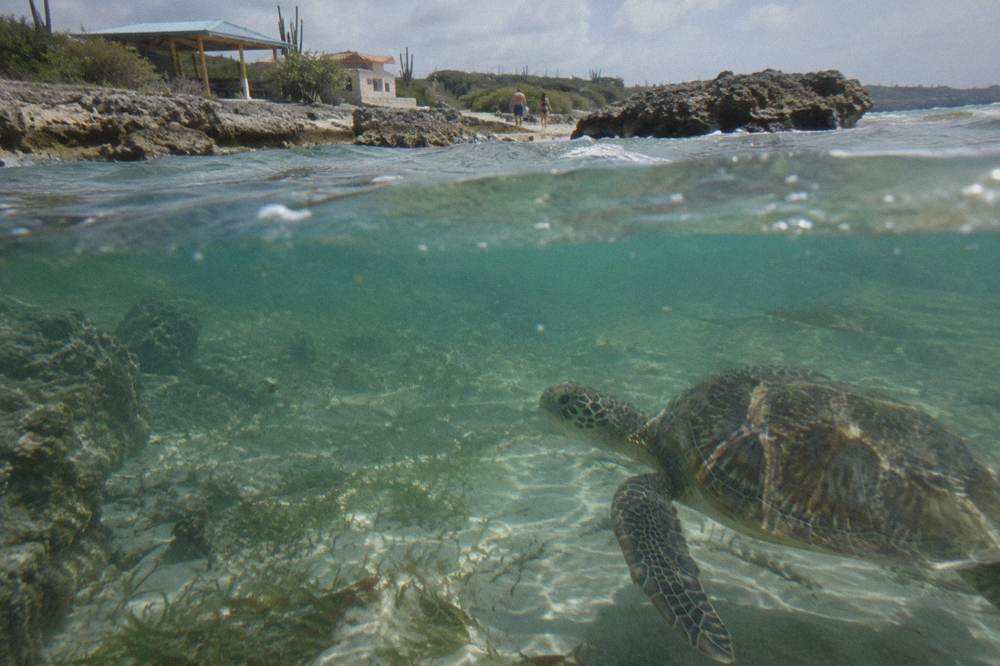
For photographers and nervous swimmers alike, the first departures of the day get the flattest water, the softest light and the fewest boats anchored at each stop. In peak season weeks, that also means fewer people at the rail, since the 60 to 80 guest catamarans fill whichever slot they sail in.
Which Trips Suit Which Season?
Pair the calmest months, September through December, with any trip including exposed stops; pair windy June and July with sheltered west coast sailing and small-group trips. Spring, March through May, is the do-everything window, with low rain, moderate wind, and the best reported Antilla visibility.
A season by trip type breakdown, using only what the listings state:
| Trip style | Listing example | Price basis | Best seasonal fit |
|---|---|---|---|
| Sail and snorkel cruise | Pelican Morning Sail, Champagne Brunch | from $85 per person | Spring and fall, calm mornings |
| Shipwreck and turtle cruise | Spronk Wreck and Turtle Snorkel, Sunset BBQ | from $119 per person | Calm months for the wreck stop |
| Private charter | Malmok Private Boat, up to 10 | from $900 per group | Windy months, flexible rerouting |
| Small-group turtle trip | Underdog Private Turtle Snorkel | from $95 per person | Tres Trapi, setting for a sunset turtle snorkel tour |
| Glass bottom boat | Malmok Glass Bottom, 3 sites | from $60 per person | Any month, good backup when windy |
| Beach hop by bus | Mangel Halto and Baby Beach by open air bus | from $57 per person | Dry months, south coast stays calm |
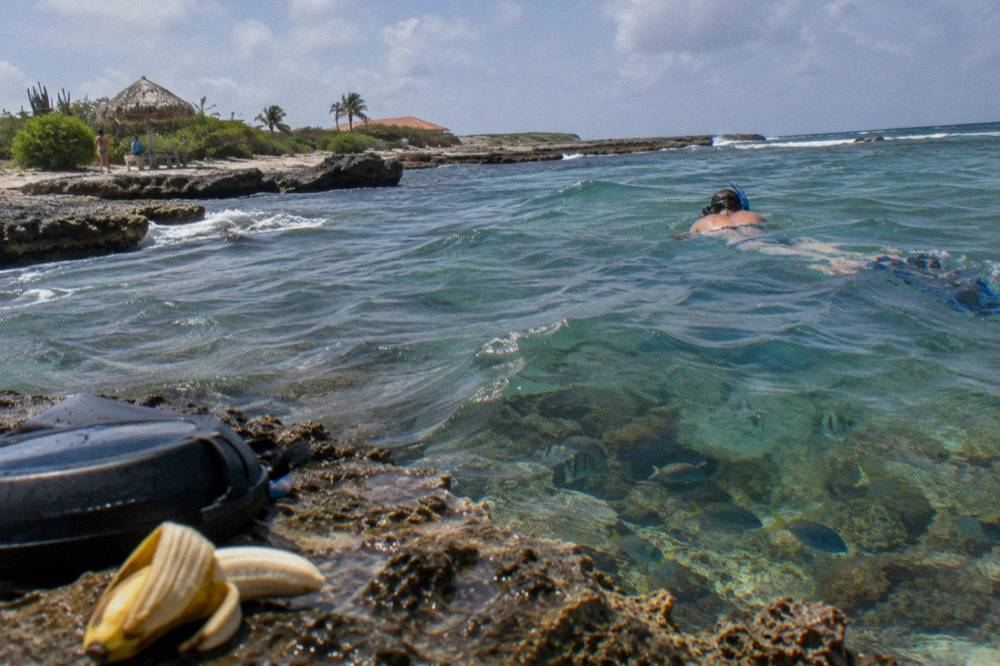
Private charters deserve a special note for windy months. A private charter takes only your group, so the route and pace sit with you and the crew rather than a shared catamaran running to its own schedule, and you can compare the four private snorkel charters side by side. Glass bottom boats, meanwhile, are the honest fallback when the surface is rough but the water below is still clear, and the non-swimmer glass bottom options page extends that idea to travelers who never planned to get wet at all.
The south coast deserves its own line in this table's logic. Mangel Halto and Baby Beach sit on the sheltered southeast side, which is why the sea scooter trip there, from $100 per person and rated 5.0 from 438 reviews, caps at 6 guests and runs comfortably even when the north coast is blowing. Spring is another stretch to plan around, so check the live booking page for tour dates that fit your trip.
What Should You Know About Rules And Fees When Picking Dates?
Every visitor arriving by air pays a $20 Sustainability Fee through the ED Card, with exemptions for residents, children under 8 and cruise passengers. Sunscreens containing oxybenzone are banned in Aruba, so pack mineral reef-safe sunscreen before the trip. All of Aruba's beaches are public and free to enter, including every shore snorkeling spot.
None of these depend on the month, but all of them land at the moment of booking, so they belong in the planning pass rather than the packing pass. The reef-safe sunscreen guide covers the oxybenzone ban and what to buy instead; the rules themselves, no feeding fish or turtles, no touching marine life, leave shells and coral in place, are on the Aruba responsibility page and apply year round.
Gear is the one packing variable worth a sentence: no month needs a wetsuit, so a rash guard for sun is the only extra most snorkelers bother with. The what to bring on a snorkel tour guide has the full list, including the reef-safe sunscreen requirement.
Which Month Should You Actually Book?
Book April or May for the best all-round conditions: low rain, only 1.5 to 1.7 rainy days a month, water of 80.1 F in April, and the March to August visibility peak at the Antilla wreck. Book October or November for the warmest, calmest water, 84.6 F with 5.8 m/s mean wind, if you accept a few heavy showers. Avoid only mid-June to mid-July if sustained wind bothers you.
Every other month is a working compromise rather than a mistake. December and January trade cooler water and more rain days for peak-season energy and full schedules. February is the coldest sea month and still 79 F. July and August are warm months on the sheltered coast, with steady trades that peak in June. September is warm, moderately calm and quiet, one of the more underrated snorkel months on the calendar.
The listings lean the same way: the morning champagne brunch sail from Pelican Aruba and the sunset turtle trips around Tres Trapi all state free cancellation, so you can move a booking to whichever day has the better conditions instead of being tied to one date. A traveler who wants the Champagne Brunch departure specifically can check availability and dates on the live listing, since departure times shift with the season rather than the tour disappearing.
One last planning sequence that works for almost any month: check the marine forecast the morning of departure, pick the leeward coast if wind is up, favor a morning slot in the trade season, and hold at least one backup day in a week-long stay. Readers planning a whole trip rather than a single outing can pair this page with the best snorkeling in Aruba guide, which ranks the experiences, and with Aruba Snorkeling Tours itself, where each listing sets out its own price, duration and inclusions so you can weigh one trip against another.
Common Questions About The Best Time To Snorkel In Aruba
When Is The Best Time To Snorkel In Aruba?
March through August is the strongest overall window, combining the year's lowest rainfall, moderate wind and the best reported visibility at the Antilla wreck. April is the statistical standout, with 8.6 mm of rain, 1.5 rainy days and 80.1 F water.
What Is The Warmest Month For Snorkeling In Aruba?
October, with an average sea temperature of 84.6 F at Oranjestad. September and November are close behind at 84.0 F and 83.5 F. October is also one of the two least windy months, averaging 5.8 m/s.
What Is The Coldest Month For Snorkeling In Aruba?
February, with an average sea temperature of 79.0 F. That is still comfortable for most snorkelers on a typical two to four hour trip, though a thin rash guard helps on longer outings.
Is Hurricane Season A Bad Time To Snorkel In Aruba?
Not necessarily. The Aruba Tourism Authority states the island is outside the hurricane belt with no direct hurricane hit since 1851. The season runs 1 June to 30 November, and its early and middle months include some of the year's best water. Check the marine forecast and book listings with free cancellation stated.
Is Morning Or Afternoon Better For Snorkeling In Aruba?
Morning, usually. The trade wind builds through the day, so morning water is flatter and the light reaches the reef better. Afternoon trips work well from September through December, when the monthly mean wind drops to 5.8 to 6.8 m/s.
When Is Visibility Best At The Antilla Wreck?
According to the Antilla Shipwreck Aruba site, typical visibility runs 50 to 100 feet, best from March to August and slightly reduced from December to February by wind and waves.