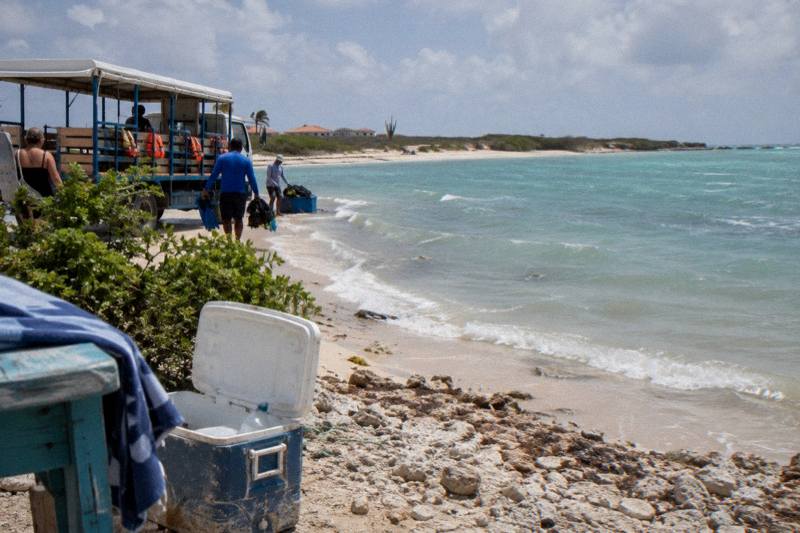
Free Snorkeling In Aruba: Public Beaches With Reef Close To Shore
Every beach in Aruba is public and free to enter, and several of the best reefs sit close enough to shore that you can swim out with your own mask and fins without paying for a boat. This guide covers the four spots that matter, the seasonality, and the point at which a paid tour is worth the money.
Short answer
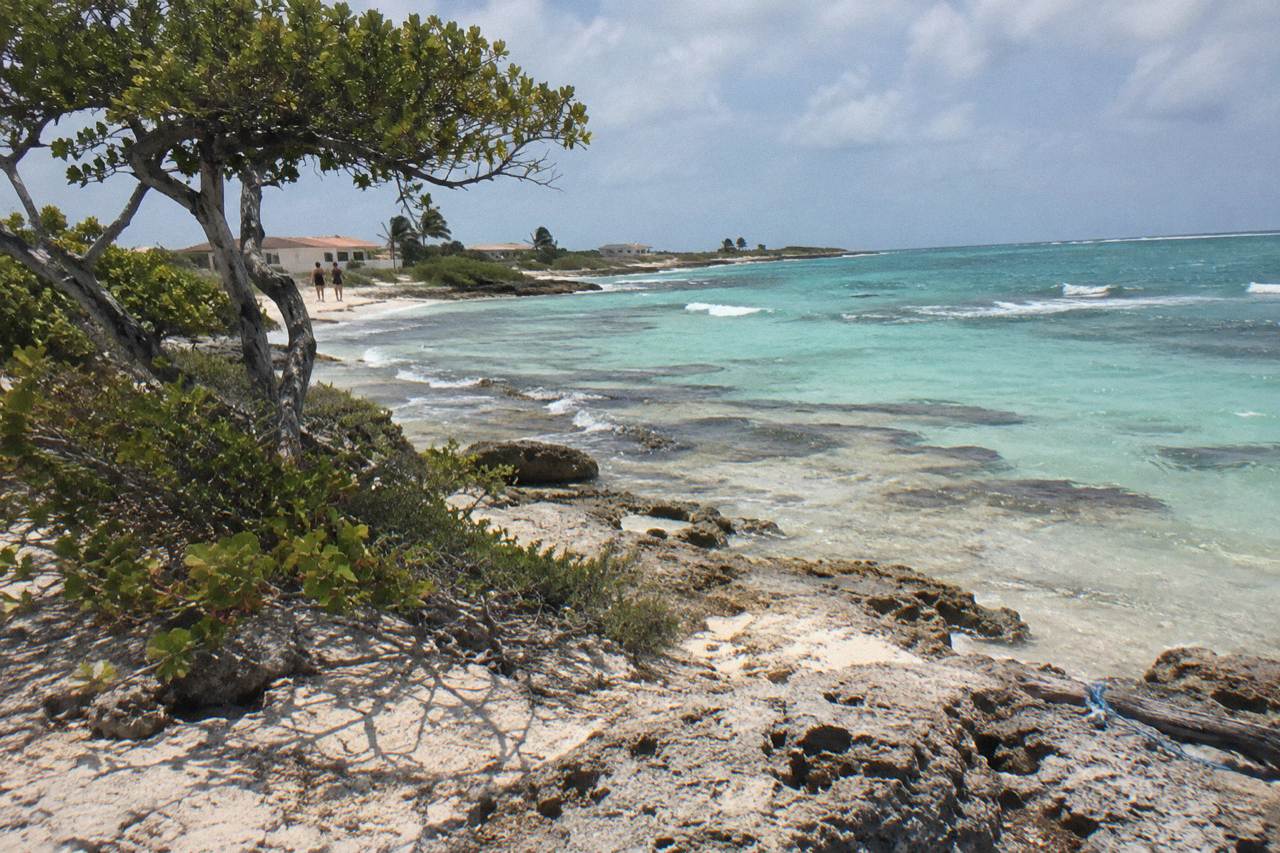
Yes, free snorkeling in Aruba is real. All beaches are public with no entry fee, and shore snorkeling is possible at Boca Catalina, Arashi Beach, Mangel Halto and Baby Beach, where reefs sit close to the sand. You bring your own gear. A paid glass bottom boat trip, from $60 per person, adds the Antilla wreck.
Where Can You Snorkel For Free In Aruba?
Yes, free snorkeling in Aruba genuinely exists, and it is not a hidden trick. Aruba's beaches are all public and open to everyone with no entry fee, and shore snorkeling is possible at Boca Catalina, Arashi Beach and Mangel Halto, with reefs close to the beach. All you add is your own mask, snorkel and fins. If you're still deciding which stretch of sand suits you best, our guide to Aruba's prettiest beaches compares Baby Beach, Arashi, Boca Catalina, Mangel Halto and Eagle Beach side by side.
That statement comes straight from the island's own tourism information: every beach on Aruba is open to everyone, more than twenty public beaches in total, and the west and south coasts are the calm, protected side where swimming and snorkeling are easiest. The east and north coasts face open sea with stronger wind, which is why the free spots worth packing a mask for all sit on the sheltered side of the island.
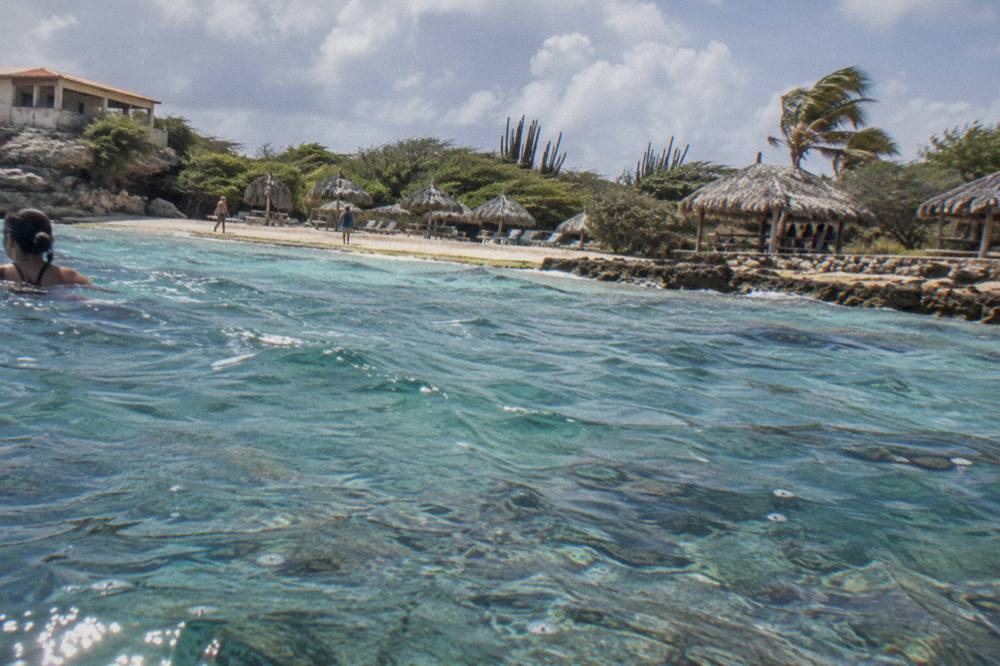
There is one clarification worth making early, because it trips up a lot of visitors. Free here means free access and free swimming. No guided snorkel tour on this island is free, and this guide does not claim otherwise. What is free is the water itself: the sand, the swim, and the reef that starts a few strokes from shore at four reliable spots. If you want someone to hand you gear, drive you there and point out the fish, that is a paid product, and the later sections of this guide compare the honest ones.
It also helps to know the beach-access ground rules before you spread a towel. Under the 2026 beach guidelines, beaches are public but shared: hotel palapas and loungers that are set up and in use are respected, and leasehold areas are for hotel guests only. The beach itself, the swimming, and finding your own patch of sand stay open to everyone. So you can walk onto the sand next to a resort, walk past the assigned loungers, and snorkel the same water the resort guests paid to look at.
One fee does exist, but it has nothing to do with snorkeling. Visitors arriving by air pay a $20 Sustainability Fee through the ED Card, with exemptions for residents, children under 8, cruise ship passengers and repeat visitors who already paid in the same calendar year. That is an arrival fee, not a beach fee, and no shore snorkeling spot charges entry.
Which Free Shore Spots Have Reef Close To The Sand?
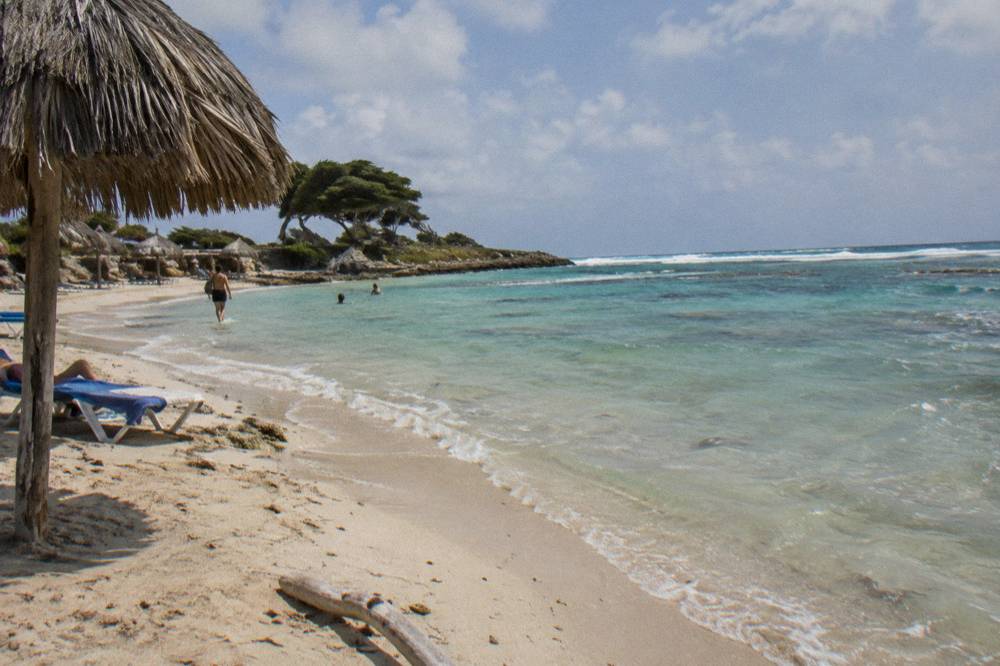
Four spots do the heavy lifting for free snorkeling: Boca Catalina, Arashi Beach, Mangel Halto and Baby Beach. Each has reef or marine life a short swim from shore, calm conditions on the protected coast, and no entry fee of any kind. Boca Catalina and Arashi sit in the northwest near Noord; Mangel Halto and Baby Beach sit in the southeast.
The tourism authority's beach descriptions give each spot its own character, and they are worth matching against what you want from a swim.
| Free shore spot | Location | Character per the tourism authority's beach page |
|---|---|---|
| Boca Catalina | Northwest coast, Noord area | Small bay with gentle waves and colorful reef fish just offshore |
| Arashi Beach | Northwest, near the California Lighthouse | Listed beach with great visibility for snorkeling |
| Mangel Halto | Southeast coast, Pos Chiquito area | Quiet area surrounded by mangroves, calm water, snorkeling without crowds |
| Baby Beach | Southeast tip | Shallow, lagoon-style bay, ideal for kids and beginner snorkelers |
For a closer look at the entry with the best visibility on this list, the Arashi Beach snorkeling guide covers what the shore reef holds, which boat tours stop there, and how to plan your visit.
Boca Catalina is the classic answer to the free-snorkeling question. It is a small bay, the tourism page notes gentle waves, and the reef fish start just offshore, which is exactly why so many paid boat tours also stop here. The same water the catamarans moor over is swim-to-able from the beach. For orientation on the spot itself, read the dedicated Boca Catalina snorkeling guide, which covers the site in depth.
Arashi Beach sits a little further north, near the California Lighthouse, and the island's own beaches page credits it with great visibility for snorkeling. It shares the same calm northwest stretch of coast that Palm Beach and the hotel strip occupy, so it pairs easily with a resort-based day. The Arashi Beach snorkeling guide has the detail.
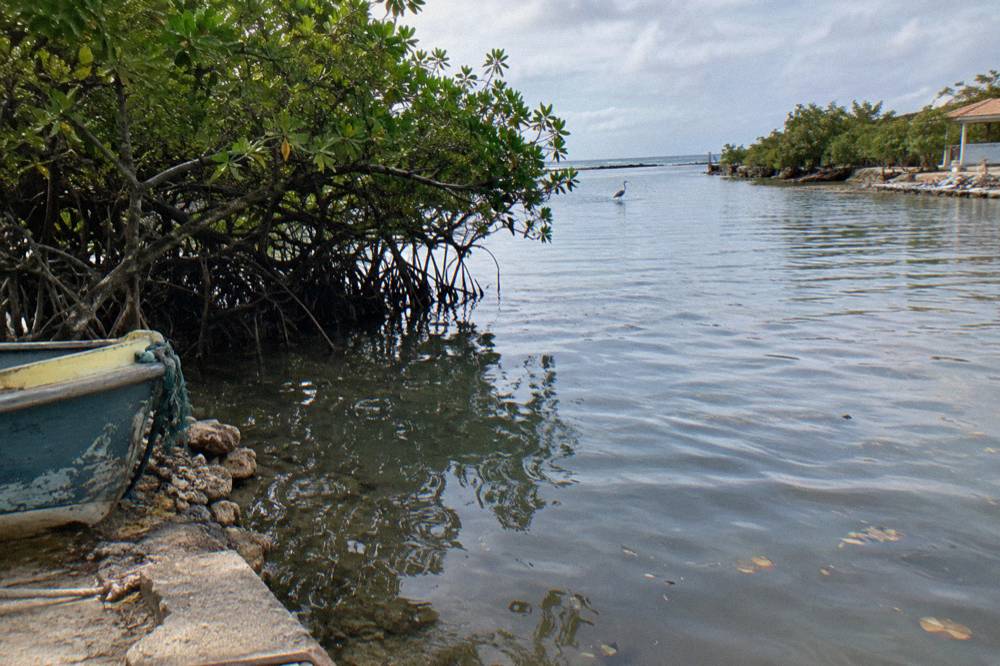
Mangel Halto is the quiet one. Mangel Halto is a quiet area surrounded by mangroves, with calm water and snorkeling without crowds. For many people, that is the whole appeal. It trades the buzz of the hotel beaches for mangroves and calm water, and it feels that way. Baby Beach, at the island's southeast tip, is the beginner and family pick, a shallow lagoon-style bay the tourism authority calls ideal for kids and first-time snorkelers. Both southeast spots are covered in full in the Mangel Halto snorkeling guide and the Baby Beach snorkeling guide.
What none of these spots gives you is depth, wrecks or boat-only sites. Free shore snorkeling in Aruba is shallow-reef snorkeling. The SS Antilla, the 398-foot German cargo ship scuttled in Malmok Bay in January 1940, lies out in the bay and is reached by boat. That distinction, free shallow reef versus paid wreck and turtle sites, is the honest line between the two halves of this guide, and it is why paid tours exist at all.
What Does Free Snorkeling Actually Cost Once You Add Gear And Rules?
Entry costs nothing at any of the four spots, but free snorkeling is only free if you already own a mask, snorkel and fins, because no free gear service exists on the island. You also need mineral reef-safe sunscreen, since sunscreens containing oxybenzone are banned in Aruba. Realistically, free means zero at the gate, not zero overall.
Nobody hands out masks on Aruba's public beaches, and no verified free gear rental or free guided snorkel walk exists anywhere on the island. So the true cost of a free snorkel day is the gear you bring with you. If you own it, the swim costs nothing. If you do not, the honest comparison is between buying or bringing gear and paying for a tour where the listing includes equipment, which on this island can start from $57 per person for the Mangel Halto and Baby Beach open-air bus tour, a listing that includes hotel pickup, snorkel equipment and a guide across two of the four free beaches. The one place where bringing your own gear is not enough is Conchi, and our natural pool snorkel hike guide explains why that site requires a guide.
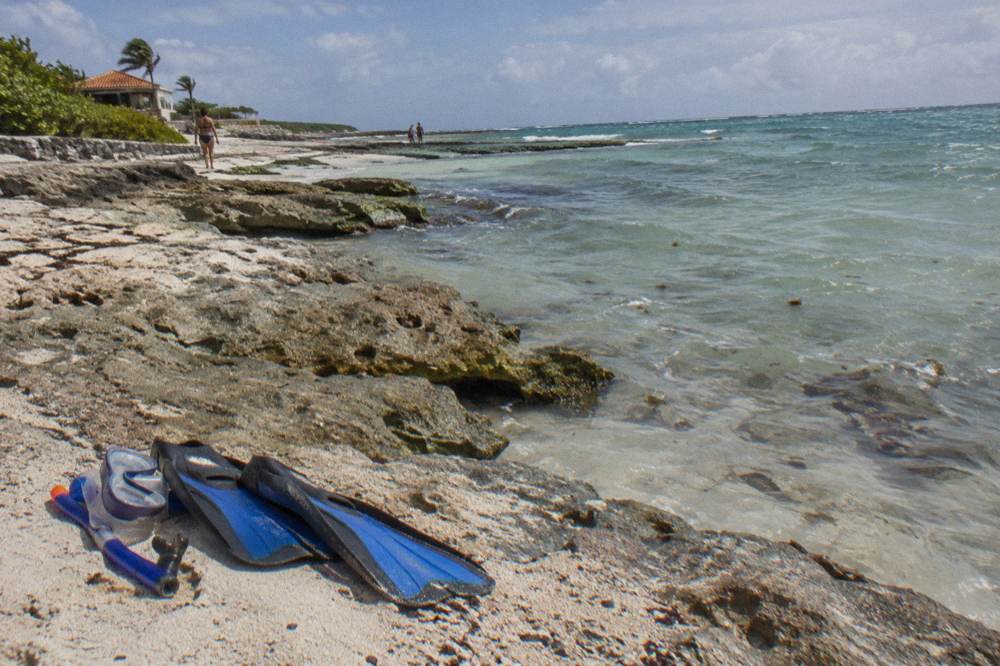
The rules are the same in the water whether you swam out for free or arrived on a catamaran. Per the island's responsible-guest guidance: do not feed fish, turtles or seabirds, bread is not part of their diet; do not touch or pick up marine life, including starfish; leave sea shells, sand and coral in nature; and use mineral-based reef-safe sunscreen, because sunscreens containing oxybenzone are banned. None of that costs money. It costs a little discipline, and free snorkelers, who are their own guides, carry the full responsibility for following it.
One free-adjacent option deserves a mention for anyone who cannot swim or does not want to get in the water at all: the glass bottom boat. The Malmok Charters glass bottom boat run takes up to 10 guests over the Antilla wreck, Boca Catalina and Tres Trapi from $60 per person, rated 5.0 from 47 reviews, and shows the same reefs through the hull. It is not free, but it is the cheapest boat-based way to see the wreck, and it shares a departure point at the Island Cabana hut in Malmok with the island's small-boat scene.
For swimmers who want to stay shore-based but see more than a swim allows, there is a middle path. The Aruba Bob small-group sea scooter snorkel at Mangel Halto, from $100 per person, rated 5.0 from 438 reviews, caps at 6 guests and includes pictures, which turns the free shore spot into a guided scooter drift over the same reef. The reef is free; the scooter, guide and photos are what the listing sells.
When Is The Best Time Of Year For Free Shore Snorkeling?
September through November are the warmest and wettest months: sea temperatures peak at 29.2 C in October against 26.1 C in February, but rain also peaks then. March and April are the driest months, with roughly 10 mm of rain and two rainy days a month, though the wind tends to blow harder than in autumn, so pick a sheltered stretch when swimming out from a free beach.
Aruba is outside the hurricane belt and, per the tourism authority, has taken no direct hurricane hit since 1851. The official season still runs 1 June to 30 November, and storms elsewhere can bring rain, gusts or flat calm even without a hit, so the free-shore rule is simple: check the island's marine forecast the morning you plan to swim.
| Month | Avg sea temp | Avg rainfall | Rainy days (1 mm+) | Mean wind |
|---|---|---|---|---|
| Jan | 26.9 C | 44.0 mm | 10.8 | 7.0 m/s |
| Feb | 26.1 C | 19.5 mm | 4.5 | 7.6 m/s |
| Mar | 26.2 C | 10.0 mm | 2.0 | 7.7 m/s |
| Apr | 26.7 C | 8.6 mm | 1.5 | 7.7 m/s |
| May | 27.6 C | 14.1 mm | 1.7 | 8.0 m/s |
| Jun | 27.9 C | 17.4 mm | 2.8 | 8.7 m/s |
| Jul | 27.4 C | 19.6 mm | 4.1 | 8.1 m/s |
| Aug | 28.1 C | 31.4 mm | 3.1 | 7.8 m/s |
| Sep | 28.9 C | 42.9 mm | 3.3 | 6.8 m/s |
| Oct | 29.2 C | 76.5 mm | 7.3 | 5.8 m/s |
| Nov | 28.6 C | 87.1 mm | 9.6 | 5.8 m/s |
| Dec | 27.3 C | 80.1 mm | 11.0 | 6.4 m/s |
Two patterns matter for the free snorkeler. First, wind: the mean wind speed runs 8.7 m/s in June against 5.8 m/s in October and November, and wind is what turns a calm shore bay choppy. Second, rain: November averages 87.1 mm against April's 8.6 mm. The compensations cut both ways, since the autumn months also deliver the warmest water and the lightest winds. For the southeast spots, Mangel Halto and Baby Beach, which sit on the calmest coast, October's warm water and soft breeze can beat June's trade wind even with the rain risk. For the northwest spots, Boca Catalina and Arashi, the spring months are the safest bet.
The marine forecast published by the island's meteorological service is the tool worth bookmarking: it shows wind direction and speed in knots, wave height by coast and shower chances, and the protected south and west sections, exactly where all four free spots sit, read calmer than the north-facing coasts. A free snorkel plan lives or dies on that page, because unlike a boat tour, nobody cancels a beach day for you.
How Does Free Shore Snorkeling Compare To A Paid Boat Tour?
Free shore snorkeling gets you shallow reef, calm bays and total flexibility for zero entry cost, but no wrecks, no turtle sites and no gear. Paid tours start from $57 per person for a guided beach hop and from $65 per person for a catamaran sail with drinks, and the step up buys the Antilla wreck, boat-only reefs, equipment and crew. If the Antilla is the only reason you'd pay for a boat, our guide to snorkeling Malmok Beach above the Antilla wreck covers which tours actually stop on that reef and what a private trip from the same stretch of coast costs.
The honest accounting is not free versus expensive. It is shallow reef versus the sites only a boat reaches. Here is how the island's paid options stack up against the zero-cost baseline, with every price exactly as the live listings carry it.
| Trip type | Example listing | Price | Rating | What it adds over free shore |
|---|---|---|---|---|
| Beach hop bus tour | El Tours Mangel Halto and Baby Beach | from $57 per person | 4.5 from 308 reviews | Hotel pickup, gear, guide at two free beaches |
| Catamaran sail | Pelican Sail and Snorkel | from $67 per person | 4.8 from 531 reviews | Boat reef access, open bar, gear, up to 60 guests |
| Champagne brunch sail | Pelican Morning Sail | from $85 per person | 4.7 from 2,238 reviews | Antilla, Malmok, Boca Catalina stops, brunch, open bar |
| Wreck and turtle cruise | Spronk Wreck and Turtle Snorkel | from $119 per person | 4.6 from 378 reviews | Turtles at Tres Trapi, wreck, sunset BBQ |
| Private turtle trip | Underdog Divers private turtle snorkel | from $95 per person | 4.9 from 761 reviews | Private guide at Tres Trapi, edited video |
| Glass bottom boat | Malmok Charters glass bottom | from $60 per person | 5.0 from 47 reviews | Wreck view without swimming, 10 guests max |
If you're still weighing whether the island delivers enough underwater life to plan a whole trip around, our full guide to snorkeling across Aruba covers what else exists beyond these paid outings.

Read that table as tiers, not a ranking. The beach-hop tier, the El Tours open-air bus trip and the Nautilus small-group versions (from $95 per person, rated 4.6 from 112 reviews, hotel pickup listed), is the closest paid cousin of this guide: same two free beaches, but with transport, gear and a guide attached. The catamaran tier adds the sites you cannot swim to. The Pelican morning sail, from $85 per person with a 4.7 rating across 2,238 reviews, making it the most reviewed listing covered on this entire site by count, stops at Malmok, Boca Catalina and the Antilla. The turtle tier adds Tres Trapi, the shallow turtle site north of Palm Beach that several Spronk Catamarans trips visit, from $119 per person.
Private charters sit at the top of the ladder rather than beside it. The Octopus private snorkel excursion, from $140 per person, rated 4.9 from 610 reviews, comes with rum punch and optional hotel pickup, while the Malmok Charters private boat, from $900 per group for up to 10 guests, takes a captain and guide to the Antilla, Boca Catalina and Tres Trapi. Per-person and per-group prices answer different questions, so compare them only with the basis stated.
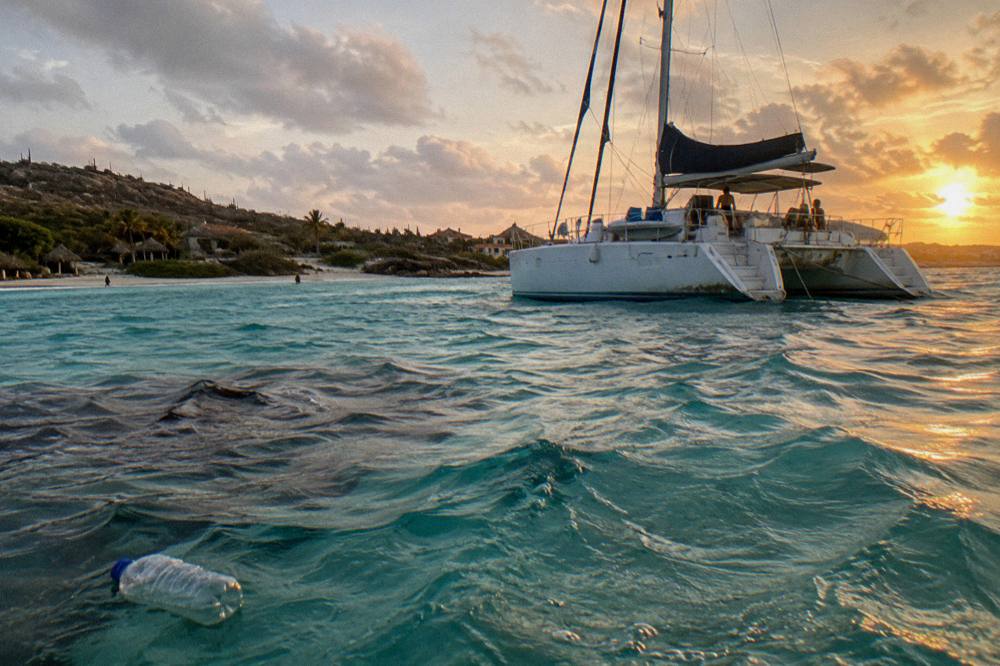
There is also a family of trips that pairs snorkeling with a sunset, covered in the snorkel and sunset cruises guide, which mixes the Spronk sunset BBQ sail with several afternoon options. And for readers deciding between swimming out free and riding out paid, the deeper trade-off analysis lives in the shore snorkeling versus boat tour guide.
Is Free Snorkeling In Aruba The Right Choice For You?
Free snorkeling suits confident swimmers who own gear, want shallow reef on a flexible schedule, and are happy to arrange their own transport to Noord or the southeast coast. Paid tours suit anyone who wants the Antilla wreck, turtle sites, included equipment, or hand-holding at a family pace. Many visitors honestly do both.
The decision splits cleanly along three lines. Ability: Baby Beach's lagoon forgives a nervous swimmer, but nobody supervises a free beach, and the listings on this site carry guides, instruction and, on several lines, life jackets. Sites: everything reachable from sand is shallow reef; the wreck, Tres Trapi's turtles and the boat-only patch reefs are not. Effort: free means arranging your own taxi or rental, packing your own water and reading your own forecast.
A hybrid day is the pattern worth stealing. Swim Boca Catalina or Arashi free from shore in the morning, then book one paid trip for the middle of the week that covers what the shore cannot reach. The half-day Red Sail catamaran tour with three snorkel stops and a Caribbean lunch buffet, from $107 per person, rated 4.8 from 860 reviews, is a typical pick for exactly that role, as is the Octopus afternoon catamaran, from $74.99 per person with lunch and an open cocktail bar, rated 4.7 from 657 reviews and capped at 34 guests.
For the southeast spots, a small-group guided version like the Nautilus Mangel Halto and Baby Beach trip, from $115 per person for up to 8 guests, rated 4.6 from 76 reviews, mirrors the free itinerary with a dive-center eye, while a first outing for a cautious snorkeler might instead be the snorkeling for beginners guide's gentler suggestions. Cruise passengers short on hours should read the snorkel tours for cruise passengers guide and check the ship's all-aboard time, since half-day does not fit every port call. This whole site, Aruba Snorkeling Tours, exists because the free half of the island's snorkeling only goes so far.
Whatever you choose, the water is the same temperature for both crowds, and the reef rules bind both. Feed nothing, touch nothing, take nothing, and wear mineral sunscreen over oxybenzone products. Do that, and the free bays stay worth swimming in, and the paid boats stay worth booking.
Common Questions About Free Snorkeling In Aruba
Is Any Beach In Aruba Free To Enter?
Yes. All beaches are public and open to everyone with no entry fee. Hotel palapas and loungers that are set up and in use are respected, and leasehold areas are for hotel guests, but the sand, swimming and your own spot on the beach stay open.
Can You Snorkel From Shore In Aruba Without A Tour?
Yes. Shore snorkeling is possible at Boca Catalina, Arashi Beach and Mangel Halto, where reefs sit close to the beach, and Baby Beach's shallow lagoon suits beginners. Bring your own gear, since no free gear service exists.
Is There A Free Guided Snorkel Tour In Aruba?
No. No verified free guided snorkel tour or walking tour exists on the island. Free means free access to the beach and the water. Every guided trip is a paid product, with the guided beach-hop tier starting from $57 per person.
Do You Need To Pay The Sustainability Fee To Snorkel?
Visitors arriving by air pay a $20 Sustainability Fee through the ED Card, with exemptions for residents, children under 8 and cruise ship passengers. It is an arrival fee, not a beach or snorkeling fee, and no shore spot charges entry.
Can Free Shore Snorkeling Reach The Antilla Shipwreck?
No. The SS Antilla lies out in Malmok Bay and is reached by boat. Its highest points sit about 15 feet below the surface according to the Antilla Shipwreck Aruba site, and snorkelers visit it on sail and boat trips, from $65 per person on the catamaran options covered here. Your own mask, snorkel and fins, plus reef-safe sunscreen. Sunscreens containing oxybenzone are banned, so use a mineral-based product, and bring water and shade, since the free beaches run on what you carry in.What Gear Do You Bring For Free Snorkeling In Aruba?