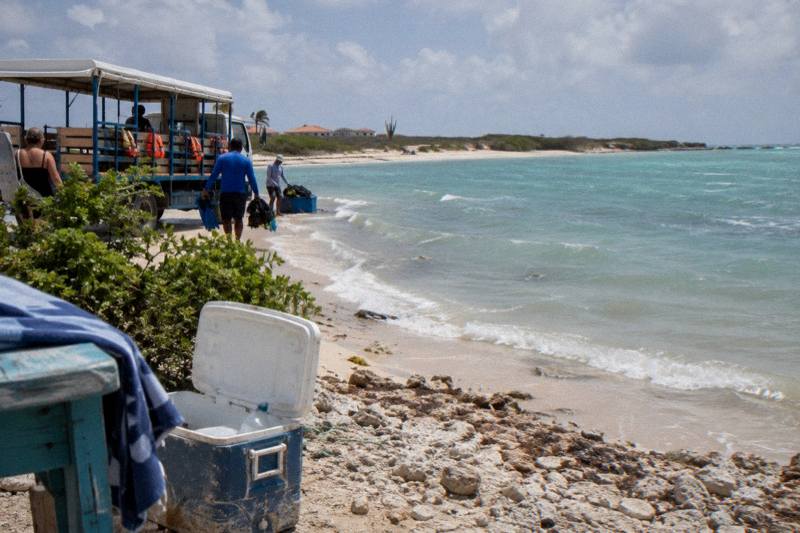
Baby Beach Snorkeling: Shallow Lagoon For Beginners
Baby Beach sits at the southeast tip of Aruba, a shallow, lagoon-style bay that the island's tourism authority describes as ideal for kids and beginner snorkelers. Here is what the conditions are actually like, which guided trips include it, and how to plan the day.
Short answer
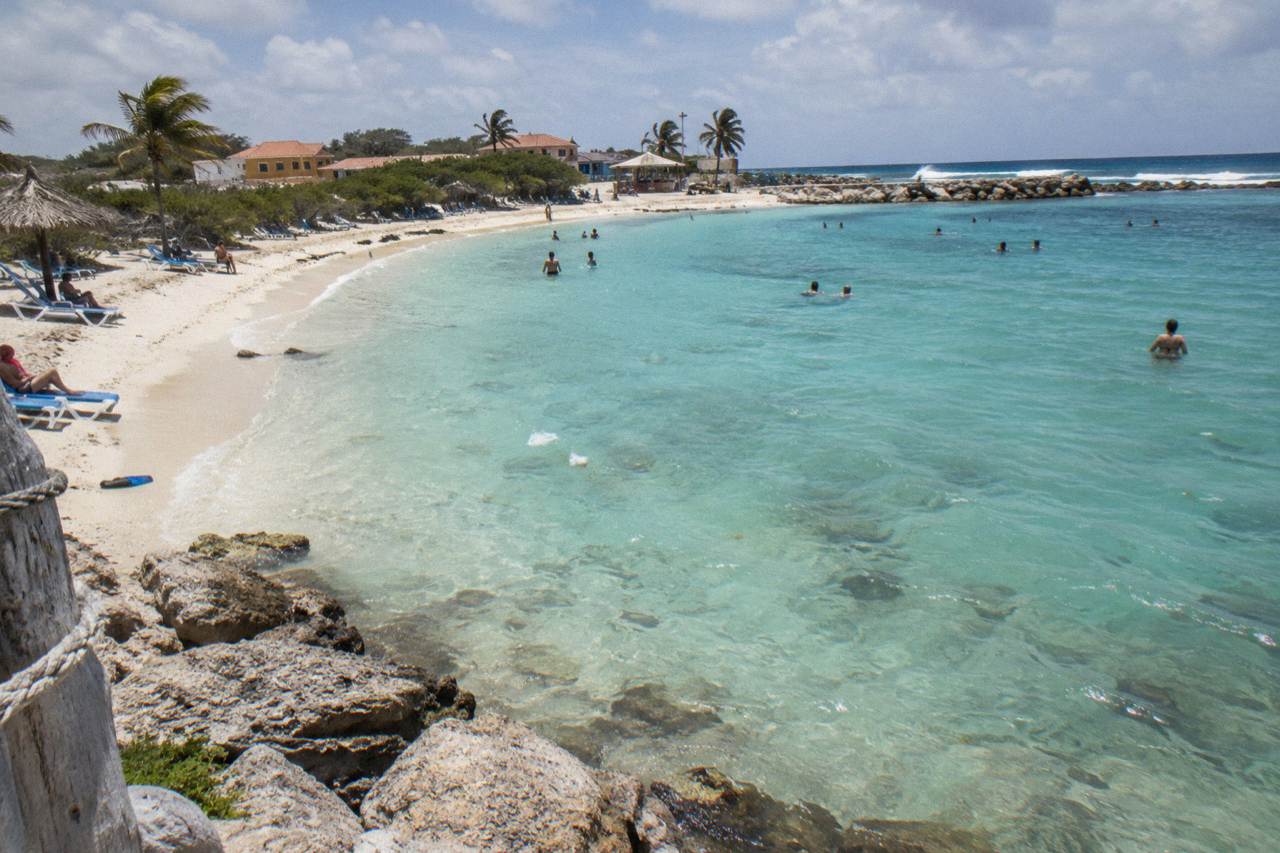
Baby Beach is a shallow lagoon-style bay on Aruba's southeast tip that aruba.com calls ideal for kids and beginner snorkelers. Shore snorkeling is free, beaches are public, and three guided tours combine Baby Beach with Mangel Halto from $57 per person (bus tour, hotel pickup) to $115 per person (small-group, 8 max).
Baby Beach is the spot that gets recommended, over and over, to travelers who mention kids, nervous swimmers, or a first-ever mask. The reason is structural rather than promotional. The beach sits at the southeast tip of Aruba, and per the island's official beaches page it is a shallow, lagoon-style bay, ideal for kids and beginner snorkelers. That is a description of the water's shape, and it shapes everything else about a visit: how deep you can get, what you will see, and which of the guided trips out of Palm Beach and Oranjestad are worth the drive south.
This guide covers the bay itself, the shore-snorkeling option, the three covered tours that pair Baby Beach with Mangel Halto, and the practical details, from water temperature by month to Aruba's reef rules. The comparisons here stick to figures the listings themselves state. Where something is not stated, it says so.
What Makes Baby Beach Good For Snorkeling?
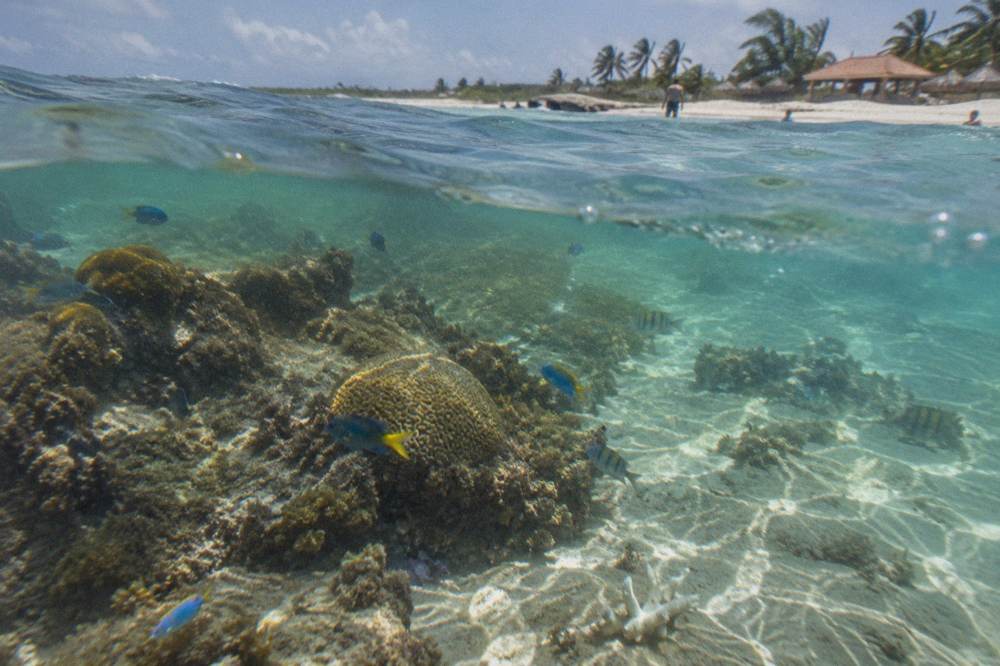
Baby Beach is a shallow, lagoon-style bay on Aruba's southeast tip, and the island's tourism authority describes it as ideal for kids and beginner snorkelers. The west and south coasts of Aruba are the calm, protected sides of the island, which is where this bay sits, so the water is typically gentler than the open-sea-facing north and east coasts. No entry fee applies, because every beach in Aruba is public.
The official aruba.com beaches page lists more than 20 public beaches and notes that the west and south coasts are calm and protected, good for swimming and snorkeling, while the east and north coasts face open sea with stronger wind. Baby Beach benefits from that geography twice over: it is on the south coast, and it is formed as a lagoon-style bay, which further quiets the water inside it. For a beginner, that combination is the whole appeal. A lagoon-style bay means the water inside is enclosed enough that waves rarely build, and shallow water means a shallow, lagoon-style bay that keeps things calm for nervous swimmers.
Depth figures for the bay are not verified in the sources used here, so they will not be invented. What can be said is the official characterization: shallow, lagoon-style, beginner-suitable. Anyone who wants exact depths should treat the official description as the ceiling of the claim and check conditions on the day. The Aruba meteorological service publishes a marine forecast showing wind speed in knots and wave height by coast, and it is the natural thing to check the morning of a south-coast snorkel day, since protected south and west sections run calmer than north-facing coasts.
It is also free. Aruba's beaches are public and open to everyone with no entry fee, and shore snorkeling at Baby Beach, like Boca Catalina, Mangel Halto and Arashi, carries no charge. Bring your own gear if you go independently, because gear rental prices for this beach are not published in the sources here, so they will not be guessed at.
Is Baby Beach Good For Kids And First-Time Snorkelers?
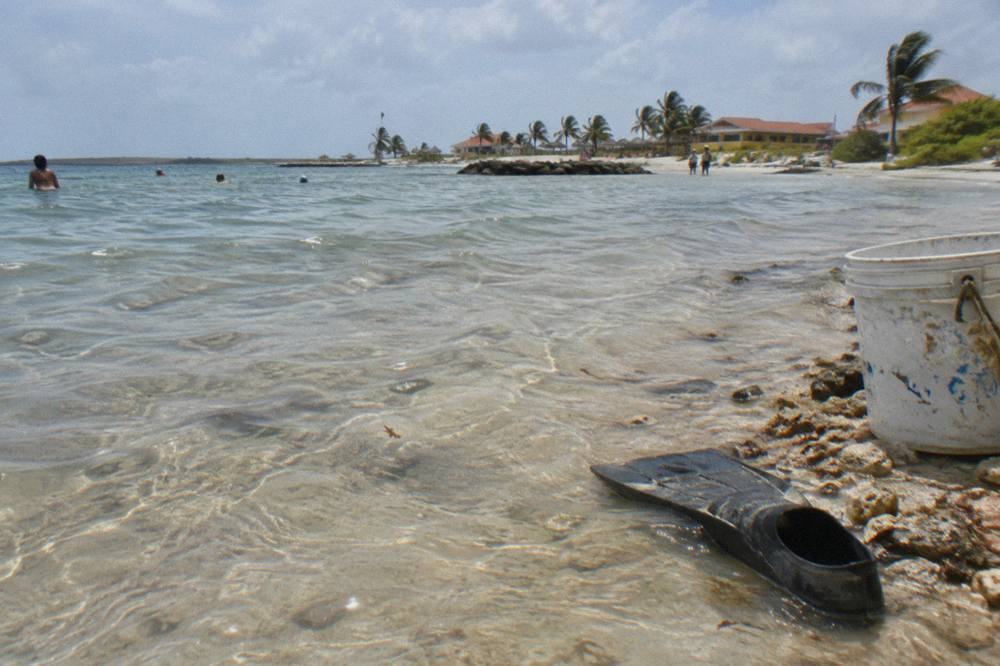
Yes, by design. The official description of Baby Beach, shallow and lagoon-style, ideal for kids and beginner snorkelers, comes from Aruba's tourism authority, not from a tour seller. Calm, shallow, enclosed water is exactly the environment where a first mask-and-fins session usually works, and the same conditions suit children who tire quickly or spook in open water.
The mechanics of learning matter here. A beginner's two common failure points are breathing panic and fin fatigue, and both are easier to manage in shallow, standing-depth water near a beach than off a boat. A lagoon bay lets a new snorkeler come up, stand, reset, and go again. Kids get the same benefit plus the simple fact that a beach day can end whenever the youngest person says so, which a boat schedule cannot.
For families weighing a guided day against going solo, the honest split is this. The beach itself costs nothing and the water is the same water. What a tour adds is equipment, instruction, and, on the trips covered here, transport to a second site, since every Baby Beach tour on this site also stops at Mangel Halto, the quiet mangrove-fringed bay also on the south coast where reefs sit close to shore. The trade is money and schedule for gear, guidance and no driving.
Families who want the shallow-water experience with a boat instead of a bus have other options on this site, including the catamaran sail-and-snorkel cruises out of Palm Beach, but those do not visit Baby Beach. If the shallow lagoon is the point, the choice is between the beach on your own and one of the three guided combinations below. A related planning page, snorkeling with kids in Aruba, works through the same decision for the whole island.
Which Guided Tours Combine Baby Beach With Mangel Halto?
Three covered tours pair the two south-coast bays. The El Tours open air bus trip runs from $57 per person, 5 hours, up to 45 guests, hotel pickup listed. Nautilus runs two versions: a 4-hour trip from $115 per person capped at 8 guests, and a 5-hour trip from $95 per person capped at 10 guests, both with hotel pickup listed. All three state free cancellation and included snorkel gear.
The differences are real and worth spelling out, because the three products look similar in a search result and behave differently on the day. The El Tours trip is the volume option: a 45-guest open air bus, which is itself part of the entertainment, with the lowest entry price of any tour on this site. Nautilus Dive Center runs the small-group versions, and as a dive center its framing is closer to a guided snorkel excursion than a beach hop. Its listing descriptions differ in one more way: the 5-hour version's inclusions are unusually specific about the refreshments (water, cookie, banana), while the 4-hour version lists water and a snack. Modest details, but they are what the listings state.
| Tour | Operator | Price | Duration | Group size | Pickup | Rating |
|---|---|---|---|---|---|---|
| Mangel Halto and Baby Beach by open air bus | El Tours & Transfers | from $57 per person | 5 hours | up to 45 guests | hotel pickup listed | 4.5 from 308 reviews |
| Nautilus Mangel Halto and Baby Beach, 8 max | Nautilus Dive Center Aruba | from $115 per person | 4 hours | up to 8 guests | hotel pickup listed | 4.6 from 76 reviews |
| Nautilus beach day with pickup, 10 max | Nautilus Dive Center Aruba | from $95 per person | 5 hours | up to 10 guests | hotel pickup listed | 4.6 from 112 reviews |
Two cautions on reading that table. All three are shared trips priced per person, so there is no per-group arithmetic to worry about, unlike the private charters covered here, where some prices are quoted per group. And the two Nautilus lines are different products with different durations and caps, not one tour at two prices; treat them as separate bookings and check each live listing for the day you want.
The featured pick for this page is the El Tours open air bus trip, from $57 per person, with hotel pickup, snorkel gear and bottled water listed among its inclusions and a 4.5 rating from 308 reviews. It is the cheapest covered route to both bays and the one that suits families who want the transport and the snorkeling handled in one booking.
Cruise passengers should apply one extra check before booking any of the three. These are 4 to 5 hour commitments, and none of the listings here promise a fit with any ship's schedule, so check your ship's all-aboard time against the return before you book. The snorkel tours for cruise passengers page works through that timing problem in detail.
Can You Snorkel Baby Beach From The Shore Without A Tour?
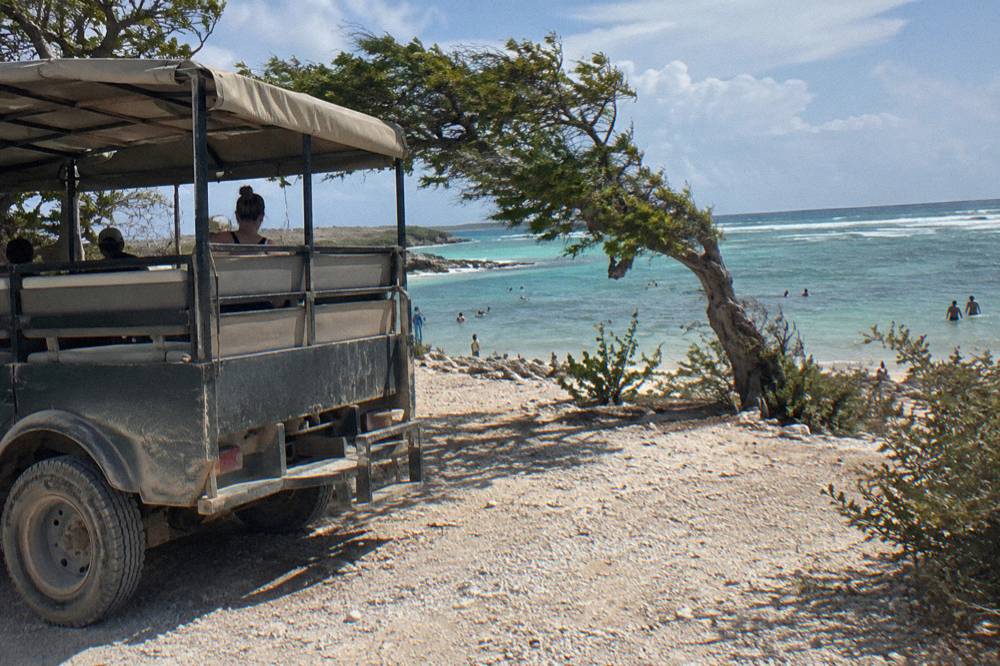
Yes. Aruba's beaches are public, open to everyone, and free to enter, and shore snorkeling at Baby Beach requires nothing but your own gear. Temporary beach guidelines from 2026 keep the sand and swimming open to all; hotel palapas and loungers that are set up and in use are respected, and leasehold areas are for hotel guests only.
That distinction matters more at busier hotel beaches than at Baby Beach, but it is worth knowing the rule anywhere on the island: the beach itself, swimming, and finding your own spot in the sand stay open. What you cannot claim is someone's assigned lounger. In practice an independent Baby Beach day means packing your own mask, fins and water, arriving early in high season, and treating the bay as a swim at your own pace.
The honest downside of going solo is instructional. Nobody is in the water pointing at things, and nobody is driving you onward to Mangel Halto, whose mangrove setting and close-in reef make it a genuinely different swim from Baby Beach's sand-and-shallows. Gear details are listed on each tour's booking page, which matters with kids whose feet grow between trips. The shore snorkeling vs boat tour comparison weighs the two approaches for the whole island.
For swimmers who want a small-group guided experience without a boat, one alternative covered here is worth a look alongside the bus tours. Pelican Adventures runs a Tres Trapi turtle spotting snorkel with round-trip hotel pickup, from $99 per person, capped at 6 guests, with beginner instruction, a snorkel jacket, reef-safe sunscreen and GoPro media included, rated 4.2 from 25 reviews. It is on the west coast rather than at Baby Beach, but it is the closest thing among the tours covered here to a guided shore snorkel with pickup.
What Will You See In The Water At Baby Beach?
Officially, Baby Beach is characterized as a shallow, lagoon-style bay suited to kids and beginners; the sources used here print no species list, no visibility range and no depth figures for this specific bay, so none will be invented. Nearby Boca Catalina is officially described as a small bay with colorful reef fish just offshore, and Mangel Halto as calm, crowd-free snorkeling near mangroves.
That restraint is deliberate. Plenty of pages will tell you exactly what fish you will see at Baby Beach on a Tuesday. None of that is verifiable in advance, and Aruba's own rules exist precisely because the reef is alive and variable. What can be said with confidence is structural: shallow, warm, protected water on a south-coast lagoon tends toward easy, close-up swimming rather than deep reef walls, and the guided combos add Mangel Halto's mangrove-edge habitat to the day.
Wildlife guarantees do not exist on this island, and no listing here promises turtles, octopus or any specific animal. The wreck-and-turtle cruises that snorkel the Antilla and Tres Trapi are honest about the same thing. If a turtle encounter is the priority rather than a bonus, read the snorkeling with sea turtles page, which explains where the turtle-focused trips covered here actually go, including the private Tres Trapi trip from $95 per person with an edited video included.
Reef etiquette at Baby Beach is not optional etiquette, it is the posted standard for Aruba. Per the official guidance: do not feed fish, turtles or seabirds, bread is not part of their diet; do not touch, pick up or stand on marine life; leave shells, sand and coral in nature; and use mineral-based reef-safe sunscreen, because sunscreens containing oxybenzone are banned on the island. Those rules apply to a shallow, lagoon-style bay exactly as they do to a wreck dive, and shallow water makes accidental contact easier, not harder. The reef-safe sunscreen in Aruba page covers the product side.
When Is The Best Time Of Year To Snorkel Baby Beach?
Sea temperature at Oranjestad averages from 26.1 C (79.0 F) in February, the coldest month, to 29.2 C (84.6 F) in October, the warmest, so no month needs a wetsuit for a shallow lagoon. Aruba is outside the hurricane belt with no direct hurricane hit since 1851 per the tourism authority, though the season runs 1 June to 30 November and weather can still change.
Month-by-month, the deciding factor for Baby Beach is less temperature than wind and rain, and both have published norms. Rainfall in Oranjestad averages under 20 mm per month from February through August and then climbs through the autumn, with November the wettest at 87.1 mm. Wind averages 5.8 to 8.7 m/s across the year, lightest in October and November, strongest in June. For a protected lagoon none of this is disqualifying; it is context for choosing a month or a time of day.
| Month | Avg sea temp | Avg rainfall | Avg rainy days (1 mm+) | Mean wind |
|---|---|---|---|---|
| February | 26.1 C / 79.0 F | 19.5 mm | 4.5 | 7.6 m/s |
| May | 27.6 C / 81.7 F | 14.1 mm | 1.7 | 8.0 m/s |
| August | 28.1 C / 82.6 F | 31.4 mm | 3.1 | 7.8 m/s |
| October | 29.2 C / 84.6 F | 76.5 mm | 7.3 | 5.8 m/s |
| November | 28.6 C / 83.5 F | 87.1 mm | 9.6 | 5.8 m/s |
The pattern worth internalizing: the calmest wind months, October and November, are also among the wettest by average rainfall, while the drier spring months carry slightly more wind. Neither is a reason to cancel anything. Averages describe decades, not your Tuesday, and the marine forecast linked above is the right morning-of check for wind in knots and wave height by coast. The best time to snorkel and water temperature by month pages carry the full twelve-month tables.

What Should You Bring For A Baby Beach Snorkel Day?
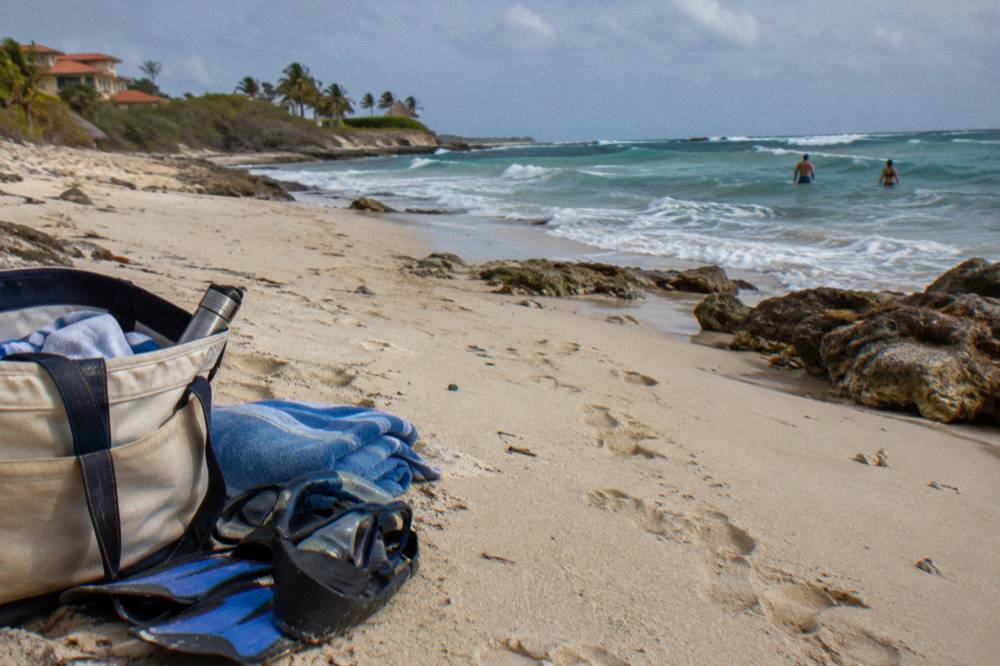
Bring your own mask, snorkel and fins if going independently, since no gear rental price is verified for this beach; mineral-based reef-safe sunscreen, because oxybenzone sunscreens are banned in Aruba; water and shade arrangements; and, if booking a guided combo, nothing beyond swimwear, because all three Baby Beach tours state snorkel gear is included.
The sunscreen point deserves its own sentence rather than a parenthetical. Aruba banned sunscreens containing oxybenzone; mineral-based reef-safe sunscreen is the advised replacement. Buying it before you land is cheaper and easier than hunting for it in shops once you arrive, and the ban gives you a firm answer when a shop shelves both kinds side by side.
For an independent day, the honest gap in public information is facilities. Nothing verified appears in the sources here about parking, food vendors, restrooms or lifeguards at Baby Beach, so plan as if you carry what you need: water, snacks, reef-safe sunscreen, dry bag, and a shade plan, whether that is an umbrella or an early start. The what to bring on a snorkel tour checklist covers the guided-boat case, and most of it transfers.
The guided case is lighter by design. El Tours lists snorkel equipment, bottled water, local taxes and hotel pickup among its inclusions. The Nautilus 5-hour listing includes pickup and drop-off, equipment, water, cookie and banana refreshments; the 4-hour version lists private transportation, equipment, water and a snack. None of the three lists lunch, so pack or budget for food if the 4 to 5 hour span crosses your family's lunch hour, which it will.
How Does Baby Beach Compare With Aruba's Other Shore Snorkel Spots?
Baby Beach is the beginner and family pick: shallow, lagoon-style, southeast tip. Mangel Halto is the quiet mangrove bay with calm, crowd-free water. Boca Catalina offers gentle waves and colorful reef fish just offshore, and Arashi is noted for great visibility, both on the calmer west coast near Noord. All four are public, free, and possible from shore with your own gear.
That is the whole official shortlist in one place, and the differences between the spots are the differences between kinds of snorkeler. A first-timer wants Baby Beach. A confident swimmer who wants fish close to shore wants Boca Catalina or Mangel Halto. Someone optimizing for visibility heads to Arashi near the California Lighthouse. Nobody needs all four in one trip, but the guided combos smartly bundle the two south-coast bays, which sit close enough together that a single 4 to 5 hour loop covers both. If scenery above the waterline matters as much as what swims beneath it, our guide to which Aruba beach is the prettiest compares Baby Beach, Arashi, Boca Catalina, Mangel Halto, and Eagle Beach on looks alone.
| Spot | Location | Official characterization | Shore access |
|---|---|---|---|
| Baby Beach | Southeast tip | Shallow lagoon-style bay, ideal for kids and beginner snorkelers | Public, free, bring your own gear |
| Mangel Halto | South coast near Pos Chiquito | Quiet area by mangroves, calm water, snorkeling without crowds | Public, free, bring your own gear |
| Boca Catalina | Northwest coast near Noord | Small bay, gentle waves, colorful reef fish just offshore | Public, free, bring your own gear |
| Arashi Beach | Northwest coast by the California Lighthouse | Great visibility for snorkeling | Public, free, bring your own gear |
If Arashi Beach caught your eye in that lineup, the full guide to snorkeling at Arashi Beach covers what the shore reef holds, which boat tours stop there, and how to plan your day.
One tour covered here bridges the categories neatly: Malmok Charters runs a glass bottom boat snorkel to the Antilla wreck, Boca Catalina and Tres Trapi from $60 per person, 1 hour 30 minutes, capped at 10 guests, rated 5.0 from 47 reviews. It is a boat trip, not a shore day, but for a mixed group where one member prefers to watch through glass rather than swim, it is the covered listing built for exactly that, and the glass bottom boat options page covers the format.
The south-coast decision also interacts with where you are staying. Travelers based in Noord or Palm Beach have the northwest spots within minutes and Baby Beach a longer drive; travelers docking at Oranjestad, by contrast, are closer to the south coast, which is one reason the cruise-focused guides treat Baby Beach combos kindly. Wherever you start, Aruba Snorkeling Tours keeps a full comparison of every covered trip type, from the sail-and-snorkel catamarans to the beach-hop buses.
Should You Book A Tour Or Go Independent At Baby Beach?
Go independent if you have your own gear, confident swimmers and a rental car: the beach is public, free and genuinely beginner-friendly. Book a combo tour if you want gear, guidance, hotel pickup and a second bay in one day, from $57 per person on the 45-guest open air bus to $115 per person for an 8-guest Nautilus day. All three tours list free cancellation and included snorkel equipment.
The price spread between the three combos is wider than it first looks, because the products are different animals. The El Tours bus at from $57 per person is a sightseeing loop with snorkeling; the Nautilus trips at from $115 and from $95 per person are guided small-group snorkel excursions that happen to travel by road. A family of four weighing $57 against $115 per person is weighing 45 fellow guests against 8, and a party atmosphere against a guide's attention. Neither answer is wrong, and the ratings, 4.5 from 308 reviews and 4.6 from 112 and 76 reviews respectively, suggest both deliver what they promise.
Free cancellation is listed on all three, which changes the booking calculus: you can lock a date before you leave home and still move it if your plans shift. Check each live listing for the exact cutoff, because the listings here confirm the policy exists without printing each one's window.
Common Questions About Baby Beach Snorkeling
Is Baby Beach Good For Beginner Snorkelers?
Yes. The official Aruba beaches page describes Baby Beach as a shallow, lagoon-style bay ideal for kids and beginner snorkelers. Shallow, protected, calm water on the south coast is exactly the environment where a first snorkel session usually works.
Does Baby Beach Cost Money To Visit?
No. All of Aruba's beaches are public and open to everyone with no entry fee, including Baby Beach. Guided tours that include the beach are paid products, from $57 per person on the open air bus combo.
Can You Snorkel Baby Beach Without A Tour?
Yes. Shore snorkeling is possible with your own gear, and nothing about the bay requires a guide. Bring your own mask, snorkel and fins, because no gear rental price for this beach is verified in the sources used here.
What Tours Go To Baby Beach?
Three covered tours pair Baby Beach with Mangel Halto: the El Tours open air bus trip from $57 per person, and two Nautilus Dive Center trips from $115 per person with up to 8 guests and from $95 per person with up to 10 guests. All three list hotel pickup, snorkel gear and free cancellation.
When Is The Water Warmest At Baby Beach?
October, when the average sea temperature at Oranjestad is 29.2 C (84.6 F). The coldest month is February at 26.1 C (79.0 F), still comfortably warm for snorkeling without a wetsuit.
Is Baby Beach Safe For Children?
The bay's official description, shallow and lagoon-style, ideal for kids and beginner snorkelers, comes from the island's tourism authority, and calm shallow water suits children well. Conditions still vary by day, so check the marine forecast, keep children within reach, and follow the posted reef rules.