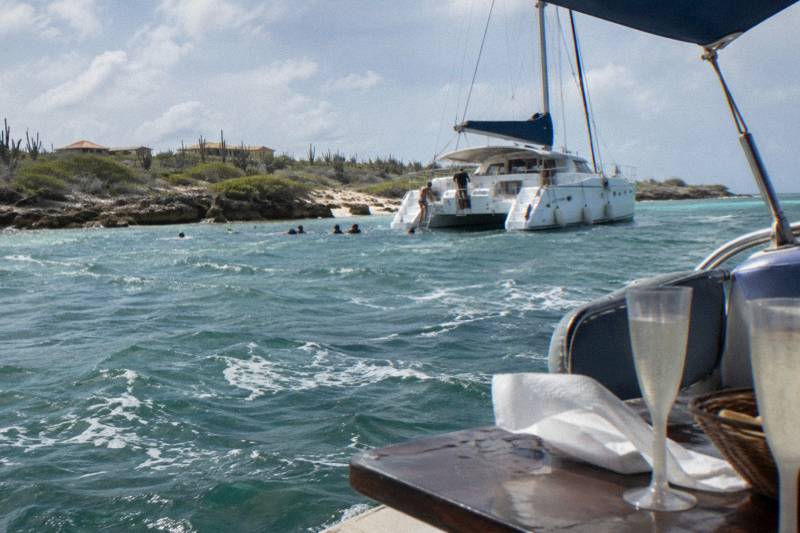
Snorkeling In Aruba Weather And Hurricane Season: What To Expect
Storm-season months worry a lot of snorkelers, but Aruba sits outside the main hurricane belt. Here is what the climate record and the tour listings actually say about rain, wind, water temperature and cancellations.
Short answer
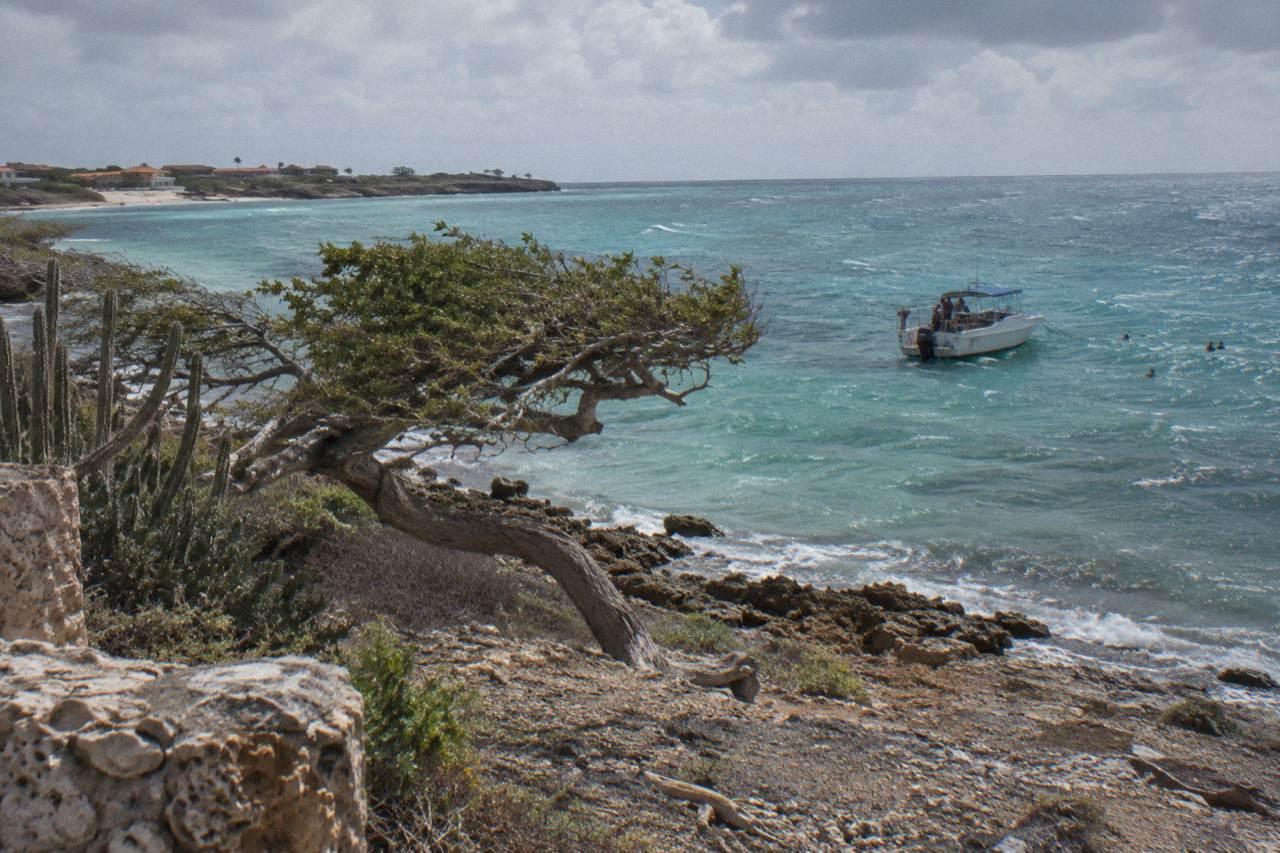
Aruba's hurricane season runs 1 June to 30 November, but the island sits outside the hurricane belt and has recorded no direct hurricane hit since 1851, per the Aruba Tourism Authority. October and November are the wettest months, with 76.5 mm and 87.1 mm of rain respectively, and February is the coldest for water at 26.1 C on average.
Aruba trade wind, warm water and a location at the southern edge of the Caribbean are the three reasons its snorkel calendar runs all year. The trade wind blows steadily from the east, the sea around Oranjestad averages between 26.1 C and 29.2 C depending on the month, and the island sits outside the main hurricane belt. None of that makes weather a non-issue. Rain peaks in October and November, wind is strongest in June, and boat trips do get rescheduled when conditions turn. This guide lays out the numbers month by month and connects them to the snorkel trips covered on Aruba Snorkeling Tours, from the Pelican morning sail out of Palm Beach to glass bottom boat runs along the northwest coast.
When Is Hurricane Season In Aruba?
Hurricane season in the Atlantic runs from 1 June to 30 November, and those dates apply to Aruba like every other Caribbean island. The Aruba Tourism Authority states that Aruba lies outside the hurricane belt and has recorded no direct hurricane hit since 1851. The same authority notes that storms elsewhere in the region can still bring rain, gusts or unusually calm spells to the island.
The dates matter for pricing and crowds more than for danger. June through November overlaps with what the travel industry calls the June-to-November hurricane season in the southern Caribbean, so travelers booking in those months can compare departure dates and prices on the live booking pages. The trade-off is a higher chance of rain, especially from late September onward, and more variability in wind direction.
For snorkelers, the practical point is different from the one that worries first-time visitors. A hurricane heading toward the Lesser Antilles does not put Aruba in its path by default; the island's southern position keeps it south of most storm tracks. What a distant storm more often produces locally is a shift in swell, a band of rain, or a windy week. Operators watch the DMA marine forecast the same way fishermen do, and that forecast is public, so you can check it yourself the morning of your trip. The page shows wind direction and speed in knots, wave height by coast, and shower chances, and the protected south and west coasts generally read calmer than the north-facing ones.
Does Aruba Really Avoid Hurricanes?
By the record, yes. The Aruba Tourism Authority states that no direct hurricane hit has struck the island since 1851, which is as far back as the record runs. That is a statement about direct hits only, not a promise about weather. The same source is explicit that storms in the region can still affect conditions during the season from 1 June to 30 November.
Treat the two halves of that statement as equally real. The first half explains why Aruba markets itself as a year-round destination and why its snorkel boats sail in every calendar month. The second half is what a responsible planner plans around. A tropical system passing hundreds of miles north can still push swell onto the north coast, and wind-driven chop matters for a wreck snorkel even when the sky is clear.
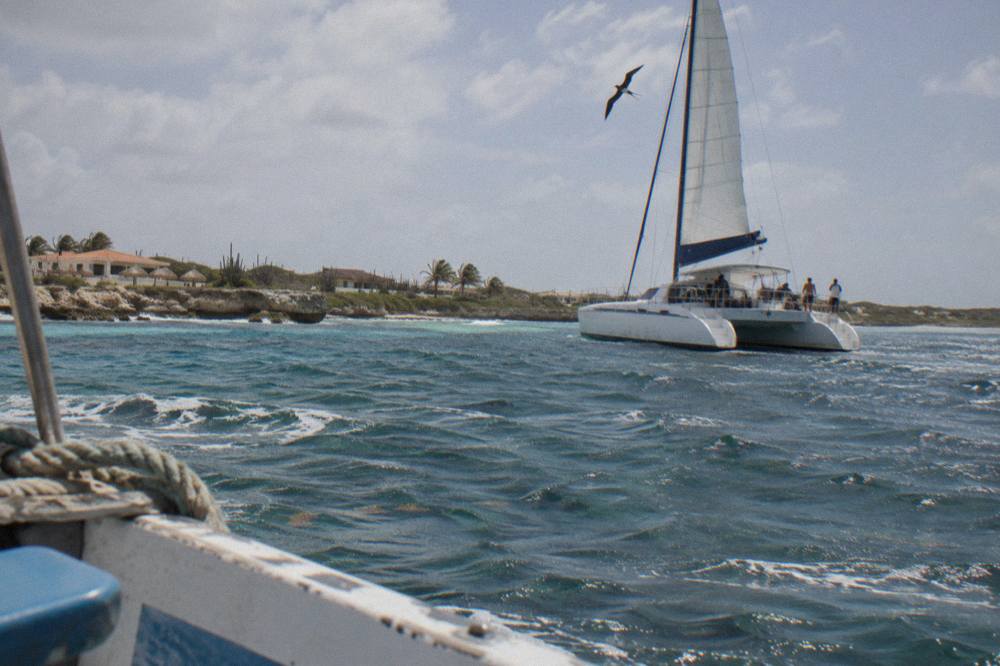
The wrecks and reefs on the standard boat routes sit off the sheltered west and northwest coasts, from Palm Beach up past Boca Catalina to the Antilla site off Malmok. That geography works in snorkelers' favor: when the north and east coasts face open sea and stronger wind, the leeward side usually stays calmer. The Red Sail afternoon trip to the Antilla wreck and Catalina Bay departs from Piet's Pier on Palm Beach and stays on that protected side, rated 4.7 from 553 reviews and from $79 per person. The Banana Adventure catamaran covers the same idea with a lunch and turtle stops at Antilla and Tres Trapi, from $65 per person with hotel pickup listed, rated 4.8 from 231 reviews.
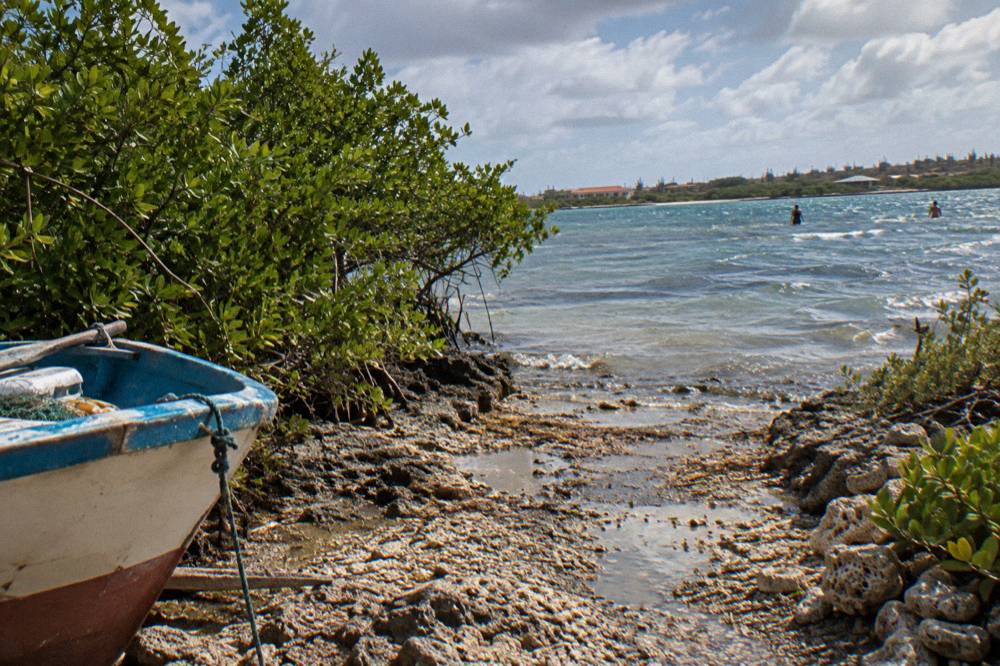
If rough conditions close the offshore stops, the island's south coast is the usual fallback. Mangel Halto, backed by mangroves near Savaneta, is described by the tourism authority's beaches page as calm water with snorkeling without crowds, and it is where the sea scooter trips run. High seas can keep boats off the Antilla; weather cancellation terms vary by operator, so check the listing before you book, though the final call always rests with the captain and the operator.
How Much Rain Does Aruba Get Each Month?
Oranjestad averages 451.1 mm of rain across a typical year, but it is heavily concentrated: November is the wettest month at 87.1 mm, followed by December at 80.1 mm and October at 76.5 mm. March, at 10.0 mm, and April, at 8.6 mm, are the driest. Rainy days follow the same curve, from 1.5 days in April to 11.0 in December.
The rain pattern is the single most useful table for choosing a month. A "rainy day" here means 1 mm or more, which includes plenty of brief tropical showers that never interrupt a boat trip. What the numbers show is a sharp dry stretch from February through August and a wetter shoulder from October through January.
| Month | Average rainfall (mm) | Rainy days (1 mm or more) |
|---|---|---|
| January | 44.0 | 10.8 |
| February | 19.5 | 4.5 |
| March | 10.0 | 2.0 |
| April | 8.6 | 1.5 |
| May | 14.1 | 1.7 |
| June | 17.4 | 2.8 |
| July | 19.6 | 4.1 |
| August | 31.4 | 3.1 |
| September | 42.9 | 3.3 |
| October | 76.5 | 7.3 |
| November | 87.1 | 9.6 |
| December | 80.1 | 11.0 |
Two readings worth pulling out of that table. September looks wet on paper at 42.9 mm but averages only 3.3 rainy days, meaning rain arrives in concentrated bursts rather than all-day gray. October and November combine higher totals with more frequent rain, roughly every third to fourth day, so a storm-month booking deserves a flexible mindset and a backup plan for the afternoon.
Rain also rarely falls on the whole island at once. Showers move quickly with the trade wind, and a morning shower can clear by early afternoon. Afternoon trips, like the Octopus catamaran snorkel sail from Palm Beach, from $74.99 per person and rated 4.7 from 657 reviews, give you a natural second chance if the morning departure gets weathered off. The deeper dive into month choice lives in the best month to visit guide.
For cruise passengers, one caution about hurricane season applies in every month: never assume a shore excursion fits your schedule, and check your ship's all-aboard time against the tour's total duration before booking. The listings here state their own durations, from 1.5 hours for the glass bottom boat to 5 hours for the full beach-hop tours, but only you know when your ship sails.
How Windy Is Aruba For Snorkeling?
Aruba is a genuinely windy island, averaging 7.3 m/s (about 14.2 knots) at Beatrix Airport across the year. June is the windiest month at 8.7 m/s, while September through November run noticeably lighter, bottoming at 5.8 m/s in October and November. Wind shapes surface chop more than rain does, so it is the number that decides whether a wreck snorkel feels easy or tiring.
The trade wind is why the trade winds matter for choosing a snorkeling spot, and why snorkel boats hug the leeward side. For a snorkeler the practical translation is simple: windier months mean choppier surface water at exposed stops and a better case for protected bays, while the lighter autumn months flatten the sea but raise the rain risk.
| Month | Mean wind speed (m/s) | What it tends to mean for snorkelers |
|---|---|---|
| January | 7.0 | Steady trade wind, chop possible at exposed stops |
| February | 7.6 | Breezy; sheltered bays remain comfortable |
| March | 7.7 | Breezy season continuing |
| April | 7.7 | Same pattern as March |
| May | 8.0 | Wind building toward the June peak |
| June | 8.7 | Windiest month; expect livelier surface water |
| July | 8.1 | Still windy, slightly easing |
| August | 7.8 | Moderate |
| September | 6.8 | Lighter; good surface conditions |
| October | 5.8 | Calmest stretch of the year |
| November | 5.8 | Calm, but the wettest month for rain |
| December | 6.4 | Light to moderate wind, frequent showers |

When wind does pick up, gear choices matter more than usual. When chop picks up, ask the crew whether a full-face mask or a classic mask-and-snorkel setup suits the conditions better. The gear side of that decision is covered in what to bring on a snorkel tour, and the stomach side in managing seasickness on snorkel boats.
Wind sensitivity also varies by trip type. A 34-guest catamaran with a crew handles chop differently than a 6-guest turtle swim from the beach at Tres Trapi. The Pelican morning sail with champagne brunch, from $85 per person and rated 4.7 from 2,238 reviews, is the most reviewed listing on this site and runs a 4-hour route to Malmok, Boca Catalina and the Antilla with gear and an open bar included; its page is the Morning Snorkel Sail with Premium Champagne Brunch, and you can check availability if the dates line up.
How Warm Is The Sea Month By Month?
Sea surface temperature off Oranjestad averages between 26.1 C and 29.2 C across the year. February is the coldest month at 26.1 C, still comfortably warm for snorkeling, and October is the warmest at 29.2 C. Every month sits inside the range most snorkelers consider comfortable without a wetsuit.
The full monthly curve from seatemperature.org runs as follows, in average sea surface temperature.
| Month | Sea temperature (C) | Sea temperature (F) |
|---|---|---|
| January | 26.9 | 80.4 |
| February | 26.1 | 79.0 |
| March | 26.2 | 79.2 |
| April | 26.7 | 80.1 |
| May | 27.6 | 81.7 |
| June | 27.9 | 82.2 |
| July | 27.4 | 81.3 |
| August | 28.1 | 82.6 |
| September | 28.9 | 84.0 |
| October | 29.2 | 84.6 |
| November | 28.6 | 83.5 |
| December | 27.3 | 81.1 |
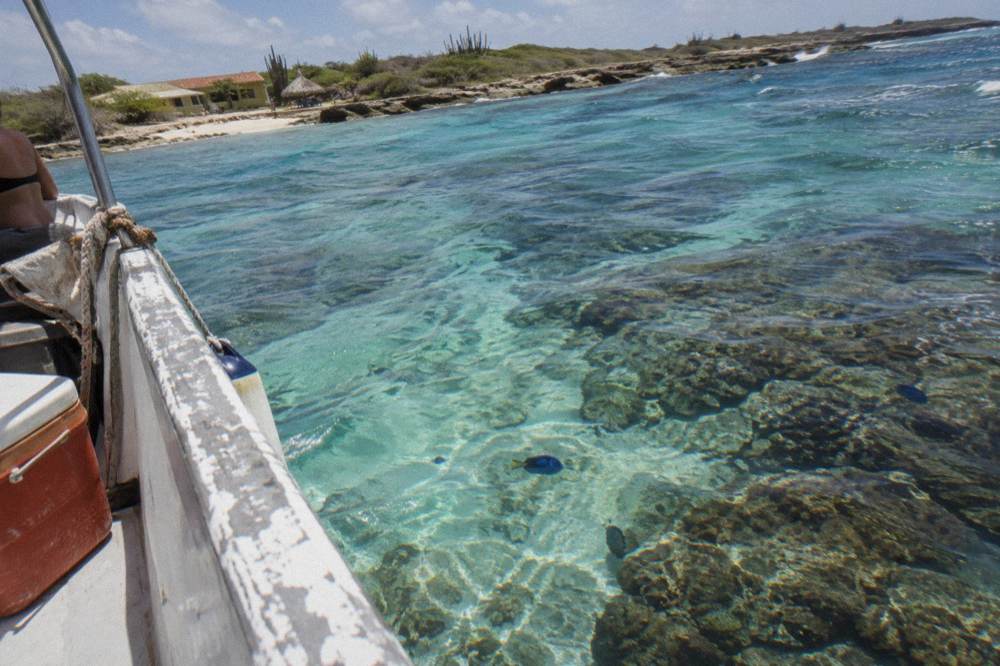
Two planning notes follow from the curve. The "coldest" month, February, the fifth-driest month of the year, so winter visitors get cooler water but very reliable skies. The warmest water, September and October, pairs with the rising rain counts, which is the classic Aruba trade-off: bathtub sea versus a higher chance of a shower. Visibility at the Antilla wreck, according to the Antilla Shipwreck Aruba site, typically runs 50 to 100 feet and is best from March to August, slightly reduced from December to February by wind and waves. More on the water-temperature picture is in the month-by-month water temperature guide.
Do Snorkel Tours Actually Get Cancelled For Weather?
Yes, weather cancellations and reschedules happen, and no honest source can promise otherwise. Operators make the call captain by captain, based on wind, swell and visibility, not on rain alone. Free cancellation is stated on the tours covered here, so a trip that does not sail can generally be rebooked or refunded. Always confirm the terms on the operator's live listing before you book.
What typically gets moved first are the exposed stops. The Antilla wreck sits in open water off Malmok, so on windy days with Boca Catalina Bay also on the itinerary or another sheltered bay, keeping the trip afloat with different sites. Beach-based trips are the most weather-resilient of all: the glass bottom boat from the Island Cabana hut at Malmok, from $60 per person and rated 5.0 from 47 reviews, runs a short 1.5-hour loop to Antilla, Boca Catalina and Tres Trapi with a maximum of 10 guests, and its short duration makes it easy to slot into a calm window. Its page is the glass-bottom boat listing, with current departure times shown on the live booking page.
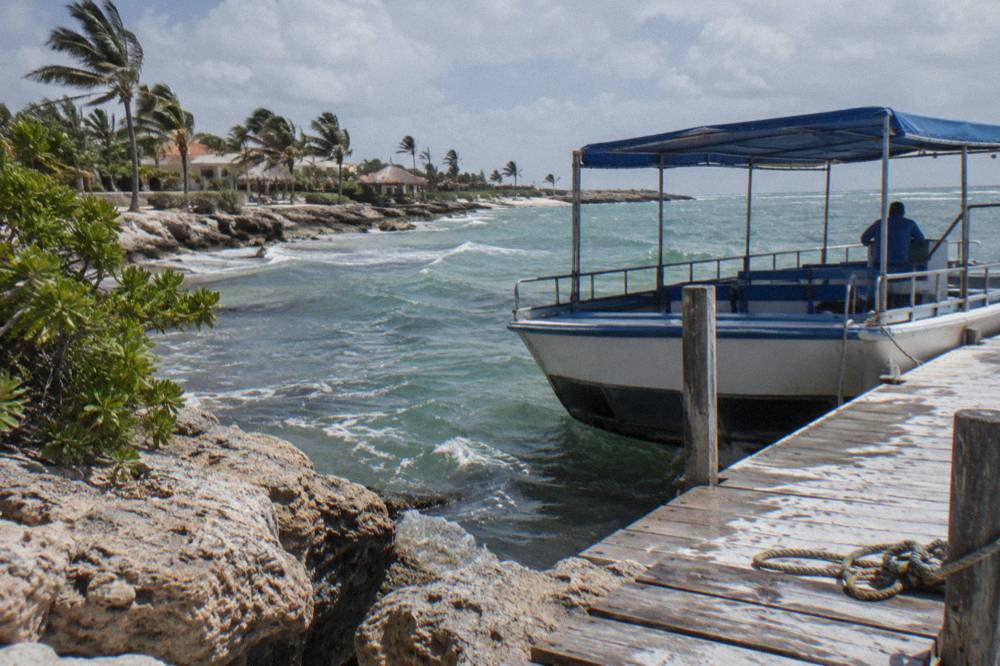
The same logic applies on the south coast. The sea scooter snorkel at Mangel Halto, run by Aruba Bob from Savaneta, is a 2.5-hour small-group trip capped at 6 guests, from $100 per person and rated 5.0 from 438 reviews, and the mangrove-backed bay it uses is one of the calmest stretches of water on the island. On days when the northwest wrecks are unreachable, that is the trip most likely to run as planned.
One honest gap to flag: the listings covered here do not state weather-rescheduling policies in detail, and none states pregnancy or mobility restrictions. Ask the operator directly when booking if any of that applies to your group. And never assume a listed duration fits a cruise schedule; check your ship's all-aboard time first.
Which Conditions Suit Which Kind Of Snorkel Trip?
Windy months favor big catamarans on the protected west coast and sheltered south-coast bays; calm months open up the wreck sites and beach snorkels; rainy months reward short trips and flexible plans. There is no month when nothing runs, because Aruba's leeward coast and southern bays give operators fallback options in every season.
A compact way to match the climate data to the trip types:
| Condition | Best-fit trips from this site | Why it fits |
|---|---|---|
| Windy weeks (May to July) | Red Sail afternoon catamaran, Octopus afternoon catamaran | Large vessels on the leeward coast, 3-hour runs close to Palm Beach |
| Calm water (September to November) | Antilla wreck snorkel sails, Malmok and Boca Catalina stops | Exposed wreck sites are at their easiest in light wind |
| Any month, short window | Glass bottom boat from Malmok, 1.5 hours | Brief loop, 10 guests max, easy to rebook around weather |
| Rainy shoulder (October to January) | Mangel Halto sea scooters, Baby Beach tours | South-coast bays stay calm and run in showers |
| Family or mixed swimmers | El Tours open air bus to Mangel Halto and Baby Beach, from $57 | Shore stops with no boat time, hotel pickup listed |
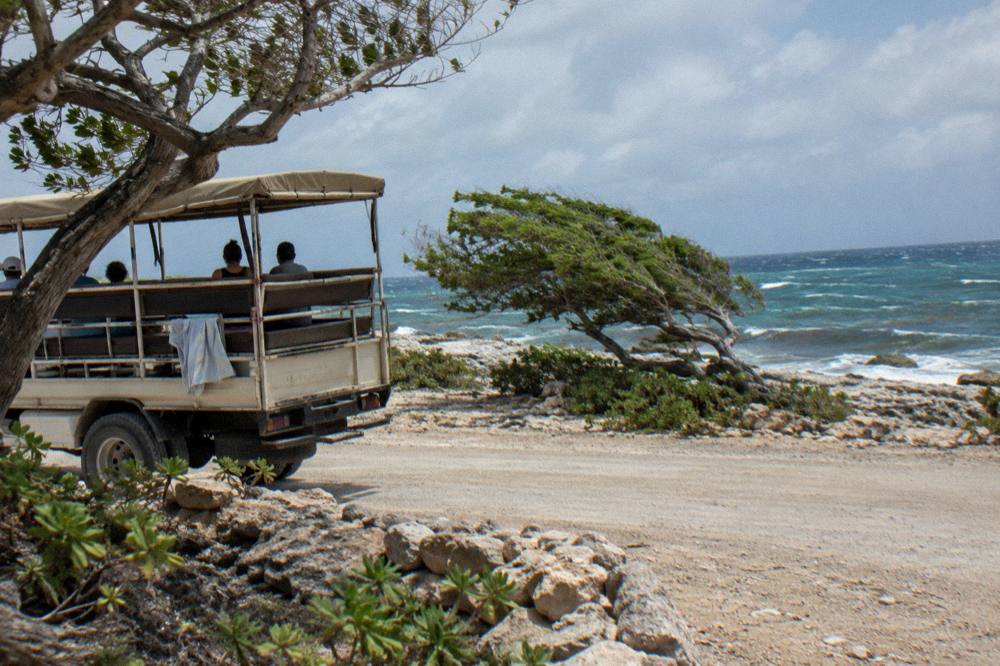
The El Tours beach-hop deserves its row: at from $57 per person, rated 4.5 from 308 reviews and with hotel pickup listed, it swaps the boat for an open air bus and two shore snorkel stops, which removes sea conditions from the equation almost entirely. For readers weighing the shore-versus-boat question generally, the comparison in shore snorkeling versus boat tours breaks down the trade-offs beyond weather alone.
What Should You Check Before Booking A Snorkel Day?
Check the DMA marine forecast the morning of your trip, confirm free cancellation on the operator's live listing, carry mineral reef-safe sunscreen, and remember the $20 Sustainability Fee if you arrive by air. None of these takes more than a few minutes, and together they cover nearly every weather-related surprise a snorkel day can produce.
The forecast check is the one most travelers skip. Wind direction and wave height by coast tell you whether the wreck stop will hold or shift to a bay, and the pattern of protected south and west coasts running calmer than north-facing ones helps you read the page like a local. The marine forecast page from the Aruba meteorological service is the primary source, at meteo.aw/marine.php.
The fee check matters at booking time rather than snorkel time. Visitors arriving by air pay a $20 Sustainability Fee through the ED Card, with exemptions for residents, children under 8, repeat visitors who paid in the same calendar year and cruise ship passengers, per the official entry-requirements page at visitaruba.com. It is not a snorkel charge, but it belongs in any honest trip budget.
The sunscreen check is a rule, not a preference. Sunscreens containing oxybenzone are banned in Aruba, and mineral-based reef-safe sunscreen is advised; the responsibility guidance from the tourism authority at aruba.com also asks visitors not to feed fish or turtles, not to touch or pick up marine life, and to leave shells, sand and coral in place. The full picture is in the reef-safe sunscreen guide.
Finally, if your dates fall in the storm months, book the trips with the most schedule flexibility rather than the biggest menus. A sunset BBQ and turtle trip like the Spronk catamaran, 4.5 hours from $119 per person and rated 4.6 from 378 reviews, is a wonderful outing in settled weather but a bigger commitment than a 1.5-hour glass bottom run when the forecast is uncertain. Depth of planning beats width of itinerary.
Common Questions About Snorkeling Weather In Aruba
When Is Hurricane Season In Aruba?
Hurricane season runs from 1 June to 30 November, the same Atlantic dates that apply across the Caribbean. The Aruba Tourism Authority states that Aruba sits outside the hurricane belt and has recorded no direct hurricane hit since 1851, while noting that regional storms can still bring rain, gusts or calm spells during the season.
What Is The Rainiest Month In Aruba?
November, averaging 87.1 mm of rain in Oranjestad, followed by December at 80.1 mm and October at 76.5 mm. April is the driest month at 8.6 mm, with only 1.5 rainy days on average.
What Is The Windiest Month For Snorkeling In Aruba?
June, with an average wind speed of 8.7 m/s at Beatrix Airport. October and November are the calmest at 5.8 m/s, though those months bring the most rain.
Is The Water Cold In Aruba In Winter?
No. The coldest month for sea temperature is February, averaging 26.1 C, or 79.0 F. Every month of the year stays within a range most snorkelers find comfortable without a wetsuit, and October is the warmest at 29.2 C.
Do Snorkel Tours In Aruba Get Cancelled For Weather?
Yes, cancellations and reschedules happen; no operator can promise otherwise. Captains decide based on wind, swell and visibility rather than rain, and may swap exposed stops like the Antilla wreck for sheltered bays. The tours covered here list free cancellation, but check the exact terms on the live booking page before you pay. According to the Antilla Shipwreck Aruba site, typical visibility at the wreck runs 50 to 100 feet, best from March to August and slightly reduced from December to February by wind and waves. Conditions vary day to day, so check the marine forecast before your trip.When Is Visibility Best At The Antilla Wreck?