What To Beware Of In Aruba?
What to beware of in Aruba: the oxybenzone sunscreen ban, marine life rules, beach access guidelines, and wind on the north and east coasts, with the snorkel trips that fit a caution-minded visitor.
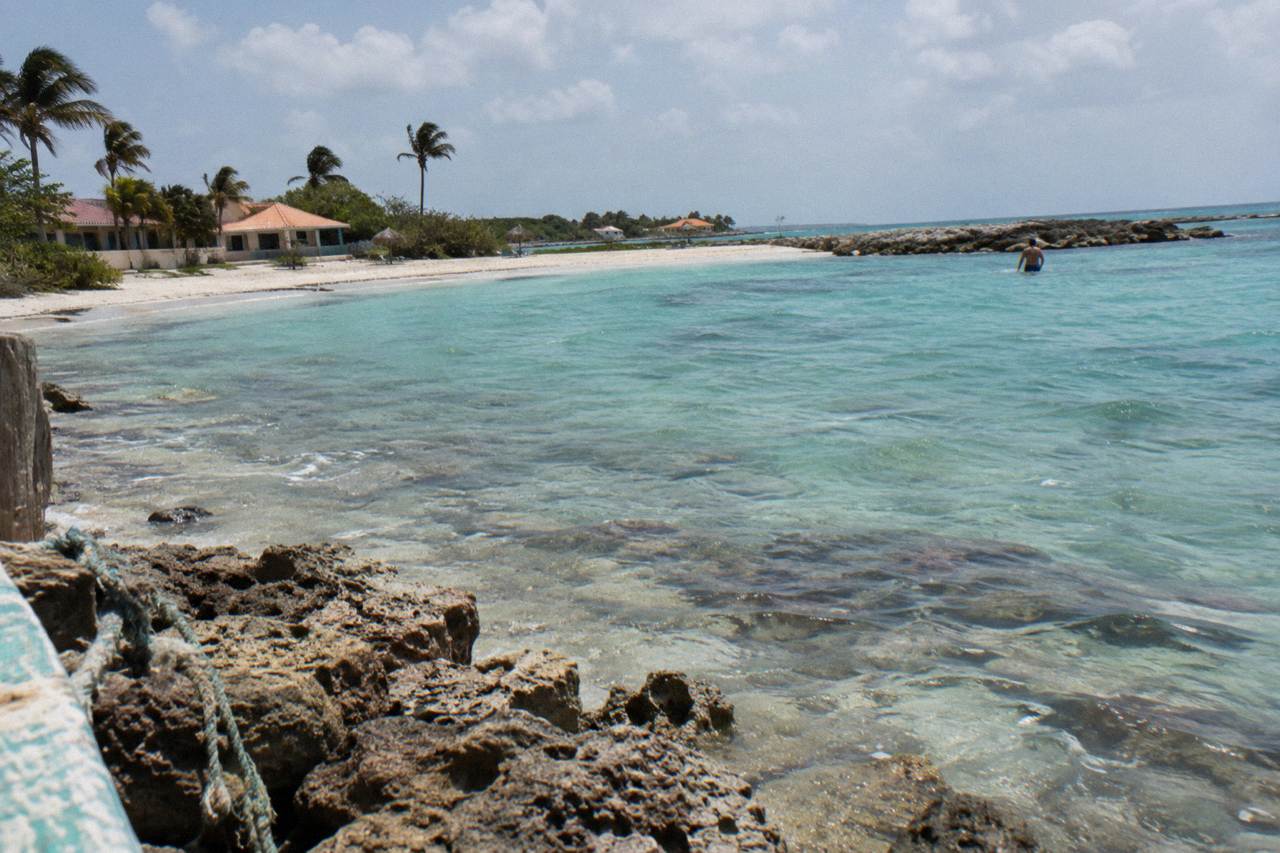
Aruba rewards preparation more than caution. The island sits outside the hurricane belt and has recorded no direct hurricane hit since 1851, according to the Aruba Tourism Authority, and its west and south coasts are the calm, protected side for swimming and snorkeling. What actually trips visitors up is smaller and very specific: a national ban on sunscreens containing oxybenzone, rules against feeding or touching marine life, shared beach guidelines that govern hotel palapas and loungers, and steady wind on the north and east coasts that makes some shore entries rough. None of it is dramatic, and all of it is easy to handle once you know it exists.
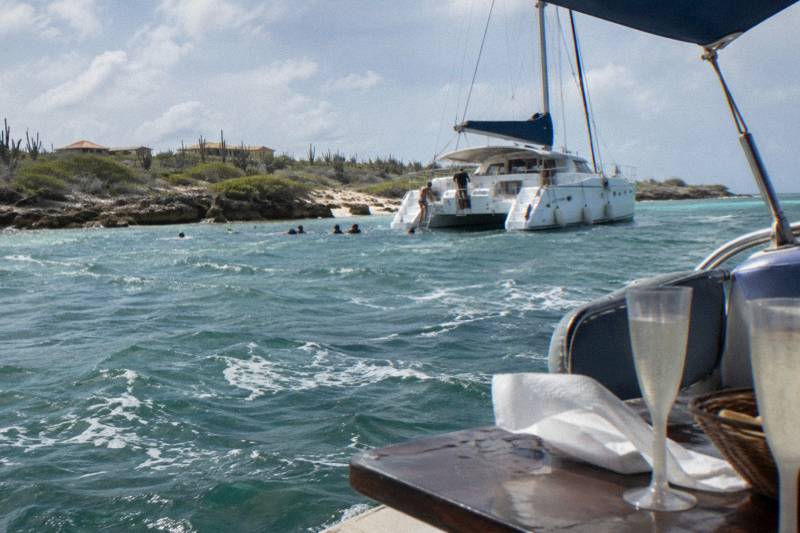
The good news for snorkelers is that the guided trips solve most of these issues at once. The Pelican Sail and Snorkel Experience from Pelican Pier includes snorkel gear and instruction with an open bar, from $67 per person, and crew who know the protected bays; the glass bottom boat run by Malmok Charters visits Antilla, Boca Catalina and Tres Trapi in a small group of up to 10 guests; and the open air bus tour to Mangel Halto and Baby Beach includes hotel pickup so you are not guessing which coast is calm that day. The cautions worth knowing are practical ones: local rules, sea conditions, and the small details that shape a day on or under the water.
Four things genuinely deserve attention: sunscreens containing oxybenzone are banned island-wide, feeding or touching marine life is prohibited, shells and coral must stay in nature, and the north and east coasts run windy with rougher water while the west and south coasts stay calm. Beach access is public but governed by shared-use guidelines. None of these are hazards to fear, they are rules to follow.
That is the short list, and it is worth saying what is not on it. This page covers reef protection, sun exposure, beach etiquette and coastal wind because those are the things that actually change how a snorkeling day goes on Aruba. The island's official guidance, published on aruba.com's responsible guest page, is the source for the marine rules below, and the beach guidelines come from the same authority.
For a snorkeler, each caution point maps to a decision. Which sunscreen goes in the bag decides whether you comply with the ban. Which coast you enter decides whether you are swimming in protected water or fighting chop. Whether you book a guided trip or go from shore decides how much of the reef etiquette is managed for you by a crew that briefs guests every day. The sections below take each one in turn, and the tours named here are the ones whose listings state gear, group size and inclusions outright, so you can match a trip to your own caution level.
The Sunscreen Rule: Oxybenzone Is Banned In Aruba
Aruba has banned sunscreens containing oxybenzone, and mineral-based reef-safe sunscreen is what the island advises instead. The rule exists because chemical filters wash off snorkelers and settle onto coral. Packing a mineral sunscreen before you fly is one way to arrive with a compliant product already in your bag.
The ban names oxybenzone specifically, and that is the only ingredient this page will name, because that is what the official guidance states. What it means in practice: check the active ingredients on your sunscreen tube before it goes in your carry-on. If the label lists oxybenzone, leave it home and buy a mineral, zinc or titanium based product instead. Reef-safe mineral sunscreen is widely available online and in pharmacies, but arriving with it removes the last-minute scramble.
Sun itself is the other half of this caution point, and Aruba's location in the Dutch Caribbean makes it a real one. The tradewinds that keep the island comfortable also mask how strong the sun is: you do not feel the burn building while you are floating face-down over a reef for an hour. Rash guards, hats between stops, and reapplying mineral sunscreen on dry skin are the standard precautions. A crew-run trip helps here too, since boats offer shade between snorkel stops.
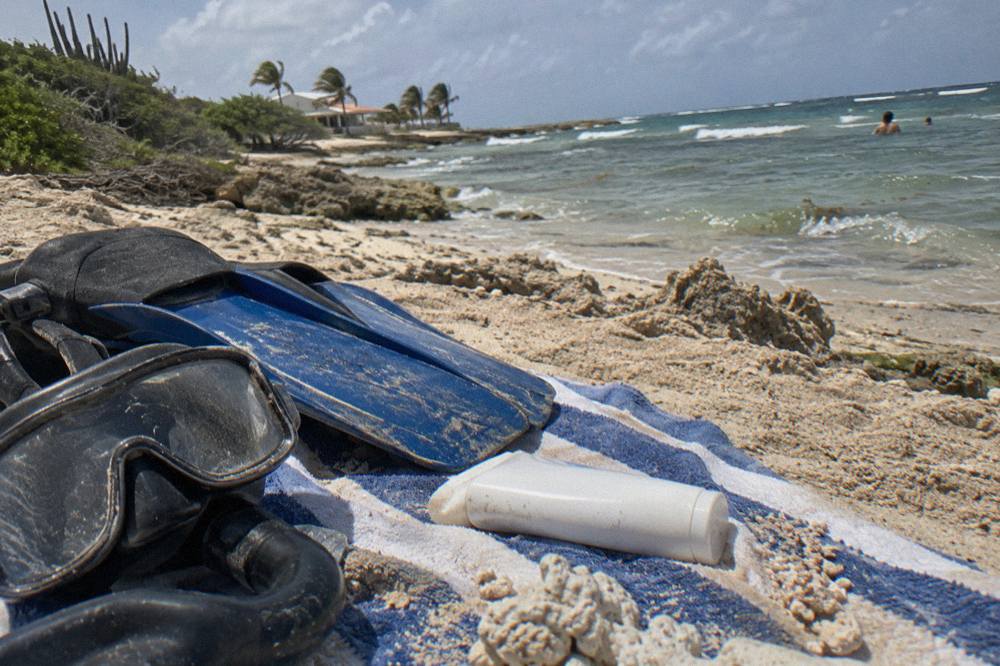
Snorkel gear comes with most trips here, though bringing your own sunscreen is a smart backup. The Octopus Premium Catamaran Afternoon Sail, from $74.99 per person with an open cocktail bar and lunch, takes up to 34 guests to Malmok, Boca Catalina and the Antilla wreck; the Red Sail Half-Day with Caribbean Lunch, from $107 per person, carries up to 75 guests on a luxury catamaran. Both give you shaded deck time between three reef stops, which is when sunscreen actually gets reapplied. For the full picture on products and the rule itself, the site's reef-safe sunscreen guide goes deeper than this page does.
Do Not Feed, Touch Or Collect: The Marine Life Rules
Aruba's rules for the water are simple and strictly stated: do not feed fish, turtles or seabirds, because bread is not part of their diet; do not touch, chase or pick up marine life including starfish; and leave sea shells, sand and coral in nature. Snorkelers are guests on the reef, and any well-run guided trip should cover these rules before anyone gets in the water.
Feeding is the rule most often broken by accident, usually by well-meaning visitors tossing bread to fish near shore. The official guidance is blunt about it: bread is not part of a reef fish's diet, and fed fish stop doing their job on the reef. The same page asks visitors not to touch marine life, which includes the temptation to pick up a starfish for a photo, and to leave shells and coral exactly where they lie. Leave shells where you find them, and keep hands and fins off the coral.
Turtles deserve a specific mention: several tours are built entirely around swimming with them, including a turtle snorkeling experience at Tres Trapi. The rules also ask snorkelers not to feed or touch marine life and to leave shells, sand and coral in place. Never chase, corner or reach for a turtle; keep your distance and let it surface on its own terms rather than closing in for a better look. Sightings are never guaranteed on any trip, and no honest listing promises them.
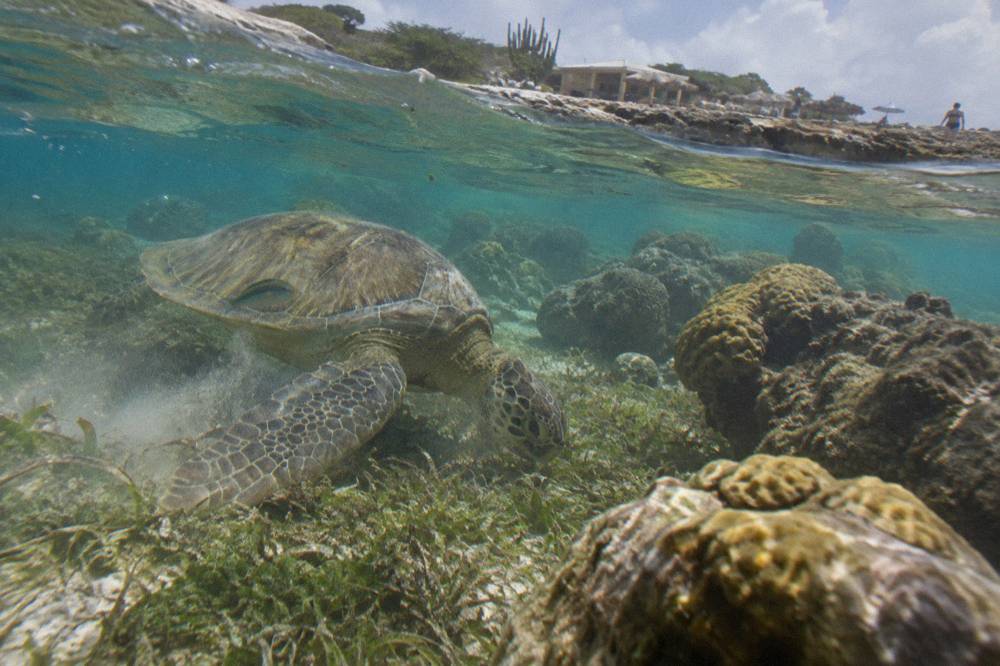
Guided turtle trips handle this etiquette for you. The Banana Adventure Catamaran, from $65 per person with hotel pickup and lunch, lists Antilla and Tres Trapi as stops in a group of up to 36 guests. The private Turtle Snorkeling Tour by Underdog Divers, from $95 per person with a 4.9 rating from 761 reviews, runs just 1 hour 30 minutes with a private guide at Tres Trapi. For shore-based options and the full turtle brief, see snorkeling with sea turtles in Aruba.
The Iconic Aruba Sail and Snorkel Experience, the Pelican Aruba cruise this site features alongside this article, suits visitors who want the local rules left to professionals: the crew takes care of the sailing, the trip lasts 2 hours 30 minutes, and cancellation is free if plans change. Check availability if that format suits your group.
Beach Access Guidelines And Hotel Palapas
Aruba's beaches are public and open to everyone, but temporary guidelines introduced while the Beach Policy is updated say hotel palapas and loungers that are set up and assigned count as in use, and leasehold areas are for hotel guests only. The sand, the swimming and finding your own spot remain open to all. More than twenty public beaches ring the island with no entry fee.
This is the caution point most visitors do not see coming. You walk from a public stretch of sand toward the water and suddenly you are among rows of thatched palapas bearing hotel tags. The guidelines, announced by the Department of Infrastructure and Planning and published on aruba.com, resolve it plainly: a palapa or lounger that is set up and assigned belongs to a hotel guest, leasehold areas are for guests of that hotel, and everything else, the beach itself, the swimming, your own towel on open sand, is public. Nobody is going to move you off the sand.
For snorkelers the practical version is this: Boca Catalina, Arashi Beach and Mangel Halto all offer shore snorkeling with reefs close to the beach, and no entry fee applies at any of them, but you bring your own gear and your own shade. There is no verified information on gear rental prices or lifeguards at these spots, so plan as if there are neither. Baby Beach on the southeast tip is described by the tourism authority as a shallow, lagoon-style bay ideal for kids and beginner snorkelers; Mangel Halto is the quiet one, surrounded by mangroves. Everything else covered here is indexed on Aruba Snorkeling Tours.
Booking a boat trip sidesteps the whole palapa question, since you board from a pier rather than claiming beach furniture. It is one of the least expensive ways to reach the calm south coast without renting a car.
Wind, Waves And Which Coast To Snorkel
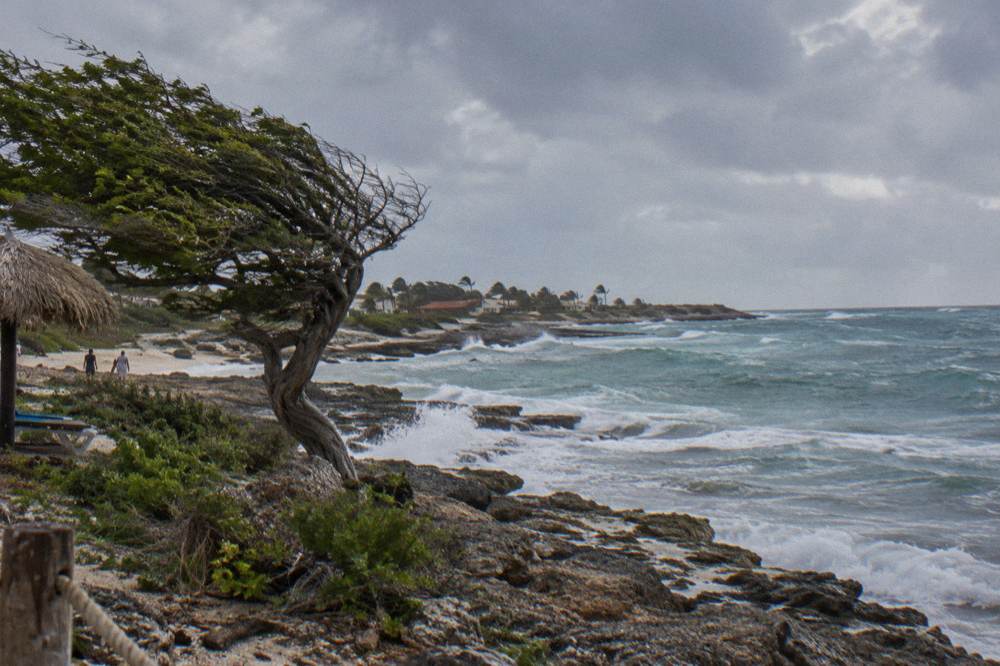
Aruba's steady tradewinds hit the north and east coasts hardest, where beaches face open sea with stronger wind and rougher water; the west and south coasts are calm and protected, which is where the snorkeling bays sit. Monthly mean wind speeds range from 5.8 to 8.7 meters per second across the year, strongest in June. The rough side is for views, not for casual swimming.
The wind numbers come from the airport's own long-term climate records, and they tell a clear story: June averages 8.7 meters per second, the yearly peak, while October and November drop to 5.8, the calm. That constant breeze is why Aruba feels cooler than its latitude suggests, and it is also why the island's shape matters so much for snorkeling. Baby Beach, Mangel Halto, Boca Catalina and Arashi are the spots where you can snorkel straight from the beach. The east and north coasts face open sea with stronger wind, so inexperienced shore snorkelers should stick to calm bays.
Before any boat day, the Aruba meteorological service publishes a marine forecast showing wind direction and speed in knots, wave height by coast, and shower chances; it is the page a careful skipper checks each morning, and a careful visitor can check it too. Weather can still change, including in the June to November hurricane season, even though the island sits outside the belt and has taken no direct hit since 1851. No trip is guaranteed to sail on any given day, and that is normal.
Malmok Charters runs a 1 hour 30 minute trip from the Island Cabana hut at Malmok to Antilla, Boca Catalina and Tres Trapi, on the sheltered west side, for up to 10 guests at from $60 per person with a 5.0 rating from 47 reviews. It keeps you on the calm coast, in a small group, with a captain who reads the conditions daily. The glass bottom and non-swimmer options guide covers this format in full.
Which Snorkel Trips Suit A Caution-Minded Visitor?
The trips that best match a careful approach are small-group or crew-led outings on the protected coasts: the glass bottom boat from Malmok for up to 10 guests, the Nautilus beach day capped at 8, and the Pelican sail with included instruction for up to 60. Each one supplies gear, states its stops, and lists free cancellation, so the reef rules and the wind question are handled by the operator rather than by you alone.
Choosing among them is mostly a question of group size and format. The Nautilus Dive Center Mangel Halto and Baby Beach tour, from $115 per person with hotel pickup and a 4.6 rating from 76 reviews, caps the group at 8, the smallest beach-hop option covered here. The Flagship morning schooner sail, from $59 per person for 3 hours with a meal and open bar, is a new listing with only a handful of reviews so far, which is worth knowing rather than a reason to skip it. The Delphi Watersports catamaran from the beach in front of the Hyatt Regency, from $69 per person, takes up to 45 guests to Antilla and Boca Catalina with a picnic lunch.
| Trip | Operator | Price basis | Group size | Coast |
|---|---|---|---|---|
| Glass Bottom Boat, 3 sites | Malmok Charters | from $60 per person | up to 10 | West (Malmok) |
| Mangel Halto and Baby Beach, 8 max | Nautilus Dive Center | from $115 per person | up to 8 | South |
| Mangel Halto and Baby Beach by bus | El Tours & Transfers | from $57 per person | up to 45 | South |
| Pelican Sail and Snorkel | Pelican Aruba | from $67 per person | up to 60 | West (Palm Beach) |
A few closing habits serve every one of these trips. Drink water before and between stops, since sun and wind dehydrate you faster than the heat suggests. Keep your distance from wildlife and let the crew brief the rules at each stop. Check the marine forecast the morning of your trip, and check your ship's all-aboard time if you are a cruise passenger, since several wreck trips run half a day or more and no operator can promise a schedule fits your ship. Ask the operator directly about pregnancy restrictions or mobility accommodations, because the listings covered here do not state them.
There is also one fee worth knowing at the airport stage: visitors arriving by air pay a $20 Sustainability Fee through the ED Card, with residents, children under 8 and cruise passengers exempt. It is paid before you land, not on the beach, and it is the only visitor fee this island story needs.
The honest summary of what to beware of in Aruba is that the list is short, published, and easy to follow. Pack mineral sunscreen, respect the reef and its residents, share the beach, and swim on the calm side. Do that, and the island's water is about as welcoming as Caribbean snorkeling gets.
Common Questions About What To Beware Of In Aruba
What To Beware Of In Aruba?
Sunscreens containing oxybenzone are banned, feeding or touching marine life is prohibited, shells and coral must stay in nature, hotel palapas and leasehold areas are for hotel guests, and the windy north and east coasts are rough for swimming while the west and south coasts are calm and protected.
Is Reef-Safe Sunscreen Really Required In Aruba?
Yes. Aruba has banned sunscreens containing oxybenzone, and mineral-based reef-safe sunscreen is what the island advises. Check the active ingredients on your tube before you pack, since finding the right product on arrival can be inconvenient.
Can I Touch Sea Turtles While Snorkeling In Aruba?
No. The rules state do not feed, touch or pick up marine life, including turtles and starfish, and avoid stepping on seagrass, coral or mangroves. Keep your distance and let turtles surface on their own; no tour can guarantee a sighting.
Are Aruba's Beaches Private Or Public?
The beaches are public and open to everyone, with no entry fee at the shore snorkeling spots. Temporary guidelines say hotel palapas and loungers that are set up and assigned count as in use, and leasehold areas are for hotel guests, but the sand, the swimming and your own spot remain open.
Which Side Of Aruba Is Best For Snorkeling?
The west and south coasts. Boca Catalina, Arashi Beach, Mangel Halto and Baby Beach all sit on the protected side, with reefs close to shore. The north and east coasts face open sea with stronger wind and rougher water.
Do I Need A Guide To Follow The Reef Rules?
No, but it helps. Every guided trip covered here includes gear, a crew briefing on the stops, and, on the listings that state it, free cancellation. The Pelican sail from Palm Beach, the glass bottom boat from Malmok and the open air bus to Baby Beach are all formats where the operator manages the details for you.